There’s a specific kind of frustration that hits when you’re standing on a balcony the size of a parking space, holding a tray of seedlings, wondering where on earth you’re going to put them.
That was me, about two and a half years ago. I had a corner balcony — maybe 40 square feet on a generous day — and a completely unrealistic list of things I wanted to grow. Tomatoes, herbs, lettuce, a couple of pepper plants, and somehow also flowers because I wanted it to look nice for, you know, living.
My first season was honestly a disaster of overcrowding. Plants competing for light, roots tangling, airflow blocked. Nothing thrived. Everything just sort of… survived.
But here’s the thing — I didn’t have less space the second year. I just used it smarter. And the difference was night and day. Same balcony, same budget, significantly more growing happening.
These are the eight secrets that made that shift happen.
1. Think in Layers, Not Just Floor Space
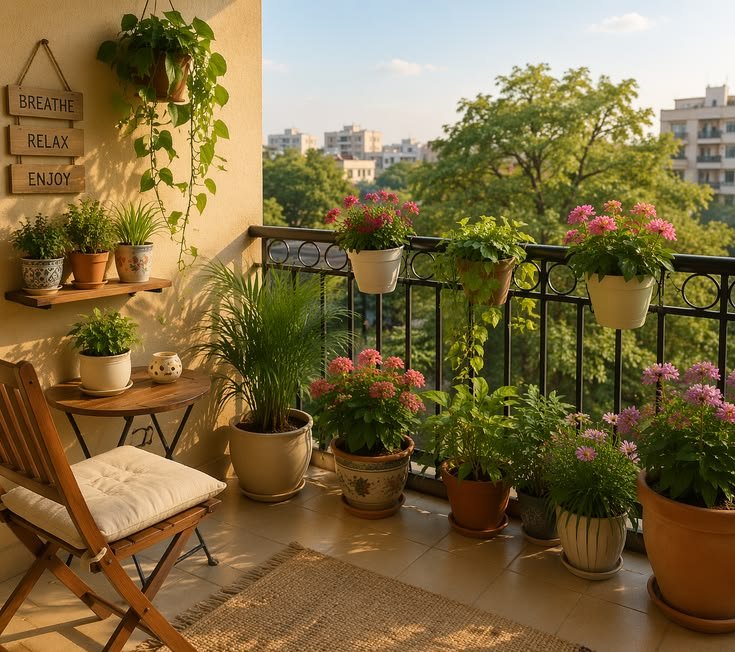
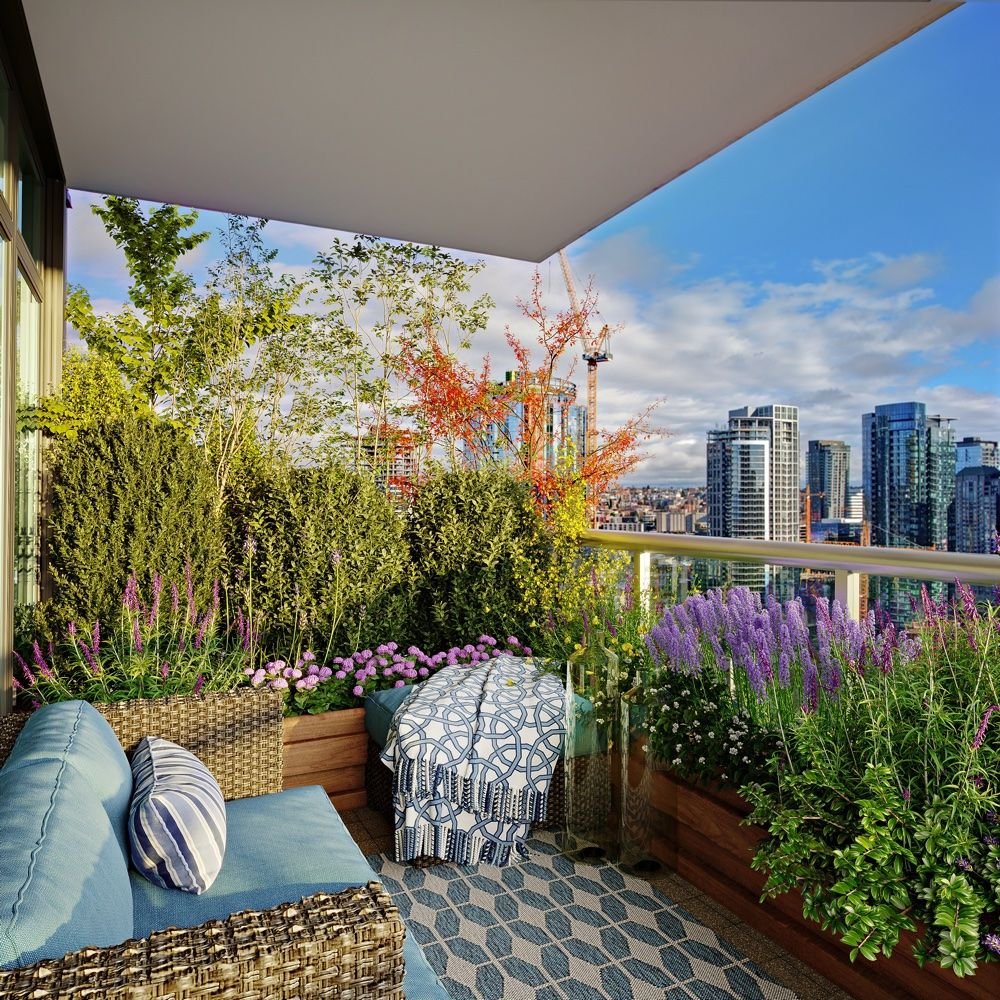
The biggest mindset shift I made was stopping to think of my balcony as floor space and starting to think of it as volume. You’ve got floor space, sure. But you also have wall space, railing space, overhead space, and the vertical column rising from every container.
Once I started stacking those layers, the balcony essentially tripled in productive growing area.
Here’s roughly how I broke it down:
Layer breakdown for a small balcony or apartment space:
| Layer | What Goes Here | Examples |
|---|---|---|
| Floor level | Large containers, grow bags | Tomatoes, peppers, dwarf fruit trees |
| Mid-level shelving | Medium pots | Herbs, lettuce, strawberries |
| Railing planters | Hanging or clip-on boxes | Trailing herbs, flowers, greens |
| Wall-mounted | Pocket planters, pegboards | Succulents, small herbs, air plants |
| Overhead | Hanging baskets | Cherry tomatoes, ferns, pothos |
I picked up a basic three-tier metal shelf from a home goods store for about $25. That one shelf went from occupying floor space to holding twelve pots where before I had room for maybe four. It changed everything almost immediately.
The key is making sure each layer still gets adequate light. Taller plants at the back, shorter at the front. Shade-tolerant plants (mint, parsley, ferns) can live on lower or shadier shelves. Sun-hungry ones (tomatoes, basil, peppers) need prime real estate at the top or in your sunniest spot.
2. Choose Compact Varieties — This Is Non-Negotiable
I wasted an entire season trying to grow a standard Roma tomato plant in a container on a small balcony. It grew enormous, needed constant staking, took over the corner, and produced maybe 15 tomatoes. The whole plant was basically a traffic cone of ambition.
Dwarf and compact varieties exist for exactly this situation, and once I switched, I never looked back.
For tomatoes, I now grow Tumbling Tom or Tiny Tim — both bred specifically for containers, both genuinely productive. For peppers, Mini Bell varieties. For cucumbers, Bush Pickle types that stay compact instead of vining endlessly.
The logic is simple: a compact plant puts its energy into fruit, not into sending runners three feet in every direction. In a small space, that’s exactly the trade-off you want.
My current compact variety shortlist:
- Tomatoes: Tumbling Tom, Tiny Tim, Patio Princess
- Cucumbers: Bush Pickle, Spacemaster
- Zucchini: Patio Star, Bush Baby (yes, zucchini in a container is possible)
- Beans: Contender Bush Bean, Mascotte
- Strawberries: Alpine varieties, Albion
Check seed packets or plant labels for terms like “determinate,” “bush type,” “compact,” or “dwarf.” Those are your friends in a small space.
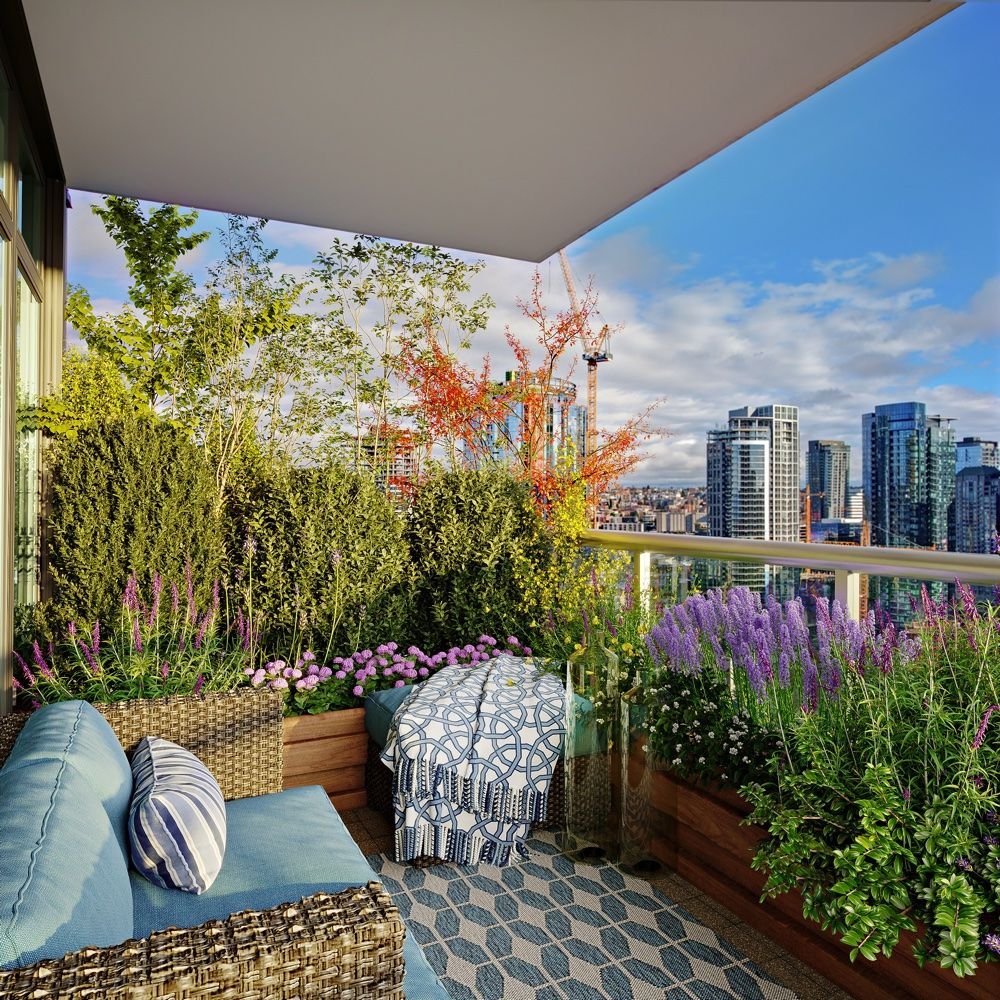
3. Succession Planting Fills Gaps Without More Space
This one took me an embarrassingly long time to figure out, and it genuinely doubled my output without adding a single pot.
Succession planting just means you don’t plant everything at once. Instead of sowing all your lettuce seeds in week one, you sow a small batch every two to three weeks. When the first batch is harvested and the pot empties, the next batch is already halfway grown in another small container, ready to move into that slot.
It means the same physical space produces continuously through the season instead of giving you a massive glut all at once and then sitting empty.
I use a simple notes app on my phone to track planting dates. Nothing fancy — just a note that says “Lettuce batch 1 — seeded March 12” and so on. It keeps the rotation organized without needing a spreadsheet or garden planning software (though the app Seedtime or even just a Google Calendar reminder system works well if you want something more structured).
Fast-turnaround crops that work beautifully for succession planting in apartments:
- Lettuce (30–45 days to harvest)
- Radishes (25–30 days)
- Spinach (40–50 days)
- Microgreens (7–14 days — yes, really)
- Arugula (35–40 days)
Microgreens especially are worth mentioning. They grow in shallow trays on a windowsill, take under two weeks from seed to harvest, and you can grow multiple trays in rotation for a near-constant supply of fresh greens. I grow them in old takeout containers with drainage holes punched in the bottom. Zero cost for containers, huge return on space.
If you’re still figuring out which plants to prioritize for your space, 10 Smart Apartment Garden Guide Vegetable Picks for Small Spaces has a really solid breakdown of what actually performs well in limited space.
4. Self-Watering Containers Changed My Yield (And My Stress Level)
Inconsistent watering is one of the top reasons container plants underperform. Small pots dry out fast. In summer, a pot in direct sun can go from moist to bone-dry in less than 24 hours. If you’re working, traveling, or just forget (guilty), plants stress out, growth stalls, and fruiting suffers.
Self-watering containers — the kind with a water reservoir built into the base — solved this almost completely for me.
The plant draws water up through the soil via capillary action as it needs it. You fill the reservoir every few days instead of watering every single day. It’s more consistent, wastes less water, and keeps roots in the ideal moisture range instead of the wet-dry-wet-dry cycle that container plants hate.
I bought a set of four self-watering planters from a brand called Lechuza that I’ve used for two full seasons — still going strong. There are also cheaper versions from garden centers or Amazon that work just fine. Or if you want to DIY, the wicking bed method using a plastic storage container and some PVC pipe is surprisingly effective and costs almost nothing.
For plants that particularly benefited from the switch: tomatoes, peppers, and lettuce. All three are notorious for reacting badly to inconsistent moisture (tomatoes get blossom end rot, lettuce bolts, peppers drop flowers).
5. Companion Planting = More Yield From the Same Pot
I used to give every plant its own pot, its own dedicated space. Then I learned about companion planting and realized I’d been massively underutilizing my containers.
Companion planting is just growing two compatible plants together in the same container or close proximity. The classic example is the “Three Sisters” — corn, beans, and squash — but for apartments, the pairings that actually work in containers are more practical.
Container-friendly companion planting pairings:
| Primary Plant | Good Companion | Why It Works |
|---|---|---|
| Tomatoes | Basil | Basil may repel aphids; both love heat |
| Peppers | Parsley | Parsley attracts beneficial insects |
| Lettuce | Chives | Chives deter aphids naturally |
| Strawberries | Thyme | Thyme repels worms and pests |
| Cucumbers | Dill | Dill attracts helpful predatory insects |
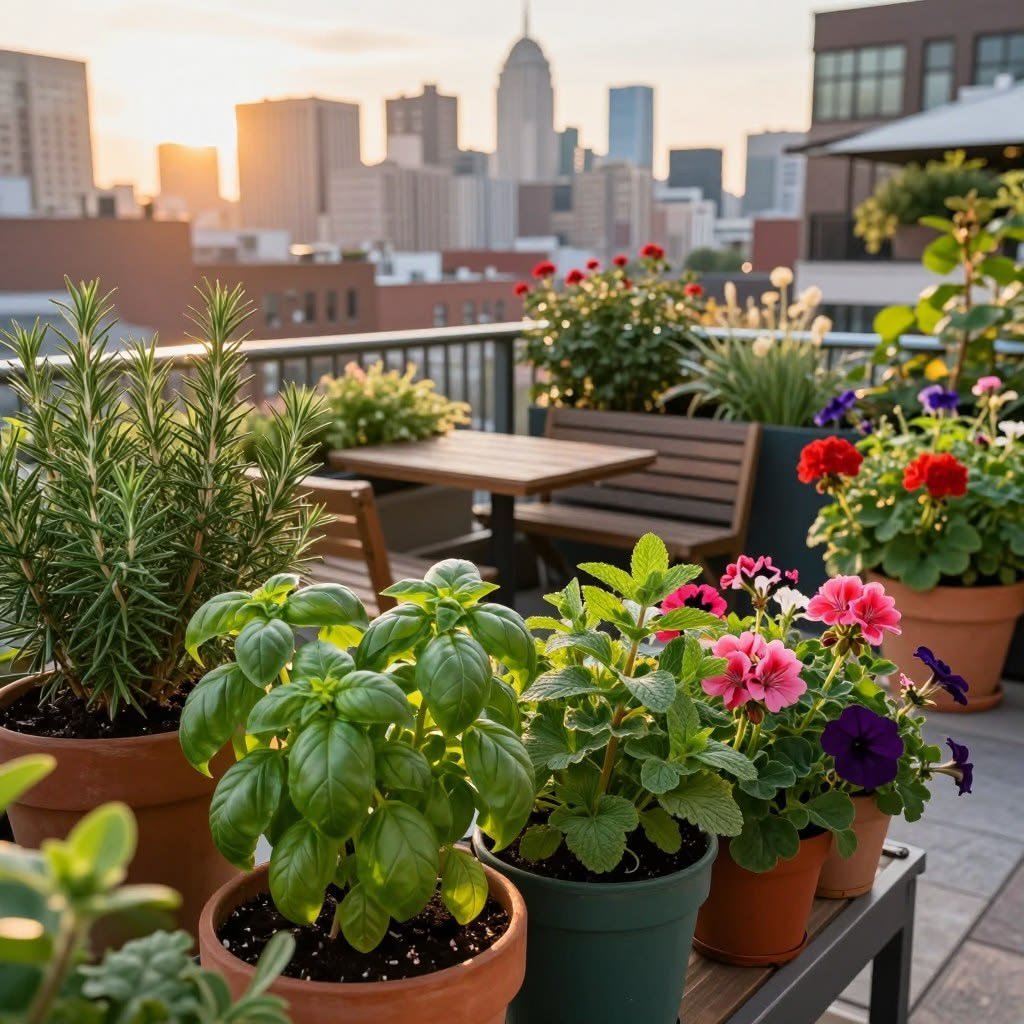
I grow basil and tomatoes in the same large container every season now. The basil fills in around the base of the tomato plant, using soil that would otherwise just sit there, while also acting as a mild pest deterrent. Two productive plants, one pot.
The key is making sure companions don’t compete too aggressively for nutrients or root space. Keep the primary crop dominant (bigger pot, better positioning) and the companion as a supporting cast member.
6. The Right Potting Mix Does More Work Than You Think
For my first year, I used whatever bagged potting soil was cheapest at the hardware store. I genuinely didn’t think it mattered much. Plants grow in dirt, right? How different can it be?
Very different. It turns out the potting mix is essentially the entire environment your container plant lives in. It affects drainage, aeration, nutrient availability, root development, and how often you need to water.
Heavy, dense soil in a container is one of the most common reasons plants underperform on balconies. It stays waterlogged, roots can’t breathe, and you get slow or stunted growth even when you’re doing everything else right.
My current mix recipe for containers:
- 60% quality potting mix (I use Miracle-Gro or a local equivalent)
- 20% perlite (improves drainage and aeration dramatically)
- 10% worm castings (gentle nutrition and soil biology)
- 10% coco coir (helps retain just enough moisture without waterlogging)
This sounds complicated but it’s just four ingredients mixed in a bucket. I make a big batch at the start of each season and use it for everything. The difference in root development and plant growth compared to straight bagged potting soil is genuinely significant.
Perlite especially is underrated. It’s those little white particles you sometimes see in potting mix. Adding extra makes a noticeable difference in how well containers drain and how healthy roots stay. A large bag costs around $8–10 and lasts a full season.
This pairs really well with what I covered earlier about fertilizing — good soil structure is what allows nutrients to actually reach your plants effectively. If you want to go deeper on the soil side of things, 6 Powerful Apartment Garden Guide Soil Tips for Better Growth covers this in much more detail.
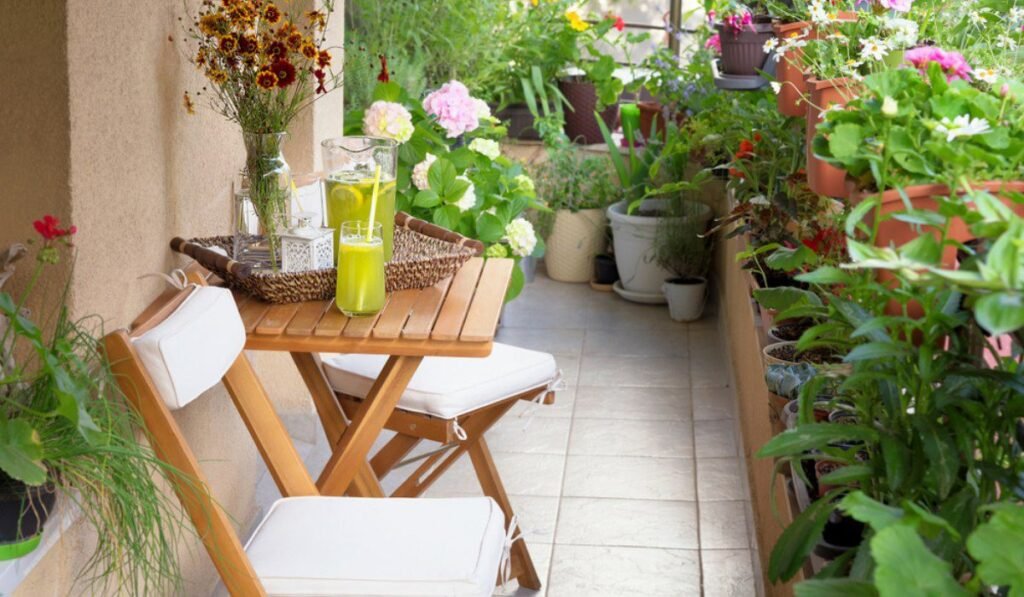
7. Light Optimization Is the Secret Multiplier Nobody Talks About
You can do everything else right and still get disappointing results if your plants aren’t getting enough light. And in apartments, light is almost always the limiting factor.
Most vegetables need 6–8 hours of direct sunlight to really thrive. Herbs are slightly more forgiving (4–6 hours for most). If your space gets less than that, you have two options: choose shade-tolerant crops, or supplement with grow lights.
I did both.
For my windowsill and interior spaces, I use a Barrina T5 grow light strip — it’s cheap (around $30 for a set of four), low-profile, and runs on a simple timer outlet so it’s fully automatic. My indoor herb shelf went from scraggly to genuinely lush within about three weeks of adding consistent light.
For outdoor balcony spots that are partially shaded, I shifted to shade-tolerant crops:
Crops by light requirement:
| Light Level | Suitable Crops |
|---|---|
| Full sun (6–8+ hrs) | Tomatoes, peppers, cucumbers, basil |
| Partial sun (4–6 hrs) | Lettuce, spinach, parsley, mint |
| Low light (2–4 hrs) | Chives, kale, ferns, peace lily |
One thing I wish I’d done earlier: actually track your light. I used a free app called Light Meter on my phone to measure actual lux values in different spots on my balcony at different times of day. It took about 10 minutes and completely changed how I positioned my plants. What I thought was a “sunny corner” was actually borderline partial shade because of a neighboring building’s shadow in the afternoon.
Knowing your actual light conditions lets you stop guessing and start making decisions based on what’s really happening.
8. Grow Up — Vertical Structures Are the Ultimate Space Hack
If I had to pick just one thing that made the biggest physical difference to how much I grow in a small space, it would be vertical growing structures.
A simple trellis against a wall or railing turns a 1-square-foot floor footprint into 6–8 square feet of productive growing surface. Climbing plants — beans, cucumbers, small pumpkins, even some tomato varieties — grow up instead of out, which is exactly what you need when out isn’t an option.
I built a basic trellis from bamboo canes and garden twine for about $4. It leans against my balcony wall and supports two cucumber plants that between them produced more cucumbers last summer than I could realistically eat. From a pot that takes up maybe 1.5 square feet of floor space.
Beyond trellises, other vertical options that work well in apartments:
- Stackable strawberry planters — five tiers of strawberries in the footprint of one pot
- Vertical wall pockets (fabric or plastic) — great for herbs and greens along a wall or fence
- Pegboard with mounted pots — customizable, looks great, very Instagram-friendly
- Hanging grow bags — mount on a curtain rod or ceiling hook for herbs or trailing plants
The one thing to watch with vertical growing is wind exposure. Higher up on a balcony means more wind, which can stress plants and dry out soil faster. I use slightly heavier containers for anything tall to prevent tipping, and I added a windbreak using a simple bamboo privacy screen along the balcony railing that also turned out to double as a trellis support. Two problems, one solution.
For more ideas on using vertical space creatively, 7 Easy Apartment Garden Guide Vertical Gardening Ideas That Save Space is worth a look — there are some genuinely clever setups in there.
Mistakes That Are Worth Avoiding
Since we’ve covered what works, here’s a quick honest list of what I did wrong before I figured any of this out:
Buying standard-sized plants for container gardening. A full-size zucchini plant does not belong on a balcony. Ever. Learn from my suffering.
Watering on a schedule instead of checking the soil. Sticking your finger an inch into the soil takes two seconds and tells you far more than any calendar reminder. Different plants, different pot sizes, different weather — they all need water at different rates.
Ignoring drainage. Pots without drainage holes, or pots sitting in saucers that never get emptied, lead to root rot. Every. Single. Time. Drill holes if you need to. Elevate pots so saucers drain properly.
Trying to grow too many things at once as a beginner. Start with 3–4 plants that you really want to succeed with. Give them your full attention. Once you understand their needs, expand. Spreading yourself across 20 plants when you’re learning means 20 mediocre results instead of 4 great ones.
Not labeling anything. My first season, I had 12 unlabeled seedlings and genuinely could not tell which were tomatoes and which were peppers for about six weeks. Popsicle sticks and a permanent marker. That’s all it takes.
The Bottom Line
Small space gardening isn’t about settling for less. It’s about being intentional with every square foot — and once you start thinking that way, it becomes genuinely satisfying rather than frustrating.
Layers over floor space. Compact varieties. Succession planting. Consistent moisture. Smart companions. Good soil. Real light data. Vertical structures. Eight principles, all connected, all multiplying each other’s effect.
You don’t need to implement all eight at once. Pick the two or three that match your current setup and start there. Improvement compounds quickly when you get the fundamentals right.
Also worth reading: 7 Secret Apartment Garden Guide Growth Hacks That Actually Work — a great companion piece to everything covered here, with some additional strategies that complement small-space growing beautifully.