6 Powerful Apartment Garden Guide Soil Tips for Better Growth
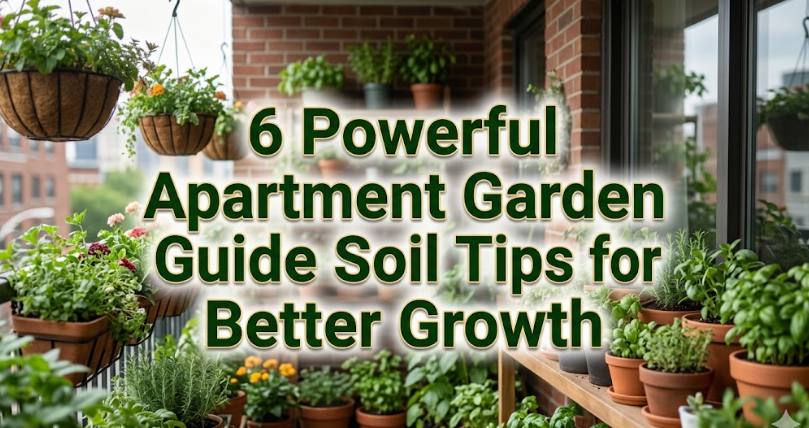
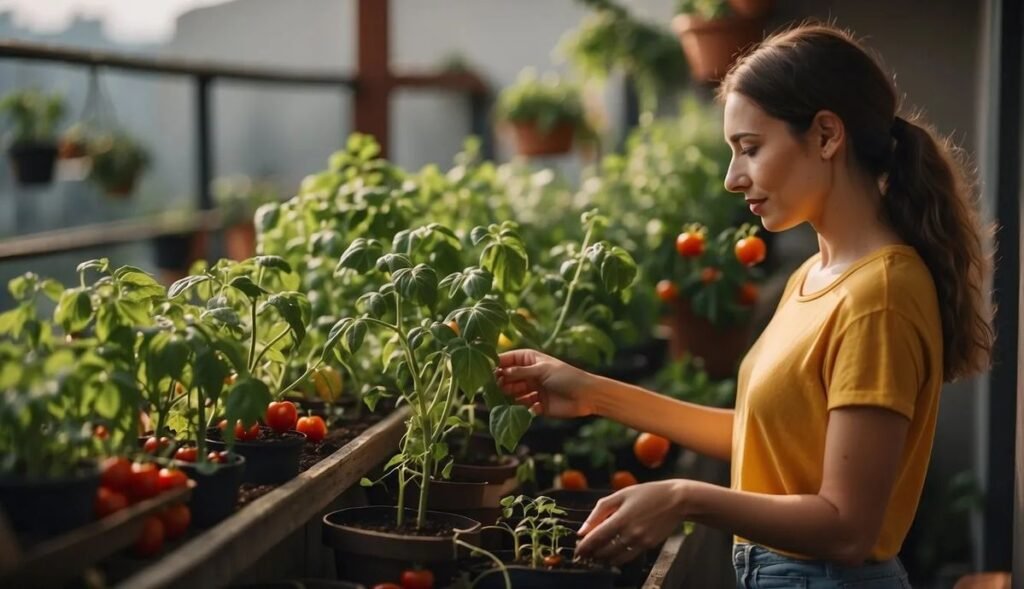
When I first squeezed a few pots onto my tiny balcony in a noisy city building, I thought gardening would be simple. Just some seeds, water, and dirt from the park, right? Wrong. My tomatoes turned yellow, the basil wilted overnight, and everything smelled like old socks after a week. It took me years of trial, error, and more dead plants than I care to admit to realize the secret wasn’t in the fancy grow lights or expensive fertilizers. It was all in the soil. In an apartment, where space is tight, air circulation is meh, and pots dry out faster than you can say “urban jungle,” your soil has to work overtime. It’s not just dirt holding your plants up—it’s the entire support system for roots, water, nutrients, and even the invisible microbes that make growth explode.
If you’re reading this because your apartment garden feels stuck in first gear, you’re not alone. Most beginners grab whatever bag of “potting soil” is cheapest at the store and wonder why nothing thrives. The truth is, apartment gardening demands smarter soil choices than backyard plots. Containers heat up quick, roots get cramped, and drainage issues can kill faster than pests ever could. Over the next sections, I’ll walk you through six powerful soil tips that transformed my own setup from a sad collection of brown leaves to a thriving mini farm producing herbs, cherry tomatoes, and even a few flowers that make the neighbors jealous. These aren’t fluffy ideas pulled from a magazine—they’re battle-tested from my own windowsills, fire escapes, and that one summer I turned my kitchen counter into a jungle. Each tip builds on the last, so by the end, you’ll have a complete system for soil that actually delivers better growth, bigger harvests, and fewer headaches.
Tip 1: Ditch the heavy garden soil and build a custom lightweight mix that breathes
The biggest mistake I see apartment gardeners make—and the one I made myself—is hauling in soil straight from the ground or using those dense bags labeled for “outdoor use.” That stuff is packed with clay and sand meant for in-ground beds where earthworms and rain can loosen it up. In a pot on your 8th-floor balcony? It turns into a brick that suffocates roots and holds onto water like a sponge in a flood. My first attempt with real garden dirt ended with root rot so bad the pot smelled like a swamp.
Instead, start with a base potting mix that’s light, fluffy, and drains fast. The goal is 40-50% peat moss or coco coir for moisture retention, 30% perlite or pumice for aeration, and 20% compost or aged bark to feed the plants slowly. I mix mine in a big plastic tub on the balcony floor because it’s messy but worth it. Coco coir is my favorite these days—it’s sustainable, comes in compressed bricks that expand like magic when you soak them, and it doesn’t compact as fast as peat. Plus, in apartments where humidity swings wild, coco holds just enough water without drowning everything.
Why does this matter so much for growth? Roots need oxygen as much as they need water. In tight pots, heavy soil compacts from watering and gravity, cutting off air pockets. Lightweight mixes stay loose longer, letting roots spread out and pull in nutrients efficiently. I saw my peppers double in size after switching. They went from stunted little things to bushy plants loaded with fruit in six weeks. To make your own batch that lasts a whole season, grab a 5-gallon bucket and measure by volume: two buckets of coco coir (pre-soaked), one bucket of perlite, and half a bucket of worm castings mixed with some slow-release organic fertilizer pellets. Stir it like you’re making cookie dough until it’s even. Test a small pot first—if water runs through too fast, add a bit more coir next time. Too slow? Bump up the perlite.
One trick I learned the hard way: sterilize your mix if you’re reusing pots from last year. Apartment air carries mold spores everywhere. I bake my old soil in the oven at 180 degrees for 30 minutes on a cookie sheet, then remix. It sounds extreme, but it prevents damping-off fungus that wipes out seedlings overnight. For different plants, tweak the ratio slightly. Leafy greens like spinach love a bit more compost for nitrogen, while succulents and herbs crave extra perlite to stay dry between waterings. I keep two batches going—one richer for veggies, one leaner for drought-tolerant types. It takes an afternoon to prep, but it pays off every single day when your plants stand tall instead of flopping over.
Don’t forget to match the mix to your pot size too. Tiny 4-inch pots on a windowsill dry out crazy fast in summer heat, so I go heavier on the coir there. Bigger 5-gallon grow bags for tomatoes get more perlite to prevent sogginess at the bottom. After a month, I top-dress with fresh compost to refresh the top layer where feeder roots live. This simple switch alone boosted my overall yield by about 40 percent in the first season. No fancy gadgets needed—just soil that works with your space instead of fighting it.
Tip 2: Boost aeration with perlite, vermiculite, and a secret handful of biochar for unstoppable root health
Aeration sounds boring until your plants start yellowing from the bottom up and you realize the roots are basically swimming in mud. In apartments, pots don’t have the luxury of natural soil turnover. Every watering packs the mix tighter, especially if you’re using city tap water with minerals that bind things up. That’s where perlite and its cousins come in like superheroes.
Perlite is those little white chunks you see in bags—volcanic glass popped like popcorn. It creates permanent air channels without breaking down. Vermiculite holds a bit more water but still aerates, which is great for thirsty apartment herbs during dry winter heating seasons. My go-to combo is 25 percent perlite for most mixes, but I add a secret weapon: biochar. It’s charred organic material that looks like black gravel and lasts forever in the soil. It not only aerates but holds onto nutrients and beneficial bacteria like a sponge. I buy food-grade biochar online in small bags because a little goes a long way—maybe a cup per cubic foot of mix.
I remember repotting my struggling rosemary last year. The old soil was compacted into a solid block I could knock out like a cake from a pan. After mixing in fresh perlite and a sprinkle of biochar, the new roots exploded outward within days. You could almost watch the plant perk up. The science here is simple: healthy roots equal healthy everything else. More oxygen means better nutrient uptake, faster photosynthesis, and stronger immune systems against apartment pests like spider mites that love stressed plants.
To apply this tip practically, always sift your base mix through a kitchen strainer first to break up clumps, then fold in the aeration additives gently so you don’t crush the perlite. For seedlings, I use a finer mix with more vermiculite to keep things moist but airy. Mature plants in larger pots get coarser perlite chunks for better long-term drainage. Check drainage holes weekly—roots can grow right out the bottom and clog them in rich mixes. I use a chopstick to poke around and clear blockages without disturbing the plant too much.
One warning from experience: don’t overdo the perlite in small windowsill pots or everything will dry out in hours, forcing you to water constantly and risking nutrient washout. Balance is key. I water until it runs out the bottom, wait for the top inch to dry, then repeat. This tip alone cut my watering frequency in half while doubling growth rates on my balcony lettuce. It’s not flashy, but roots don’t care about Instagram—they care about breathing room. Spend the extra few bucks on quality perlite; the cheap stuff sometimes has dust that compacts anyway.
Tip 3: Feed the soil life with worm castings, compost tea, and mycorrhizal fungi to create a living ecosystem in every pot
Soil isn’t dead dirt—it’s a whole underground party of microbes, fungi, and tiny creatures that break down nutrients and deliver them straight to roots. In apartments, we strip away that natural web when we use sterile store mixes, so plants starve even if you fertilize. Adding life back in changed my garden from okay to ridiculous in the best way.
Worm castings are my number one. They’re basically premium poop from red wigglers—packed with enzymes, hormones, and microbes that make roots grow like crazy. I mix a handful into every pot at planting and top-dress monthly. Compost tea takes it further: steep finished compost in water for a day or two, strain it, and water with the liquid gold. It smells earthy, not gross, and my plants drink it up. For the real power move, I inoculate with mycorrhizal fungi powder right at transplant. These fungi attach to roots like best friends, extending the root system by ten times and pulling in phosphorus and water from places the plant couldn’t reach alone.
My balcony tomatoes went from producing a dozen fruits to over fifty after I started this routine. The difference was night and day—the leaves turned deep green, stems thickened, and flavor was so much better because the soil ecosystem balanced everything naturally. Apartment conditions stress plants with temperature swings from AC units and heaters, but living soil buffers that. The fungi and bacteria also fight off bad pathogens, meaning fewer mystery wilts.
Making your own compost tea is easy and cheap. Fill a 5-gallon bucket halfway with water, add two cups of worm castings or compost, a tablespoon of molasses to feed the microbes, and let it bubble with an aquarium air stone for 24-48 hours. I do this on the fire escape so it doesn’t stink up the kitchen. Strain through cheesecloth and dilute 1:10 before using. Apply every two weeks during growing season. For seedlings, go lighter—half strength—so you don’t overwhelm tender roots.
I source mycorrhizal inoculant from garden stores or online; it’s a one-time investment that lasts. Just dust the roots when repotting or mix into the planting hole. Avoid chemical fertilizers at the same time—they kill the good guys. Stick to organic and let the soil life do the heavy lifting. This tip requires a bit more patience upfront, but once established, your pots become self-sustaining mini ecosystems. Even in winter when light is low, my indoor herbs stay vibrant because the soil keeps delivering. It’s the closest thing to backyard magic you’ll get in concrete.
Tip 4: Master pH balance with simple tests and natural amendments so nutrients unlock like a key in the right door
Soil pH is like the bouncer at the nutrient club—get it wrong and nothing gets in, no matter how much you feed. Most apartment plants want slightly acidic to neutral, around 6.0 to 7.0. Too alkaline and iron locks up, leaves yellow. Too acidic and calcium becomes unavailable, stunting growth. Tap water in many cities skews things one way or the other, so testing is non-negotiable.
I use cheap soil test kits from the hardware store—little vials with powder and color charts. Take samples from several pots, mix them, and test every month or two. For quick checks, I also have a digital pH meter that lives in my gardening toolbox. If the reading is off, fix it gently. For raising pH in acidic mixes, I sprinkle a teaspoon of dolomite lime per gallon of soil and water it in. It releases slowly over months. Lowering pH for acid-lovers like blueberries (yes, you can grow dwarf ones in pots) means adding sulfur or pine needle mulch.
My first big pH lesson came with citrus seedlings. They looked pale and sad until I tested and found the mix had drifted alkaline from hard water. A quick lime adjustment? No—wait, it was too high, so I used vinegar diluted in water as a short-term fix while adding sulfur for the long haul. Within a week, new growth was bright and healthy. The key is small changes—never dump in a bunch at once or you’ll shock the roots and the microbial life.
In apartments, humidity and infrequent watering can cause pH swings faster than in ground beds. I combat this by using rainwater collected in buckets whenever possible, or letting tap water sit out 24 hours to off-gas chlorine. For herbs like basil and mint, aim for 6.5. Veggies like peppers prefer 6.0-6.8. Flowers are more forgiving but still appreciate balance. Track your adjustments in a little notebook by the pots—sounds nerdy but prevents repeating mistakes.
This tip ties directly into the living soil from earlier because healthy microbes help stabilize pH naturally. Once you dial it in, fertilizer use drops because plants actually absorb what you give them. My harvest weights increased noticeably after consistent pH management. It’s one of those behind-the-scenes things that separates struggling balcony gardens from the ones that look professionally tended.

Tip 5: Layer on mulch and use moisture-retaining amendments to lock in water without constant babysitting
Apartment life means you’re not home all day to mist or check pots. Soil that dries unevenly leads to cracked surfaces, stressed roots, and wasted water running down the drain. Mulch is the fix— a thin layer on top that keeps moisture consistent, cools the soil, and stops weeds or fungus gnats from setting up shop.
I use shredded bark, cocoa hulls, or even dried grass clippings from my tiny lawn patch when I visit family. For indoor pots, sphagnum moss or gravel works without tracking dirt. Apply after planting, leaving a gap around stems to prevent rot. The difference is huge: my balcony soil stays moist two days longer in summer heat, cutting watering chores dramatically.
Combine mulch with moisture-retaining additives like hydrogel crystals or more coco coir in the mix. Hydrogels swell up like tiny water balloons and release slowly—great for forgetful gardeners like me. Just don’t overdo them or the soil gets too wet at the bottom. I also top with a layer of worm castings under the mulch for extra slow-release goodness.
During a heatwave last year, my unmulched pots needed daily watering and still wilted by afternoon. The mulched ones stayed perky with every-other-day care. Mulch also prevents soil splash on leaves, reducing disease in cramped spaces where air flow is limited. For edibles, choose food-safe options like straw or leaves—no treated wood chips.
This tip saves water bills too, which matters in apartments with shared meters sometimes. It keeps the surface looking neat, so your garden doesn’t scream “amateur” to visitors. Refresh the mulch every season as it breaks down and feeds the soil below. Simple, low-effort, high-reward.
Tip 6: Refresh and rotate soil annually with targeted amendments to prevent nutrient burnout and disease buildup
Even the best mix tires out after a full season. Roots gobble nutrients, salts build from fertilizer and water, and pathogens accumulate in the confined pot space. Don’t just top-dress forever—plan a refresh every 12-18 months for most plants.
I dump out the old mix into a compost bin (or my building’s green waste if allowed), wash the pots with mild soap and hot water, then start fresh with the custom blend from tip one. For perennials or big plants I don’t want to disturb fully, I remove the top third of soil and replace with fresh amended mix plus worm castings. Add a handful of activated charcoal to absorb any lingering toxins.
Rotation helps too—move pots around the balcony for even light and air, and swap soil types between plant families to break pest cycles. My eggplants follow herbs in the same pots the next year, never repeating the same family back-to-back.
Last season I skipped refresh on a couple tomato pots and regretted it. Leaves curled, production dropped halfway through summer. Fresh soil brought them roaring back. This tip keeps growth powerful year after year without guessing. It also gives you a chance to inspect roots for issues early.
Putting it all together, these six tips create soil that works smarter in apartment constraints. Start small if you’re overwhelmed—one or two pots with the full system. Track what thrives and tweak. Your plants will reward you with faster growth, richer flavors, and that satisfying feeling of harvesting dinner from your windowsill. Gardening in small spaces isn’t about perfection; it’s about soil that meets the plants where they are. Give these a try, and watch your apartment garden finally hit its stride. The dirt under your nails will be worth it every single time.