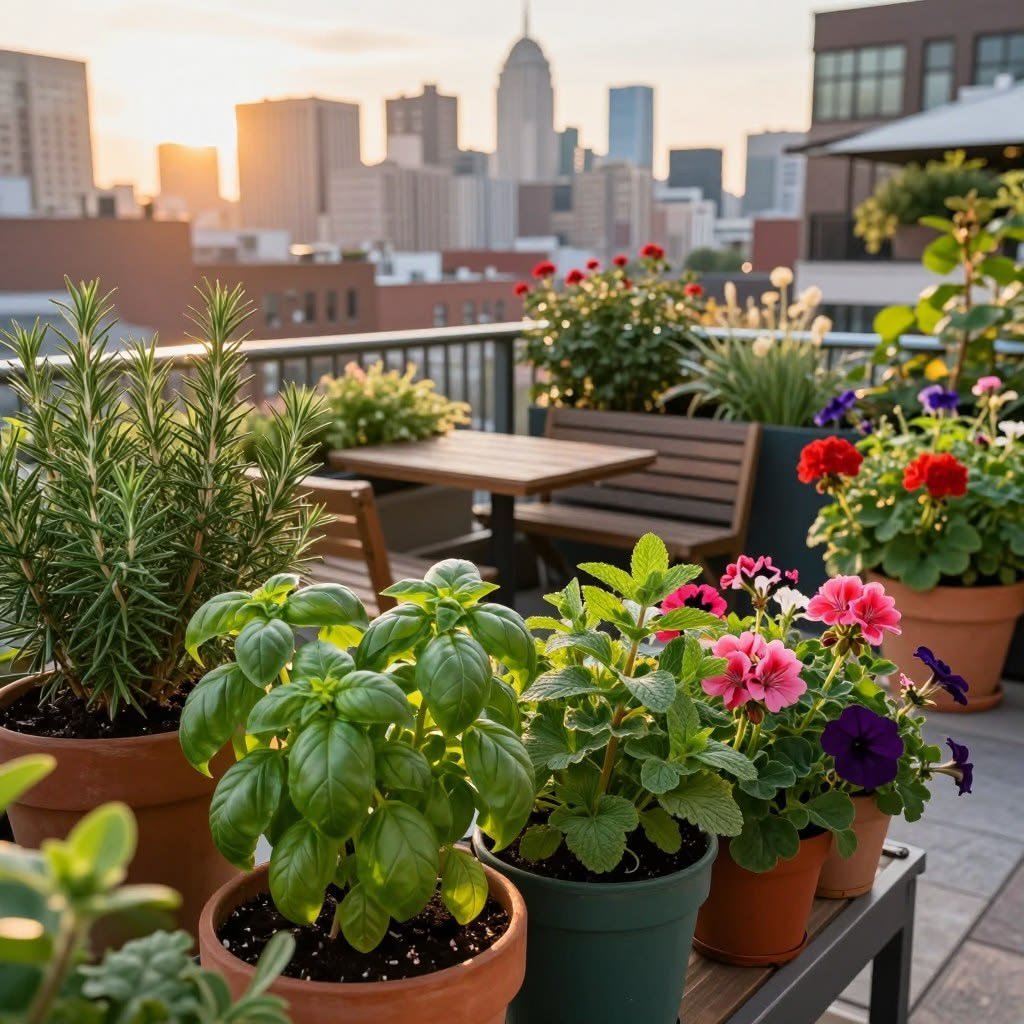
9 Powerful Apartment Garden Guide Lessons From My Biggest Failures
Apartment gardening looks simple from the outside—buy a few pots, plant something green, water regularly, and enjoy the harvest. That’s what I thought too. But reality hit differently. My first attempts were full of mistakes: dying plants, moldy soil, leggy herbs, and more frustration than joy.
What changed everything wasn’t buying better tools or expensive seeds—it was learning from failure. Each mistake taught me something practical, something real, something you won’t always find in polished gardening guides.
This article breaks down 9 powerful lessons from my biggest apartment gardening failures, with practical insights, tables, and useful frameworks to help you avoid the same traps.
Lesson 1: More Sunlight Doesn’t Mean Better Growth
One of my earliest mistakes was assuming that more sunlight = healthier plants. I placed all my plants in the sunniest spot on my balcony.
Within days, leaves started burning. Soil dried too fast. Some plants simply gave up.
What I Learned
Different plants have different sunlight needs. Overexposure can be just as harmful as too little light.
Sunlight Needs Comparison Table
| Plant Type | Ideal Sunlight | Signs of Too Much Sun | Signs of Too Little Sun |
|---|---|---|---|
| Herbs (Mint) | Partial sun | Yellow/burnt leaves | Slow growth |
| Tomatoes | Full sun | Dry soil, curled leaves | Weak stems |
| Lettuce | Partial shade | Bitter taste, bolting | Pale leaves |
| Succulents | Bright light | Scorch marks | Stretching |
Key Takeaway
Observe your space before choosing plants—not the other way around.
Lesson 2: Overwatering Is the Silent Killer
I used to water plants daily—because I thought consistency meant care. Instead, I drowned them.
Roots rotted. Soil smelled. Fungus appeared.
What I Learned
Plants don’t need routine watering—they need smart watering.
Watering Guide Chart
| Soil Condition | Action Needed |
|---|---|
| Wet | Do not water |
| Slightly moist | Wait another day |
| Dry top layer | Water lightly |
| Fully dry | Deep watering needed |
Simple Rule
Stick your finger 1–2 inches into the soil. If it’s moist, don’t water.
Lesson 3: Cheap Pots Can Cost You More
I once bought low-quality plastic pots to save money. They cracked, overheated, and lacked proper drainage.
What I Learned
The container matters as much as the plant.
Pot Material Comparison
| Material | Pros | Cons |
|---|---|---|
| Plastic | Lightweight, cheap | Poor drainage, heats up |
| Clay (Terracotta) | Breathable, natural | Dries quickly |
| Ceramic | Attractive, stable | Expensive, heavy |
| Fabric Grow Bags | Excellent drainage | Short lifespan |
Key Insight
Invest in good pots once—avoid repeated losses.
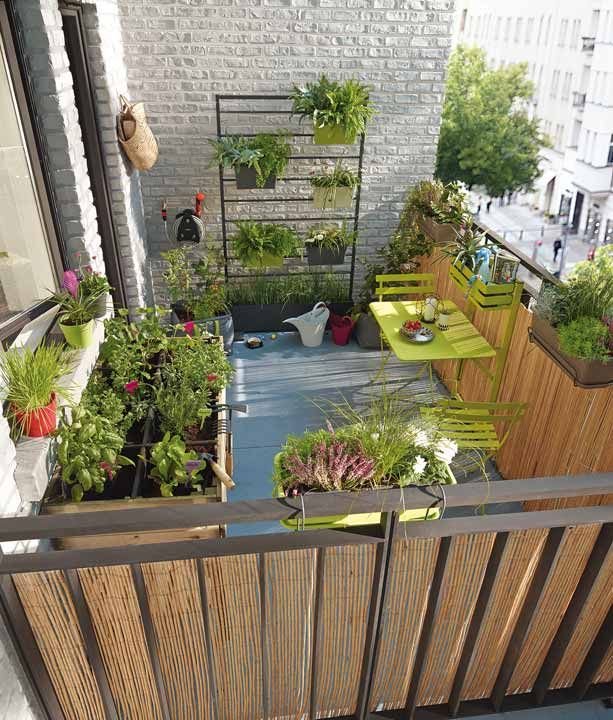
Lesson 4: Ignoring Drainage Is a Big Mistake
At one point, I used decorative pots without drainage holes. They looked great—but my plants didn’t.
Water accumulated at the bottom, suffocating roots.
What I Learned
Drainage isn’t optional—it’s essential.
Ideal Pot Setup
| Layer | Purpose |
|---|---|
| Bottom holes | Water exit |
| Gravel layer | Prevent blockage |
| Soil mix | Nutrient supply |
| Mulch (optional) | Moisture retention |
Quick Fix
If your pot has no holes, drill them or use it as an outer decorative cover.
Lesson 5: Wrong Soil = Guaranteed Failure
I once used garden soil from outside. It compacted, blocked airflow, and brought pests.
Plants struggled to grow.
What I Learned
Apartment gardening requires lightweight, well-draining soil.
Ideal Soil Mix Formula
| Component | Percentage | Function |
|---|---|---|
| Coco peat | 40% | Moisture retention |
| Compost | 30% | Nutrients |
| Perlite/Sand | 20% | Drainage |
| Vermicompost | 10% | Micro-nutrients |
Key Insight
Soil isn’t just dirt—it’s your plant’s entire ecosystem.
Lesson 6: I Planted Too Much, Too Fast
Excitement led me to plant everything at once—herbs, vegetables, flowers.
Result? Chaos.
I couldn’t manage watering, sunlight, or spacing properly.
What I Learned
Start small. Scale gradually.
Beginner Growth Plan
| Stage | Number of Plants | Focus |
|---|---|---|
| Beginner | 2–3 | Learn basics |
| Intermediate | 5–7 | Experiment |
| Advanced | 10+ | Optimize productivity |
Key Takeaway
Master a few plants before expanding.
Lesson 7: Pest Problems Start Small
At first, I ignored tiny insects. Within weeks, they multiplied.
Leaves got holes. Growth slowed. Some plants died.
What I Learned
Early detection is everything.
Common Apartment Garden Pests
| Pest | Signs | Solution |
|---|---|---|
| Aphids | Sticky leaves | Neem oil spray |
| Spider mites | Web-like threads | Water mist + neem oil |
| Fungus gnats | Tiny flying insects | Dry soil, sticky traps |
| Whiteflies | White bugs under leaves | Soap spray |
Simple Prevention Routine
- Check leaves weekly
- Spray neem oil every 10–14 days
- Keep airflow good
Lesson 8: Not All Plants Like Each Other
I once grouped plants randomly. Some thrived, others struggled.
What I Learned
Companion planting matters—even in small spaces.
Companion Planting Guide
| Plant | Good Neighbors | Avoid With |
|---|---|---|
| Basil | Tomatoes | Rue |
| Mint | Almost all | None (invasive) |
| Tomatoes | Basil, onions | Potatoes |
| Lettuce | Carrots, radish | Broccoli |
Key Insight
Plant compatibility improves growth and reduces pests.
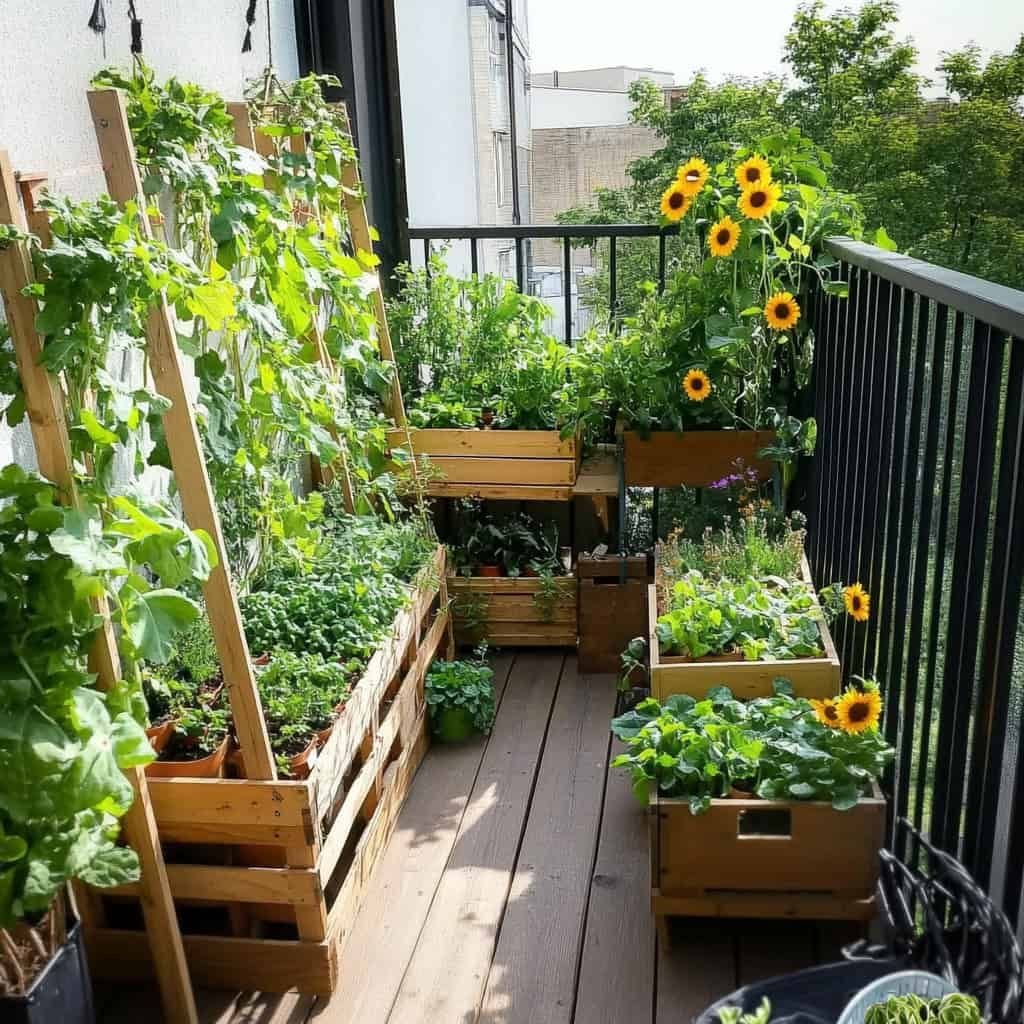
Lesson 9: Patience Is More Important Than Skill
The biggest failure wasn’t technical—it was emotional.
I expected fast results. When plants didn’t grow quickly, I lost motivation.
What I Learned
Gardening is slow—and that’s the point.
Growth Timeline Example
| Plant | Germination | Harvest Time |
|---|---|---|
| Mint | 7–10 days | 30–40 days |
| Lettuce | 5–10 days | 30–45 days |
| Tomatoes | 7–14 days | 60–90 days |
| Coriander | 7–12 days | 40–50 days |
Key Takeaway
Consistency beats perfection.
Visual Growth Cycle (Simple Chart)
Seed → Germination → Seedling → Growth → Flowering → Harvest
   ↓         ↓           ↓          ↓          ↓         ↓
 Care      Light      Water     Nutrients   Patience   Reward
Final Thoughts
Apartment gardening isn’t about getting everything right from day one. It’s about learning through trial and error. My failures weren’t setbacks—they were lessons that shaped a smarter, more resilient gardening approach.
If you’re just starting out, remember this:
- Start small
- Observe daily
- Adjust slowly
- Stay patient
Your plants will teach you everything—if you’re willing to listen.
FAQs
1. What is the easiest plant to grow in an apartment?
Mint, basil, and lettuce are among the easiest. They grow quickly and adapt well to indoor conditions.
2. How often should I water apartment plants?
There’s no fixed schedule. Check soil moisture instead—water only when the top layer is dry.
3. Can I grow vegetables without direct sunlight?
Yes, but growth will be slower. Leafy greens tolerate low light better than fruiting plants like tomatoes.
4. What is the best soil for apartment gardening?
A mix of coco peat, compost, and perlite works best. It ensures good drainage and nutrients.
5. How do I prevent pests naturally?
Use neem oil sprays, maintain airflow, and inspect plants regularly to catch problems early.
6. How long does it take to see results?
Most herbs show growth within 1–2 weeks, while vegetables may take 1–3 months to harvest.