Small Space Vegetable Suggestions for Tiny Flat Balcony Gardens
A Simple Apartment Garden Guide — 10 Great Space-Saving Vegetables for Balconies, Windowsills and Small Urban Spaces
You don’t need a garden to grow your own food.
A sunny windowsill, a small balcony or even a corner of your living room can be transformed into a productive little garden. Millions of apartment-dwelling people are already doing it — and eating fresher, healthier food because of it.
In this guide, you’ll find a list of the 10 best types of vegetables that can be grown in small spaces. Whether you’re a complete novice or a plant killer determined to try again, this guide is designed for you.
Let’s dig in.
Top Reasons to Grow Vegetables Inside an Apartment
One common assumption is that gardening requires space. It doesn’t.
Container gardening has been utilized for centuries. Today, it’s smarter than ever. With the right pot, soil and plant, you can grow real, edible vegetables on a balcony the size of a parking space.
Here’s why apartment gardening is a good use of your time:
- Fresh food at your fingertips. Gone are the days of wilted herbs from the supermarket.
- It saves money. A $3 seed packet can yield dozens of meals.
- It reduces stress. Studies show that plant care reduces anxiety.
- It’s better for the environment. Reduced food miles, reduced packaging waste.
- It’s genuinely satisfying. Nothing beats eating something you helped grow yourself.
The worst part isn’t space — it’s deciding what vegetables to plant. Not every vegetable is suitable for a pot. Some need too much room. Others require more sun than your apartment provides.
And that’s exactly what this apartment garden guide addresses.
What to Look for Before You Select Your Plants
Before you go buying seeds, spend five minutes evaluating your space. These three factors will determine every decision you make.
How Much Light Does Your Space Get?
Walk to your balcony or window. Watch it for an hour. Is it full sun, partial shade, or mostly shady?
Most vegetables require a minimum of 6 hours of full sunlight each day. Some vegetables, like lettuce and spinach, can manage with less — about 3 to 4 hours.
If your apartment faces north or is blocked by tall buildings, stick to leafy greens and herbs. If you have good southern or western exposure, you can grow most of the things on this list.
How Much Space Do You Have?
Think in square footage and vertical height.
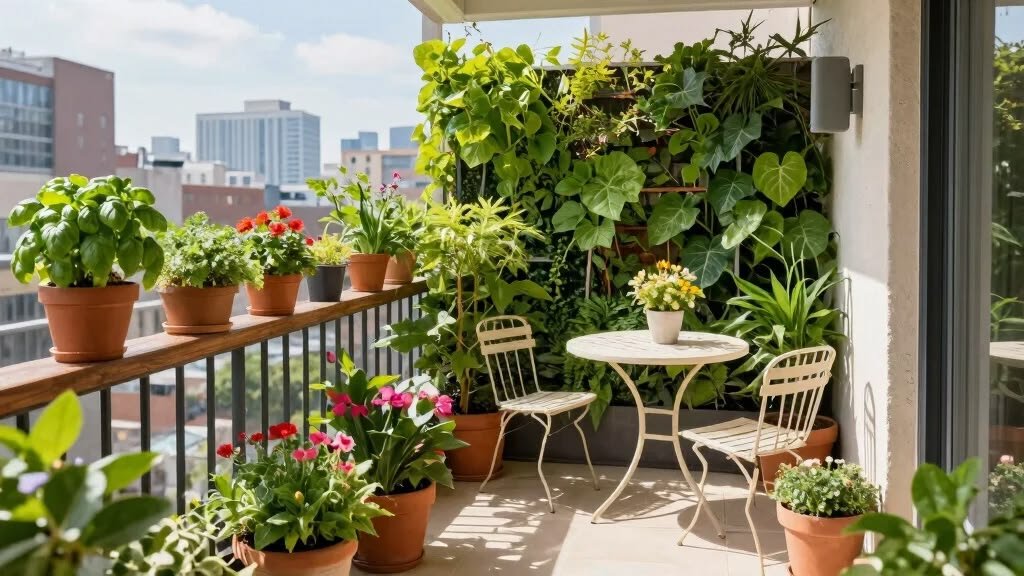
Several containers can easily fit on a small balcony (6 x 4 feet). You can even put a pot or two on your kitchen windowsill. Vertical wall planters and hanging baskets can triple your growing area without occupying an inch of floor space.
What’s Your Climate Like?
Where you live determines what you can grow, and when. Those in warmer climates can grow all year. Those living in colder climates may be limited to gardening spring through fall — unless they grow indoors under lights.
The 10 Best Vegetables for Your Apartment Garden
Here they are — 10 vegetables that genuinely do well in small spaces, ranked from easiest to a bit more challenging.
1. Lettuce — The Absolute Easiest (and Fastest) Win in Any Apartment
If you’ve never grown anything, grow lettuce.
It grows quickly — in as little as 30 days. It doesn’t need deep soil. And it is more tolerant of partial shade than almost any other vegetable.
Best varieties for small spaces:
- Butterhead lettuce
- Loose-leaf lettuce (good for “cut and come again” harvesting)
- Romaine
What you need:
- A shallow container (6–8 inches deep)
- Well-draining potting mix
- Consistent watering (do not let it dry out)
Tip: Plant lettuce in spring and fall. In hot summer, it bolts (turns bitter and goes to seed). In warm areas, grow it indoors in indirect light over winter.
| Feature | Details |
|---|---|
| Container depth required | 6–8 inches |
| Sunlight required | 3–5 hours per day |
| Days to harvest | 30–45 days |
| Difficulty level | Very Easy |
2. Radishes — The Quickest Crop You Will Ever Grow
Radishes may be the most underrated apartment vegetable.
They can be ready to eat in just 3 to 4 weeks. They take up almost no space. And they grow in the very same shallow containers as lettuce.
If you want to experience the joy of actually producing something fast, radishes deliver.
Best varieties:
- Cherry Belle (classic round red radish)
- French Breakfast (slightly longer, mild flavor)
- Daikon (deeper container required, but well worth it)
What you need:
- A container at least 6 inches deep
- Full sun (5–6 hours)
- Regular watering
Tip: Radishes make great companion plants. Tuck them between slower-growing vegetables, such as tomatoes, to use every inch of container space.
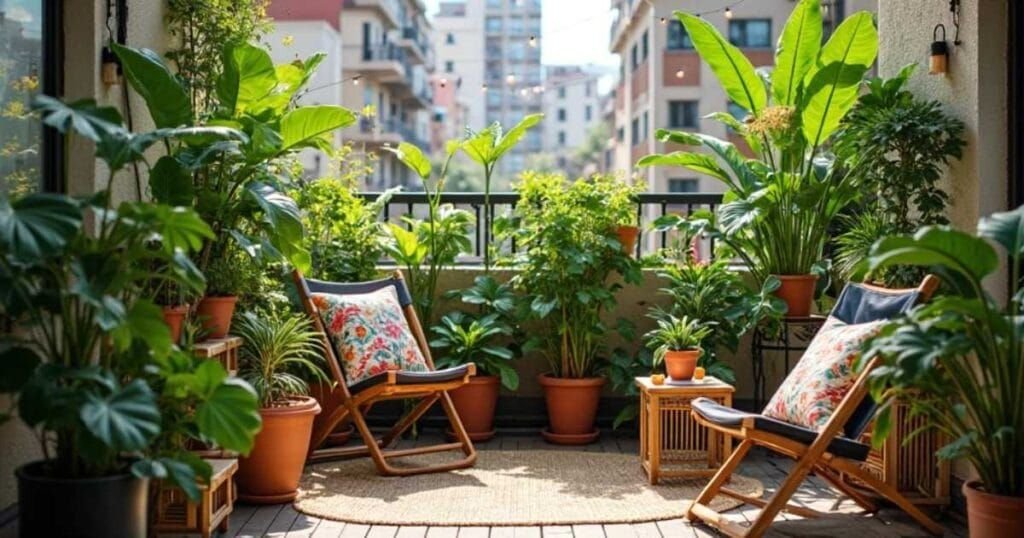
3. Cherry Tomatoes — A Popular Choice That Deserves Its Space
Yes, you can grow tomatoes on a balcony. Cherry tomatoes are practically designed for container living.
They bear fruit consistently during summer. A healthy plant can produce dozens of tomatoes a week during peak season. Kids love them. Adults love them. Once established, they almost grow themselves.
Best varieties for containers:
- Tumbling Tom (compact, cascading — great for hanging baskets)
- Sweet 100
- Tiny Tim (stays very small)
- Balcony variety tomatoes
What you need:
- A large container (12–15 inches deep minimum; a 5-gallon bucket works great)
- Full sun (6–8 hours minimum)
- Regular feeding with tomato fertilizer
- A small stake or cage for support
Pro tip: Water thoroughly and consistently. Inconsistent watering leads to problems such as blossom end rot and fruit cracking. Never let the soil dry out completely between waterings.
| Feature | Details |
|---|---|
| Container depth required | 12–15 inches |
| Sunlight requirements | 6–8 hours/day |
| Days to harvest | 55–70 days |
| Difficulty level | Moderate |
4. Green Onions (Scallions) — The Set-It-and-Forget-It Vegetable
Green onions are nearly effortless.
You can grow them from seed, from transplants or — here’s the cool part — from the root ends of store-bought green onions you were about to toss.
Simply place the white root ends in a glass of water, put it on a sunny windowsill and they’ll regrow. It’s practically free food.
What you need:
- A container (even just a glass of water works to start)
- Soil depth of 4–6 inches for long-term cultivation
- Partial to full sun
Pro tip: Pick the outer leaves and the plant continues to grow. A single pot of green onions can provide several months of fresh flavor in your dishes.
5. Spinach — A Highly Nutritious, Refreshingly Simple Vegetable
Spinach is one of the most nutritious foods you can eat. It’s also one of the more forgiving vegetables for apartment gardeners.
It grows fast. It tolerates partial shade. And unlike tomatoes, it doesn’t need a big pot.
Best varieties:
- Baby spinach (great in salads and smoothies)
- Bloomsdale Long Standing (heat tolerant, bolt resistant)
What you need:
- A container 6–8 inches deep
- Rich, moist potting mix
- 3–5 hours of light per day
Pro tip: Spinach is a cool-weather crop. Grow it in spring and fall. In mild climates or with an indoor grow light, it can be planted as a winter crop too.
6. Hot Peppers — A Long-Season Treat Worth the Wait
Hot peppers are perfect for apartments because they’re compact, love growing in containers and produce fruit for months.
They enjoy heat — which means they thrive on south-facing balconies in summer. If your space gets quite warm, that’s actually a plus.
Best varieties for containers:
- Thai hot peppers (super compact, super prolific)
- Jalapeños
- Cayenne
- Serrano
What you need:
- A 12-inch container or larger (5 gallons minimum)
- Full sun (6–8 hours)
- Regular fertilizing
Pro tip: Peppers are slow starters but quickly catch up. Be patient during the initial 4–6 weeks. Once they begin bearing fruit, they don’t stop until frost.
| Feature | Details |
|---|---|
| Container depth required | 10–12 inches |
| Sunlight | 6–8 hours/day |
| Days to harvest | 70–90 days |
| Difficulty level | Moderate |
7. Kale — Tough, Pretty and Near Impossible to Kill
Kale is a gardening stalwart for good reason.
It’s incredibly tough. It withstands cold better than nearly every other vegetable. It grows in partial shade. And you don’t harvest it just once — it keeps producing leaves for months; you keep cutting and it keeps growing.
Best varieties:
- Dwarf Blue Curled (small, compact)
- Lacinato (a.k.a. Dinosaur kale — beautiful dark leaves)
- Red Russian kale
What you need:
- A medium to large pot (10–12 inches deep)
- Rich potting mix
- 4–6 hours of sun
Pro tip: Kale tastes better after a light frost. If you’re growing it in fall, leave it out through a few chilly evenings. The leaves sweeten up beautifully.
8. Cucumbers — An Unexpected Star on Balconies
Cucumbers might surprise you. They are climbing plants, meaning they grow up rather than out — perfect for balconies with vertical space.
A single cucumber plant, given a small trellis to climb, can easily produce dozens of cucumbers a week throughout summer.
Best varieties:
- Bush Pickle (bushy habit, no trellis needed)
- Spacemaster (bred for containers)
- Patio Snacker
What you need:
- A large container (5 gallons minimum)
- A small trellis or vertical support
- Full sun (6–8 hours)
- Consistent, deep watering
Pro tip: Cucumbers are largely composed of water. Consistent moisture means sweet fruit. Keep the soil watered and mulch the top of the container to help retain it.
9. Bush Beans — Space Savers with High Yield and Easy Care
Bush beans are the ideal choice for apartment dwellers. They stay small — generally under 2 feet tall — and do not require a trellis.
They fix nitrogen in the soil, literally improving your container mix over time. And they keep producing right through summer.
According to the RHS (Royal Horticultural Society), French bush beans are among the most rewarding crops to grow in containers, with minimal care required once established.
Best varieties:
- Blue Lake Bush Bean
- Provider
- Contender
What you need:
- A container at least 8–10 inches deep
- Full sun (6–8 hours)
- Well-draining potting mix
Pro tip: Never start bush beans indoors. They don’t like being transplanted. After the last frost date, plant seeds directly into the container where they’ll grow.
| Feature | Details |
|---|---|
| Container depth required | 8–10 inches |
| Sunlight needed | 6–8 hours/day |
| Days to harvest | 50–60 days |
| Difficulty level | Easy |
10. Swiss Chard — Colorful, Nutritious and Container Friendly
Swiss chard is the visual star of the apartment garden.
With its bright red, yellow, orange and white stems, it’s genuinely beautiful. And it’s as productive as it is pretty — large leaves regrow quickly after harvesting.
Best varieties:
- Rainbow Chard (multicolor stems — the most striking option)
- Fordhook Giant (large, productive)
- Bright Lights
What you need:
- A container 8–10 inches deep
- Rich potting mix with compost
- 4–6 hours of light
Pro tip: Swiss chard withstands both heat and cold. It’s one of the few vegetables that spans spring, summer and fall growing seasons in most climates.
All 10 Vegetables at a Glance
| Vegetable | Container Size | Sun Required | Days to Harvest | Difficulty |
|---|---|---|---|---|
| Lettuce | 6–8 inches | 3–5 hrs | 30–45 days | Very Easy |
| Radishes | 6 inches | 5–6 hrs | 21–30 days | Very Easy |
| Cherry Tomatoes | 12–15 inches | 6–8 hrs | 55–70 days | Moderate |
| Green Onions | 4–6 inches | 4–6 hrs | 20–30 days | Very Easy |
| Spinach | 6–8 inches | 3–5 hrs | 40–50 days | Easy |
| Hot Peppers | 10–12 inches | 6–8 hrs | 70–90 days | Moderate |
| Kale | 10–12 inches | 4–6 hrs | 55–75 days | Easy |
| Cucumbers | 12+ inches | 6–8 hrs | 50–70 days | Moderate |
| Bush Beans | 8–10 inches | 6–8 hrs | 50–60 days | Easy |
| Swiss Chard | 8–10 inches | 4–6 hrs | 50–60 days | Easy |
Everything Works Better with the Right Soil
One common pitfall for new gardeners is using regular garden soil in their pots.
Don’t do that. Garden soil compacts in pots, doesn’t drain well and can choke roots.
Always use a good potting mix designed for containers. Look for one that includes:
- Perlite or vermiculite (to aid drainage and aeration)
- Coco coir or peat moss (for moisture retention)
- Compost (for natural nutrients)
Before planting, add a slow-release granular fertilizer to the mix for most vegetables on this list. Follow up with a liquid fertilizer every 2–3 weeks during the growing season.
Watering Smarter, Not More
If this is your first apartment plant, you might be overwatering — which kills more plants than underwatering.
The general rule: push your finger about 1 inch into the soil. If it’s dry, water. If it’s still moist, wait.
Signs of overwatering:
- Yellowing leaves
- Soggy, heavy soil
- Wilting even with wet soil
Signs of underwatering:
- Crispy leaf edges
- Light, dry soil
- Droopy leaves that perk up with watering
Containers dry out quickly, especially during hot weather — sometimes daily. In cool weather, watering every 2–3 days is usually sufficient.
Optimizing Vertical Space
One of the smartest ideas in apartment gardening is vertical thinking.
When you’re out of floor space, grow up. Here are a few ways to do it:
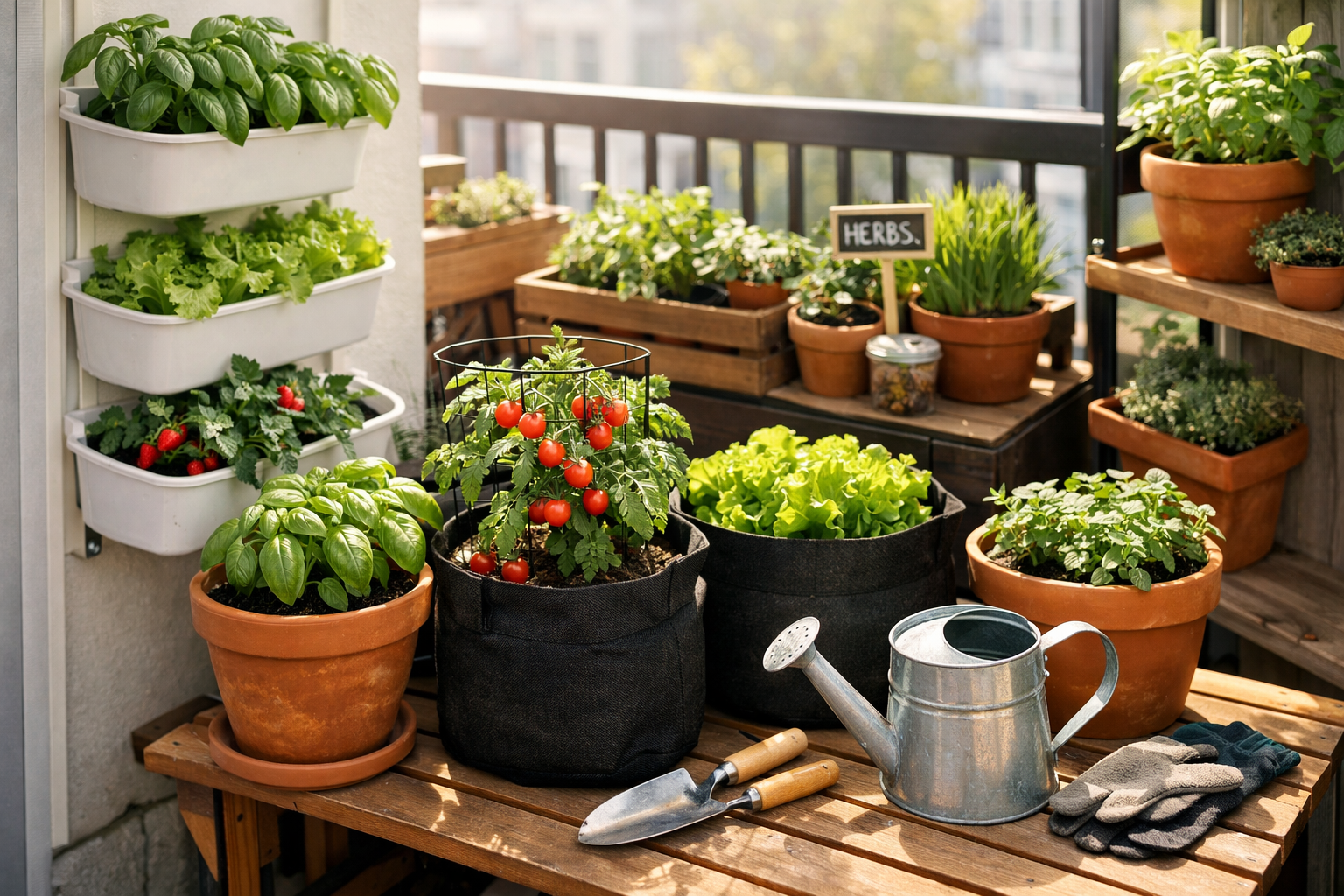
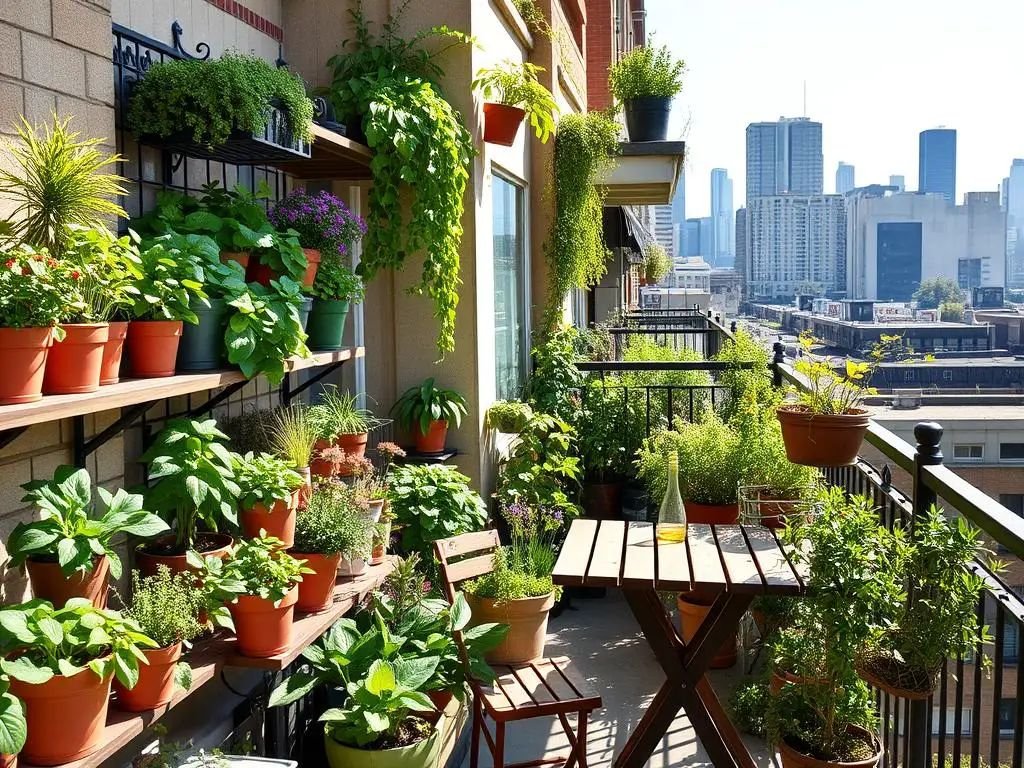
- Wall-mounted pocket planters — great for herbs, lettuce and spinach
- Tiered plant stands — fit several containers into a tiny footprint
- Hanging baskets — ideal for cherry tomatoes and trailing plants
- Rail-mounted trellises — perfect for cucumbers and beans
- Window boxes — ideal for windowsills and balcony railings
By going vertical, you can triple your growing capacity without adding a single extra square foot of floor space.
Dealing with Common Problems
Even the best apartment gardens run into trouble now and again. Here’s how to handle the most common issues.
Pests
The most common apartment garden pests are aphids, spider mites and fungus gnats.
- Aphids: Hose plants down with a strong spray of water or knock them off by hand, then follow up with a neem oil spray.
- Spider mites: Tend to appear in overly dry air. Raise humidity or treat with neem oil.
- Fungus gnats: Caused by overwatered soil. Allow the top inch of soil to dry out before watering again.
Leggy, Weak Growth
If your plants are tall and spindly, they’re not receiving enough light. Move them closer to the window or invest in a grow light.
Poor Fruit Production
If your tomatoes or cucumbers are flowering but not fruiting, they may need pollination assistance. Outdoors, bees handle this. Indoors, lightly shake the flowering stems daily to mimic wind pollination.
FAQs on Apartment Garden Vegetables
Q: Can I actually grow enough food to matter in a small apartment?
Absolutely. You’re not going to replace all of your grocery shopping, but you can grow plenty of lettuce for weekly salads, fresh herbs for every meal and enough tomatoes and peppers to make real recipes. Every bit of homegrown food makes a difference.
Q: Do I need special lights to grow vegetables indoors?
Only if your apartment receives less than 3–4 hours of natural light per day. In that case, a simple LED grow light ($30–$60) can mean the difference between a thriving garden and one that’s struggling to survive.
Q: What is the minimum space needed to start an apartment garden?
All you need is one windowsill — roughly 3 feet wide. You can plant lettuce, radishes, green onions and herbs in that space alone. Expand gradually as you gain confidence.
Q: How often should I fertilize container vegetables?
During the growing season, fertilize every 2–3 weeks with a balanced liquid fertilizer (such as 10-10-10) for most vegetables. Tomatoes and cucumbers are heavy feeders and should be fed weekly during their peak growth phase.
Q: Does it cost a lot to start an apartment garden?
Starting costs are low. A few seed packets ($2–$5 each), a bag of potting mix ($10–$15) and some basic containers (or recycled buckets and bins) can get you started for under $50. What you grow pays that back quickly.
Q: What if my balcony or window faces north and gets little sun?
Stick to shade-tolerant crops: lettuce, spinach, kale and green onions. These can still thrive with only 3–4 hours of indirect light. Avoid sun-loving crops such as tomatoes and peppers unless you have a grow light.
Q: Is it possible to grow vegetables year-round in an apartment?
In many cases, yes — especially indoors with a grow light. Outdoors on a balcony, it depends on your climate. In warm climates, year-round growing is entirely possible. In colder areas, grow cool-season crops in spring and fall and bring plants inside or under grow lights during winter.
Putting It All Together: Plan Your First Apartment Garden
If you’re just starting out, here’s a simple starter plan:
- Month 1: Begin with radishes and lettuce in a shallow window box. These are fast, simple and will build your confidence quickly.
- Month 2: Add a pot of green onions and a small pot of spinach. Give them the brightest windowsill you have.
- Month 3: If you have balcony space, add a cherry tomato plant and a single hot pepper plant. Start from nursery transplants (not seeds) for quicker results.
- Month 4 onward: Build on what’s been successful. Plant cucumbers with a small trellis. Add Swiss chard for color. Experiment with bush beans.
Every good garden begins with one pot. Then you add another. Then another. Before you know it, you have a productive apartment garden feeding you every week.
Final Thoughts
Big things sometimes come in small packages.
This guide has shown you that, with the right vegetable choices — and a little planning and care — you can grow legitimate food without a backyard.
The best time to start was last season. The second-best time is now.
Choose one or two vegetables from this list. Find a container, good potting mix and a seed packet or transplant. Put it somewhere sunny. Water when the soil is dry.
Then watch what happens.
You may well find that growing your own food was one of the most gratifying things you’ve ever done — and that your apartment had room for it all along.