I killed my first three plants within two weeks of bringing them home.
Not because I didn’t care — I cared too much, actually. I was overwatering, over-fertilizing, and moving them around the apartment every time I read a new tip online. One succulent literally rotted from the roots up. A basil plant I was genuinely proud of turned yellow and mushy in under 10 days.
What finally turned things around wasn’t some fancy product or rare technique. It was routine. Simple, boring, consistent routine.
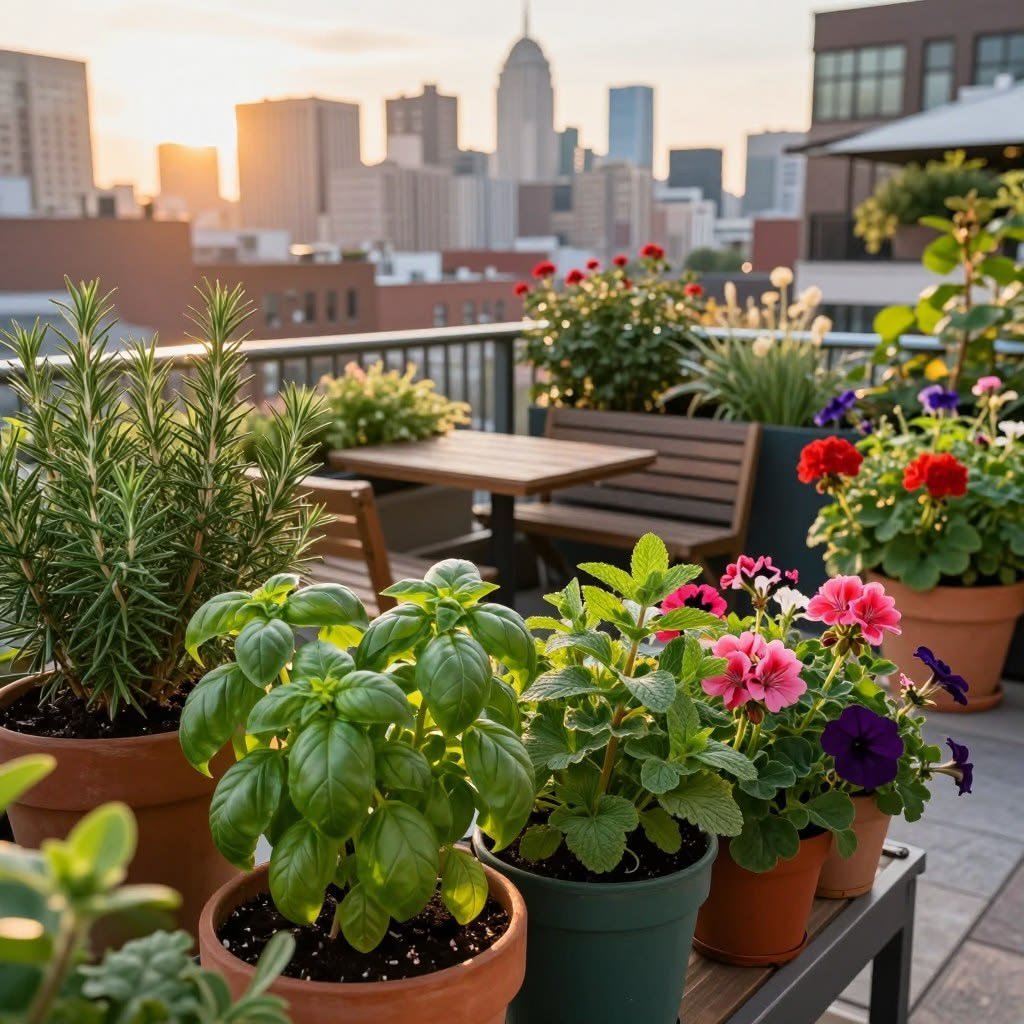
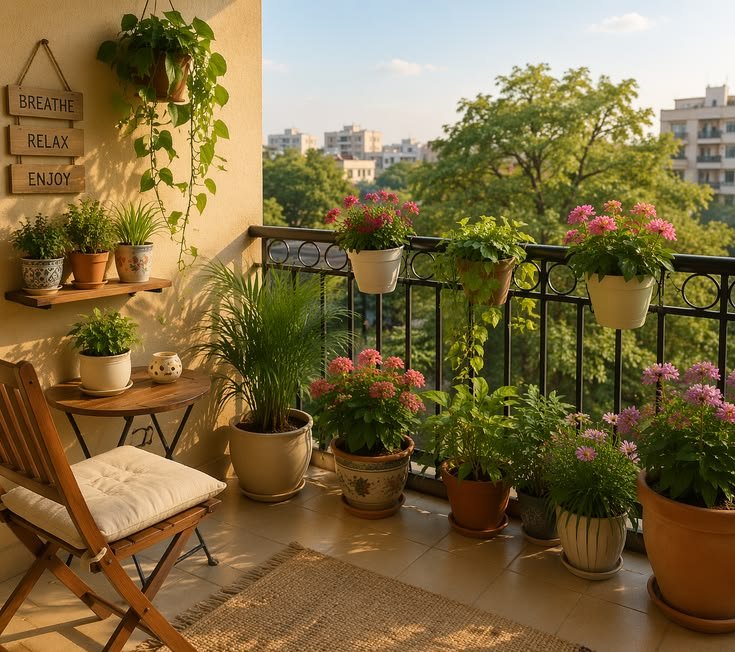
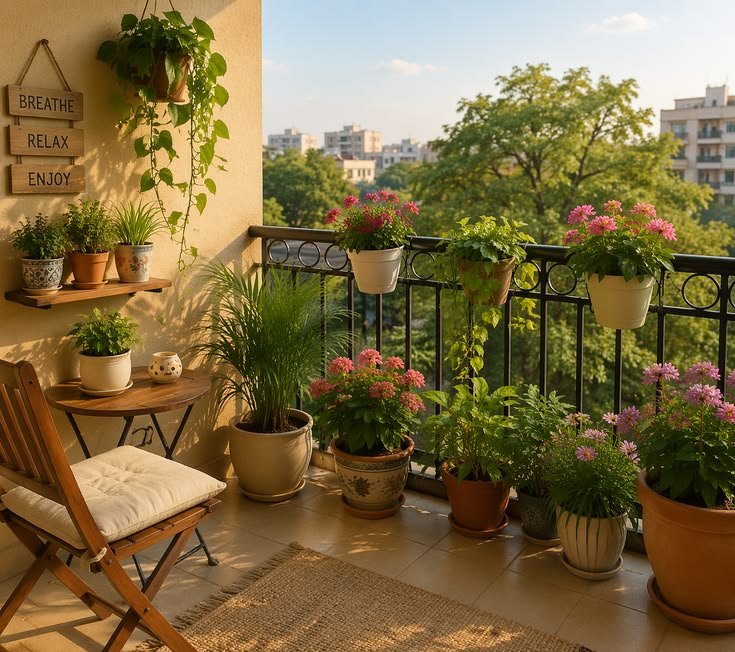
Once I built a few easy habits around my little apartment garden — a windowsill herb corner, a balcony shelf with tomatoes and marigolds, and a cluster of indoor pothos — everything changed. Plants stopped dying. Some even started thriving in ways I didn’t expect.
So here are the 5 routines that actually work, straight from my own experience.
1. The Morning Check-In (2 Minutes Max)
This sounds almost too simple, but it made the biggest difference for me.
Every morning, before I made coffee or checked my phone, I’d spend about two minutes just looking at my plants. Not doing anything drastic — just checking in.
Here’s what I actually looked for:
- Soil dryness: I’d stick my finger about an inch into the soil. Dry? Might need water today. Still moist? Leave it alone.
- Leaf color: Yellow leaves often mean overwatering. Brown crispy tips usually mean underwatering or low humidity.
- New growth: Seeing a new leaf always made my morning. It also told me the plant was happy.
- Pests: Spider mites and fungus gnats are sneaky. Catching them early — before they spread — is everything.
I used to skip this and only check on plants when something looked obviously wrong. By then, it was often too late to save them.
The morning check-in is also just… calming? There’s something grounding about it before the day gets loud. I started using a free app called Greg (plant care app) to log notes when something looked off. It helped me spot patterns — like how my mint always drooped on hot afternoons even after watering.
Quick tip: Keep a small notebook or use your phone’s notes app to jot down anything unusual. “Yellowing on lower leaves” or “soil dry after only 1 day” — these little observations add up.
2. Watering on a Schedule (But Knowing When to Break It)
Here’s the mistake I made early on: I watered on a strict every-other-day schedule no matter what. Didn’t account for season, weather, or the specific plant’s needs. My succulents drowned. My tomatoes got stressed.
The better approach? A flexible watering routine based on plant type and environment.
I built a simple system that works well in a small apartment:
| Plant Type | Watering Frequency (Approximate) | Key Tip |
|---|---|---|
| Succulents & Cacti | Every 10–14 days | Let soil dry completely |
| Herbs (Basil, Mint) | Every 2–3 days | Keep moist, not soggy |
| Leafy Veggies | Every 1–2 days | Check daily in summer |
| Pothos / Trailing Plants | Every 5–7 days | Drooping = needs water |
| Tomatoes (Balcony) | Daily in peak summer | Consistent is key |
The trick I swear by now: water deeply but less often, rather than little sips every day. When I water, I water until it drains from the bottom of the pot. That encourages roots to grow deep. Shallow watering = shallow roots = weaker plants.
For busy weeks, I picked up a set of terracotta self-watering spikes (they’re cheap on Amazon — around $8 for 5 pieces). You fill a plastic bottle, attach the spike, and it slowly releases water into the soil. Game changer for my herbs when I travel.
One thing worth checking: 9 Smart Apartment Garden Guide Watering Tricks for Busy People — this post has some really practical tricks I also found useful when I was setting up my system.
3. Weekly Feeding and Soil Check
Plants in pots are different from plants in the ground. They can’t reach out for nutrients — they’re stuck in that container, depending entirely on you. And most potting mixes are depleted of nutrients within 4–6 weeks of use.
I learned this the hard way when my balcony tomatoes started flowering but produced almost nothing. Turns out they were starving.
Now, every Sunday (I picked a day and stuck to it), I do a quick feeding round. Here’s my routine:
Step 1 — Check the soil texture. If it looks compacted or crusty on top, I gently loosen it with a chopstick. Compacted soil blocks water and oxygen from reaching the roots.
Step 2 — Feed appropriately. I use a liquid fertilizer diluted to half strength — full strength can actually burn roots, especially in small pots. For herbs and veggies, I use a balanced NPK fertilizer (something like 10-10-10). For flowering plants like my marigolds, I switch to a phosphorus-heavy feed.
Step 3 — Check for root crowding. If roots are poking out the drainage holes or circling the top of the soil, the plant needs a bigger pot. I repot once a year, usually in early spring.
Fertilizing schedule overview:
| Season | Feeding Frequency | Notes |
|---|---|---|
| Spring & Summer | Every 2 weeks | Active growth, feed more |
| Autumn | Once a month | Growth slows down |
| Winter | Pause or very rarely | Most plants rest |
One mistake I made was feeding a stressed or sick plant thinking it would “help.” It made things worse. Only feed a healthy plant — nutrients can’t fix a root rot or pest problem.
4. The Light Rotation Routine
This one took me embarrassingly long to figure out.
My apartment faces west. Great afternoon light, but my herbs near the kitchen window were getting only about 2–3 hours of direct sun. They were alive but leggy — stretching toward the light, thin stems, not very productive.
Once a week now, I rotate my pots. It takes maybe 5 minutes total and the difference is real.
Why rotation matters:
- Plants grow toward light, which causes uneven, lopsided growth
- Rotating ensures all sides get exposure, keeping the plant compact and balanced
- It also forces you to look at all sides of the plant, which helps you catch pests hiding on the underside of leaves
For plants that don’t get enough natural light, I added a grow light — a clip-on LED one I found for about $20. I set it on a timer (6 hours on, 18 off) and it runs automatically. My basil went from sad and pale to lush and bushy within three weeks.
A few plants I’ve had success with under grow lights in a low-light apartment:
- Basil
- Lettuce and spinach
- Small chili peppers
- Pothos and philodendrons
If you’re setting up a small indoor growing area, this article helped me think through the layout: 10 Easy Apartment Garden Guide Lighting Ideas for Indoor Plants
5. The End-of-Week Clean and Prune
I added this routine last, and honestly it’s the one I enjoy most now.
Every Friday evening (or Saturday morning when I’m not rushing), I spend about 10–15 minutes doing a light clean-up of my plants. It started as something I did only when plants looked messy, but doing it weekly keeps everything healthier and the whole space looking nicer.
What this routine includes:
🌿 Pruning dead or yellowing leaves — These drain energy from the plant. Snip them off with clean scissors right at the base.
🌿 Wiping dusty leaves — Especially for large-leafed indoor plants like pothos or peace lilies. Dust blocks light absorption. I use a damp soft cloth — takes 30 seconds per plant.
🌿 Checking for pests up close — Flip leaves over. Look for tiny dots (spider mites), white cottony bits (mealybugs), or sticky residue (aphids). If I catch anything, I treat it immediately with neem oil spray before it spreads.
🌿 Deadheading flowers — For flowering balcony plants like petunias or marigolds, removing spent blooms encourages more flowers to form. This alone doubled the flower count on my balcony over a season.
🌿 Tidying the space — Empty pots get stacked, tools get wiped and put back, soil spillage gets cleaned up. A tidy garden space makes it easier to notice problems and more pleasant to spend time in.
I keep a small basket on my balcony shelf with everything I need: scissors, a soft cloth, neem oil spray bottle, and a small spray bottle with water. Everything in one place means I actually do the routine instead of skipping it.
For people just getting started building out their tools and space, this is worth a look: 8 Essential Apartment Garden Guide Tools Every Beginner Needs
Common Mistakes I Made (So You Don’t Have To)
Even with routines, I still messed up. Here are the biggies:
Watering on autopilot. Sticking to a calendar schedule regardless of whether the soil actually needed water. Soil doesn’t care what day it is.
Moving plants too often. Every time they looked unhappy, I’d move them somewhere new. Plants need time to adjust — sometimes what looks like a struggling plant is just acclimating to a new spot.
Using the wrong pot size. Too big = soil stays wet too long = root rot. Too small = root bound = stunted growth. I now size up by just 1–2 inches when repotting.
Ignoring drainage. I had some cute pots without drainage holes early on. Lost three plants to root rot before I figured this out. Always, always drainage holes.
Fertilizing in winter. Most houseplants are in a dormant or slow-growth phase. Feeding them heavy fertilizer during this time can cause salt buildup in the soil and actually damage roots.
A Simple Weekly Routine Overview
Here’s how the whole thing looks mapped out across a week:
| Day | Routine | Time Needed |
|---|---|---|
| Every Morning | Quick check-in (soil, leaves, growth, pests) | 2 minutes |
| Mon / Thu | Watering check (water if needed) | 5–10 minutes |
| Sunday | Feeding + soil check | 10 minutes |
| Wednesday | Light rotation | 5 minutes |
| Friday/Saturday | Clean, prune, pest check | 10–15 minutes |
That’s maybe 45–60 minutes a week total, spread across small tasks. It genuinely doesn’t feel like a chore anymore — it’s become part of how I start and end my week.
Final Thoughts
The plants I have now — mint, basil, chili peppers, a trailing pothos, some marigolds on the balcony — all survived their first full year. Some of them are going into year two. That still feels like a win to me given how badly I started.
None of this requires expensive gear, a huge balcony, or a green thumb you were born with. It just requires showing up consistently. Two minutes in the morning. A watering check twice a week. A light rotation mid-week. A Sunday feed. A Friday tidy-up.
That’s it. Boring? Maybe. Effective? Absolutely.
If you’re dealing with limited space and wondering how to make all of this fit into a tiny apartment setup, this is a great next read: 5 Powerful Apartment Garden Guide Setup Ideas for Small Spaces