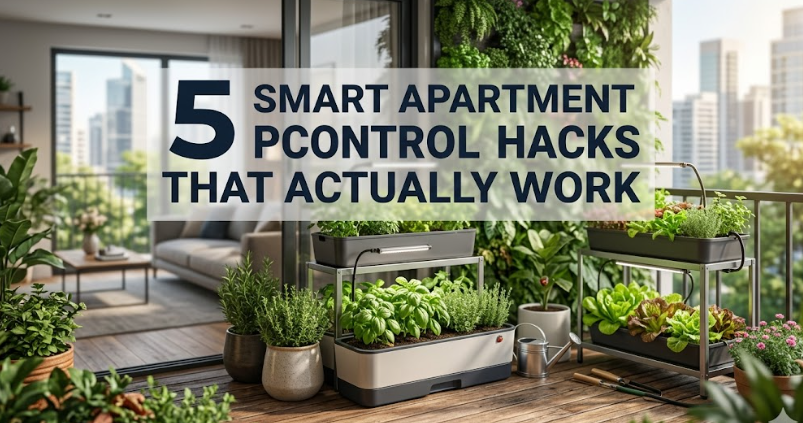
5 Proven Pest Control Hacks for Your Smart Apartment Garden
Meta Description: Apartment Garden Guide Pest Control Is Not A Cause For Alarm — Here are 5 clever and proven hacks to repel bugs around your indoor garden, safely and effectively.
You finally built your little indoor garden. A few pots on the windowsill. Herbs on the kitchen shelf. Perhaps a trailing plant or two near the balcony. It feels new, tranquil, and fulfilling.
Then you spot them.
Small insects walking on the dirt. Sticky residue on the leaves. Tiny flies swarm every time you water. Your serene green corner is now a battlefield for a pest invasion.
The good news is you don’t have to be a professional gardener or spend big bucks to bring it back. This article on pest control in your apartment garden gives you five clever, practical hacks that really work — even if you live in a small space without a yard, no place to hook up a garden hose, and no chemical sprayers.
These hacks are easy, low-cost, and safe for your home, your family, and your plants.
Let’s get into it.
Why Apartment Gardens Are Pest Magnets (And What You Can Do About It)
Indoor plants are such a pest breeding ground — but do most people know why? It’s not just bad luck.
Here’s what makes apartment gardens particularly vulnerable:
- Too much water creates moist soil — and fungus gnats thrive on that
- Spider mites thrive in poorly ventilated, closed rooms
- Pest reproduction accelerates with higher indoor temperatures
- New plants from a nursery may come with hidden eggs or bugs
- Old soil carries pests from previous plants
Once you know where pests come from, it is so much easier to prevent an invasion.
The Worst Apartment Garden Pests to Look Out For
Before getting to the hacks, it’s helpful to know your enemy. Different pests need different treatments.
| Pest | What to Look For | Target Plants | Damage |
|---|---|---|---|
| Fungus Gnats | Tiny black flies near soil | Herbs, ferns, tropical plants | Yellowing leaves, wilting |
| Spider Mites | Tiny red/brown dots on leaves and webbing | Succulents, tomatoes, herbs | Dry, speckled leaves |
| Mealybugs | White cottony clusters | Houseplants | Sticky residue, leaf curl |
| Aphids | Small green/black clusters | Basil, lettuce | Yellow, curled leaves, sticky stems |
| Scale Insects | Brown bumps on stems | Citrus, orange trees | Yellowing, sticky residue |
| Whiteflies | Cloud of white when disturbed | Tomatoes | Pale, stunted growth |
Step one is accurately identifying the pest. A fungus gnat solution won’t get you far if you have a spider mite problem.
Hack #1 — Repurpose Your Kitchen Scraps Into a Pest-Fighting Spray
You likely have everything you need for this in your kitchen right now.
The DIY Formula That Actually Works
One of the safest, cheapest, and most effective pest control methods for your apartment garden.
What you need:
- 1 cup water
- 1 teaspoon dish soap (non-antibacterial)
- 1 teaspoon neem oil (available online or at garden shops)
- Optional: a few crushed garlic cloves or a sprinkle of cayenne pepper
How to make it:
Add the water, dish soap, and neem oil into a small spray bottle. Shake gently. Add garlic or cayenne for extra potency.
How to use it:
- Spray directly onto affected leaves — top and bottom
- Do this in the evening, not when the sun is directly shining on the plant
- Repeat every 3 to 5 days for two weeks
Why This Actually Works
Neem oil contains a compound called azadirachtin. It scrambles the life cycle of insects — they cannot feed properly, they stop reproducing, and eventually they disappear. It’s effective against aphids, mealybugs, spider mites, and whiteflies.
The dish soap dissolves the waxy coating on soft-bodied bugs and dries them out. Garlic and cayenne act as natural repellents.
Pro Tip: Always patch test first. Spray one leaf and leave it for 24 hours to check for any burning or discoloration before treating the whole plant.
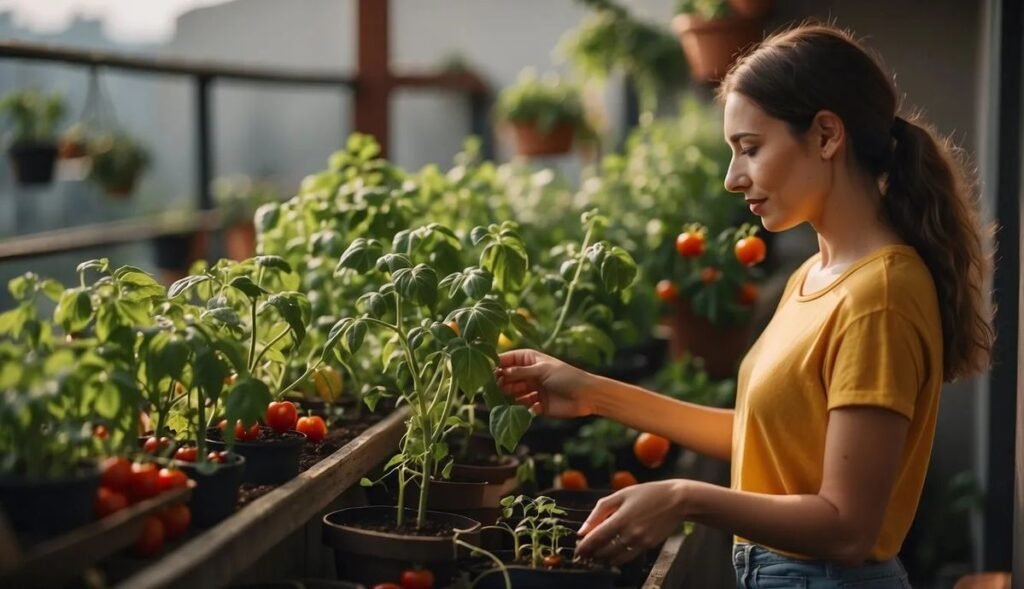
Hack #2 — Fix Your Watering Habits to Beat Fungus Gnats
This one sounds too simple. But it’s more effective than most sprays.
The Overwatering Issue No One Talks About
The most frequent complaint in apartment gardens is fungus gnats — and nearly every time, overwatering is to blame.
These little flies don’t directly harm your plants. But their larvae mature in the soil, where they damage roots. Over time, that significantly weakens your plant.
Here’s what to do: Allow the top 2 inches of soil to dry out completely between waterings.
Fungus gnat larvae require moist soil to survive. If you allow the surface to dry, they cannot lay their eggs there. No eggs means no larvae. No larvae, no gnats hovering over your face every morning.
Bottom Watering — A Small Change, Big Impact on Bugs
Try bottom watering instead of pouring water on top of the soil. Place your pot in a tray of water for 20–30 minutes. The soil draws moisture from below while the top layer stays dry.
This single change can dramatically reduce fungus gnat populations — often noticeably within one or two weeks.
Use a Moisture Meter
A cheap soil moisture meter — typically less than $10 — takes the guesswork out of watering. When it reads “dry,” water. When it reads “moist,” wait.
How Pests Travel in Apartment Gardens
Here’s a simple breakdown of the pest lifecycle and where you can intervene:
New Plant Introduced
        ↓
Eggs or Larvae Hidden in Soil or Leaves
        ↓
Indoor Heat Speeds Up Hatching
        ↓
Adults Feed on Plant, Reproduction Increases
        ↓
Spreads to Nearby Plants → Visible Damage → Infestation
Where to break the cycle:
- On arrival → Inspect every new plant before bringing it inside
- In the soil → Fix watering habits, refresh old soil
- On the leaves early → Spray neem oil solution
- In the air → Use sticky traps (see Hack #3)
Hack #3 — Yellow Sticky Traps: Ugly But Brilliant
They’re not glamorous. But yellow sticky traps are some of the most effective tools in any apartment garden pest control toolkit.
How Sticky Traps Work
Many flying pests — including fungus gnats, whiteflies, and aphids — are drawn to the color yellow because it mimics the appearance of young, healthy leaves. Once they land on the sticky surface, they can’t escape. Within a few days, the traps can collect dozens — sometimes hundreds — of bugs.
They typically come in packs of 20–30 and can be purchased online or at any garden store for a few dollars.
Where to Place Them
Placement matters. Here’s a quick guide:
| Pest Problem | Where to Place the Trap |
|---|---|
| Fungus Gnats | Just above the soil line |
| Whiteflies | At mid-plant height |
| Aphids | Near the tops of plants |
| General flying pests | Near windows and doors |
Replace the traps every 1–2 weeks, or more frequently if they fill up quickly.
Make Your Own Sticky Trap
No budget for store-bought? No problem.
Cut small pieces of bright yellow cardstock. Spread petroleum jelly or a thin layer of honey on both sides. Hang on a skewer or stick and push it into the soil.
Just as effective — and costs nearly nothing.
Hack #4 — Create a Pest-Repelling Barrier From Common Items
It is always easier to prevent than treat. This hack is all about keeping pests away from your plants before they arrive.
Diatomaceous Earth — An Invisible Bodyguard
Diatomaceous earth (DE) is a fine white powder derived from fossilized algae. It sounds exotic, but it’s inexpensive, natural, and incredibly potent.
Here’s how it works: DE scratches the outer coating of insects as they crawl over it, causing them to dehydrate and die. It’s harmless to humans, pets, and plants.
How to use it in apartment gardens:
- Dust a thin layer over the soil surface
- Reapply after watering, as moisture washes it away
- Scatter around the base of pots to stop crawling insects
DE is especially effective against fungus gnat larvae, mealybugs, and ants.
Cinnamon — Your Anti-Fungal Superstar
Cinnamon isn’t just for baking. Sprinkling cinnamon powder on the surface of your soil acts as a natural anti-fungal agent.
It stops the fungal growth that fungus gnats feed on. Less food means less reason for gnats to hang around.
Plus, it smells great.
Copper Tape for Snails and Slugs
If you have a balcony garden or pots facing outdoors, snails and slugs can become a problem. Wrapping copper tape around the rim of your pot creates a mild electrical reaction that repels them.
It sounds like magic — but it’s basic science, and it works.
Sand or Gravel Top Dressing
Top your soil with a fine layer of coarse sand or fine gravel. It dries out faster than bare soil, making it difficult for fungus gnats to lay eggs on the surface.
It also looks tidy and decorative. Double win.
Hack #5 — Use Companion Planting as Your Natural Defense
This may be the most underrated tip in apartment garden pest control.
What Is Companion Planting?
Companion planting is the practice of growing certain plants next to one another so they benefit each other. Certain plants naturally repel pests through their scent or chemical compounds.
In an apartment garden, this is brilliant — you’re using your plants themselves as part of your defense system.
The Top Pest-Repelling Plants for Apartments
| Plant | Repels | Easy to Grow Indoors? |
|---|---|---|
| Basil | Aphids, whiteflies, mosquitoes | Yes |
| Mint | Aphids, ants, spider mites | Yes (keep contained) |
| Lavender | Moths, fleas, flies | Yes (needs bright light) |
| Rosemary | Beetles, mosquitoes, carrot flies | Yes |
| Chives | Aphids, Japanese beetles | Yes |
| Marigolds | Whiteflies, aphids, nematodes | Yes (needs sun) |
The best part? Most of these are herbs you can use in cooking. So you’re fighting pests and building a productive kitchen garden at the same time.
Companion Planting in a Small Space
You don’t need a lot of room. Even placing a pot of basil next to your tomato plant on the windowsill helps.
A few ideas:
- Plant mint alongside fruit plants — but keep it in its own pot, as it spreads aggressively
- Tuck marigolds between vegetable plants on a balcony shelf
- Place a potted lavender plant near windows and doors
Your Weekly Pest Control Routine
Consistency is everything. A simple weekly routine can prevent pests from ever taking hold.
Every Day:
- Check soil moisture before watering
- Scan leaves for unusual spots or bugs
Every 3–5 Days:
- Spray at-risk plants with neem oil solution
- Monitor and replace sticky traps as needed
Once a Week:
- Check new growth and the undersides of leaves for sap-sucking insects
- Reapply diatomaceous earth or cinnamon if you’ve watered recently
- Wipe leaves with a damp cloth to remove dust and early signs of pests
With Every New Plant:
- Quarantine for 1–2 weeks before placing near other plants
- Apply a preventative neem oil spray
- Gently inspect the top layer of soil for larvae

When Home Hacks Fail — Knowing When to Escalate
The hacks above will manage most apartment garden pest problems. But sometimes an infestation gets out of hand.
Here’s when it’s time to consider stronger action:
- More than half of your plant is affected — major leaf drop, severe wilting
- Pests have spread to multiple plants despite treatment
- Roots appear soft, brown, or mushy when you unpot the plant
- No improvement after 4 weeks of consistent weekly treatment
In these cases, you may need to purchase an insecticidal soap from a garden center, or — in extreme cases — remove and dispose of the most affected plants to protect the rest.
It’s a difficult call, but one sick plant isn’t worth losing your entire collection.
Apartment Garden Pest Control: FAQ
How do I eliminate pests from an apartment garden quickly? The quickest results come from combining two or three approaches at once. Begin with a neem oil spray, set up yellow sticky traps around infested plants, and allow the soil to dry out thoroughly. Within a week, you should notice a significant decrease in pest activity.
Is neem oil safe to use indoors? Yes, neem oil is safe for indoor use. It has a strong smell — similar to garlic and sulfur — so open the windows after spraying. It is not toxic to humans or pets once it dries.
How can I tell if my plant has pests or a disease? Pests generally leave physical signs — visible bugs, sticky residue, webbing, or bite marks on leaves. Disease usually appears as discoloration, mold, or rot without visible insects. Turn your leaves over and inspect closely. Most pests hide on the undersides.
Will vinegar kill plant pests? Diluted apple cider vinegar can be used as a trap for fungus gnats — pour some into a small cup and cover it with plastic wrap punctured with small holes. They fly in but can’t get out. However, spraying vinegar directly on plants can damage leaves, so avoid that.
Why do my plants keep getting pests despite treatment? This usually means the source hasn’t been removed. Common hidden sources include contaminated soil, infected neighboring plants, or new plants brought in without quarantine. Inspect all plants in your home — not just those showing visible damage.
Do apartment gardens attract more pests than outdoor gardens? Not more, but different ones. The warmth of indoors accelerates reproduction, and there are fewer natural controls — such as birds or beneficial insects — to keep populations in check. That’s why proactive indoor prevention is especially important.
How often should I apply diatomaceous earth? Reapply after each watering, as moisture washes it away. If you water once a week, weekly reapplication is generally enough.
Conclusion — Small Space, Big Impact
Managing pests in your apartment garden doesn’t have to be an uphill battle. With the right knowledge and a few consistent habits, you can keep your indoor plants healthy and pest-free year-round.
A quick recap of the five hacks that work:
- Homemade neem oil spray using kitchen ingredients
- Correcting watering habits and bottom watering to eliminate fungus gnats
- Yellow sticky traps to monitor and catch flying pests
- Diatomaceous earth, cinnamon, and sand as physical barriers
- Companion planting with pest-repelling herbs and flowers
None of this requires fancy products or expertise. Just a little consistency and follow-through.
The first step to pest control in your apartment garden is observation. Inspect your plants regularly, treat problems early, and never wait until an infestation is out of hand.
Do small things daily — they add up. And your plants will thank you for it.