I still remember the day I killed my first three plants within the same week. A basil, a mint, and what I thought was an “impossible to kill” succulent. All three, gone. I was living in a 650 square foot apartment with one east-facing window and absolutely zero clue what I was doing.
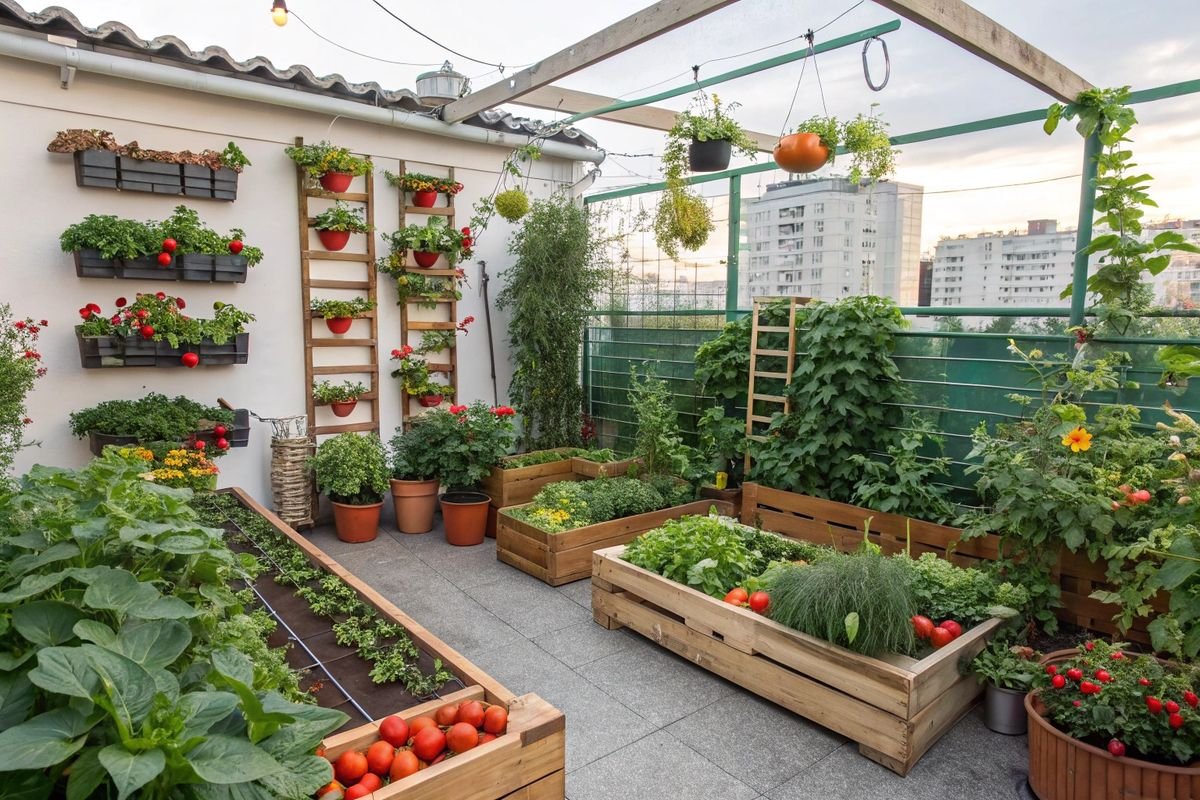
That was about three years ago. Today, my balcony looks like a tiny jungle — tomatoes climbing a trellis, herbs in terracotta pots lining the railing, and a couple of strawberry plants that my neighbors keep asking about. The difference between then and now? A handful of lessons learned the hard way, and eventually, actually learning what apartment gardening really requires.
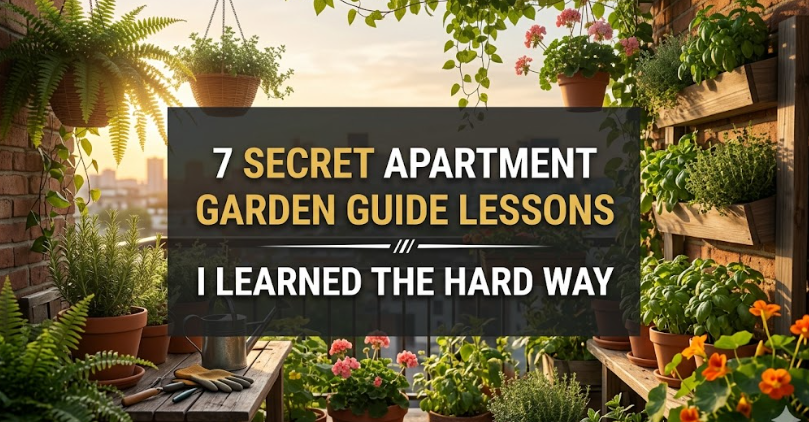
If you’re just starting out, I want to save you from the frustration I went through. These seven tips aren’t just theory — they’re what genuinely changed my results.
1. Understand Your Light Before You Buy a Single Plant
This is the mistake I made first. I walked into a nursery, fell in love with a lemon tree, bought it, brought it home, stuck it in the corner of my living room, and watched it slowly give up on life over the next six weeks.
Here’s the truth: light is everything in apartment gardening, and most beginners completely underestimate it.
Before you buy anything, spend one full day tracking where the sun hits your space and for how long. This sounds excessive but it takes maybe five minutes of actual effort.
A quick light guide for apartments:
| Light Type | Hours of Direct Sun | Best For |
|---|---|---|
| Full Sun | 6+ hours | Tomatoes, peppers, herbs |
| Partial Sun | 3–6 hours | Lettuce, spinach, most flowers |
| Low Light | Under 3 hours | Pothos, snake plant, peace lily |
South and west-facing balconies tend to be goldmines for growing food. East-facing works well for herbs and greens. North-facing? Stick to shade-tolerant houseplants and don’t fight nature.
I use a free app called Light Meter (available on both iOS and Android) to get an actual lux reading from different spots in my apartment. It genuinely changed how I positioned my plants.
2. Start With Forgiving Plants — Not the Ones You Want to Grow
I get it. You want to grow tomatoes, cucumbers, and maybe a lemon tree on your balcony by next month. That ambition is great — eventually. But starting with difficult plants when you’re still learning the basics is a recipe for discouragement.
My go-to beginner recommendations are:
- Herbs: Mint, basil, chives, and parsley are fast growers and give you that immediate win.
- Cherry tomatoes: Way easier than full-sized varieties, and incredibly rewarding.
- Lettuce and spinach: Quick to harvest, tolerant of partial shade, and actually thrive in cooler indoor temperatures.
- Pothos or snake plant: If you’re nervous about keeping anything alive, these are genuinely hard to kill.
Once you build confidence — and start understanding your space’s quirks — you can expand into trickier plants. I didn’t touch my first cucumber until year two, and I’m really glad I waited.
For a deeper look at what plants actually thrive in small spaces, check out these 9 Easy Apartment Garden Guide Plants That Grow Like Crazy — the list there is solid and practical.
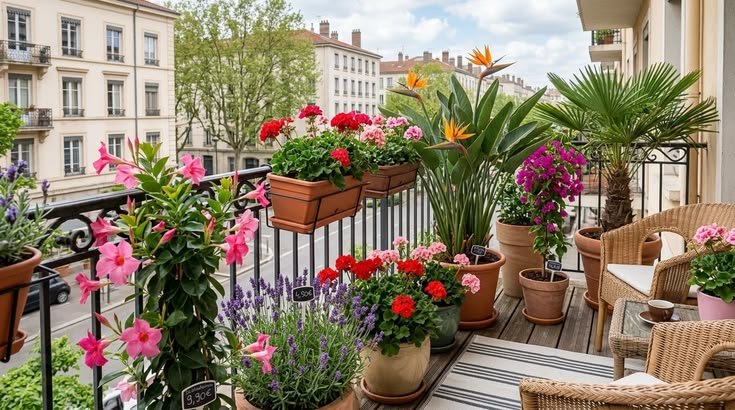
3. Choose the Right Containers (Size Actually Matters More Than You Think)
Here’s something nobody told me: the container is just as important as the plant itself.
I used to grab whatever pots looked cute at the dollar store. Tiny, shallow, with no drainage holes. My plants would sit in soggy soil, roots would rot, and I couldn’t figure out why healthy-looking seedlings kept dying on me.
The rules I now follow:
Always have drainage holes. Non-negotiable. If a pot doesn’t have them, either drill some yourself or use it as a decorative outer pot with a proper nursery pot inside.
Match pot size to the plant. Here’s a rough guide:
| Plant Type | Minimum Pot Depth | Minimum Volume |
|---|---|---|
| Herbs (basil, mint) | 6–8 inches | 1–2 gallons |
| Lettuce/Spinach | 6 inches | 1 gallon |
| Cherry tomatoes | 12–14 inches | 5 gallons |
| Peppers | 10–12 inches | 3–5 gallons |
| Root veggies (carrots) | 12+ inches | 3+ gallons |
Material matters too. Terracotta pots dry out faster — great for herbs, bad for water-hungry plants in summer. Plastic pots retain moisture longer. Fabric grow bags are my personal favorite for balcony vegetables because they improve airflow to the roots and prevent overwatering issues.
4. Get Your Soil Right From Day One
Garden soil from outside? Don’t use it in containers. I made that mistake once — the soil compacted, stopped draining properly, and basically became concrete after a few weeks.
For container gardening, you want a quality potting mix (not “potting soil” — they’re different). Potting mix is lighter and designed for containers. Look for ones that include:
- Perlite (for drainage and aeration)
- Coco coir or peat moss (for moisture retention)
- Compost (for nutrients)
I personally mix my own using a base potting mix plus extra perlite at about a 70/30 ratio. It drains well, holds enough moisture, and my plants have responded noticeably better than when I used store-bought mix straight from the bag.
If you want to go deeper on soil choices and amendments that actually make a difference, these 6 Powerful Apartment Garden Guide Soil Tips for Better Growth cover exactly what I wish I’d known earlier.
5. Water Smarter, Not More Often
Overwatering is the number one killer of apartment plants. And the frustrating part is that overwatered plants often look the same as underwatered ones — drooping, yellowing leaves, sad appearance overall.
The fix isn’t a watering schedule. It’s learning to check.
The finger test: Stick your finger 1–2 inches into the soil. If it’s still moist, wait. If it’s dry, water thoroughly until it drains from the bottom.
The lift test: Pick up your pot. Light? Needs water. Heavy? Still has moisture. This sounds weird but it becomes second nature fast.
I got a cheap wooden moisture meter (less than $10 on Amazon) early on and it genuinely saved a lot of plants. Now I barely use it because I can read my plants intuitively — but for beginners, having that objective measurement helps a lot.
A few more watering habits that helped me:
- Water in the morning when possible — gives foliage time to dry and reduces fungal issues
- Water deeply and less frequently rather than a little every day
- Group plants together to create a bit of humidity around them
For people who travel or get busy, I also started using terracotta water spikes — you fill a wine bottle with water, stick the spike on, and insert it into the soil. It slowly releases water over several days. Absolute lifesaver.
6. Feed Your Plants — But Don’t Overdo It
Potting mix has nutrients in it, but they get used up and washed out within a few months of regular watering. After that, your plants are basically running on empty unless you feed them.
I went through a phase where I thought more fertilizer = faster growth. That’s not how it works. Too much fertilizer burns roots and actually stunts growth or kills plants.
What I use and how:
- Liquid fertilizer (like fish emulsion or a balanced 10-10-10): Every 2–3 weeks during the growing season. Follow the dilution instructions — I usually go slightly below the recommended amount.
- Slow-release granules: Mix into the soil at the start of the season and they gradually release nutrients. Lower maintenance, good for beginners.
- Compost tea: If you have a small compost bin, this is a fantastic natural boost.
For leafy greens and herbs, I lean toward nitrogen-heavy feeds (higher first number in the NPK ratio). For fruiting plants like tomatoes and peppers, switch to a phosphorus and potassium-heavier blend once they start flowering.
Signs you’re over-fertilizing: Brown leaf tips, crusty white deposits on soil surface, sudden leaf drop.
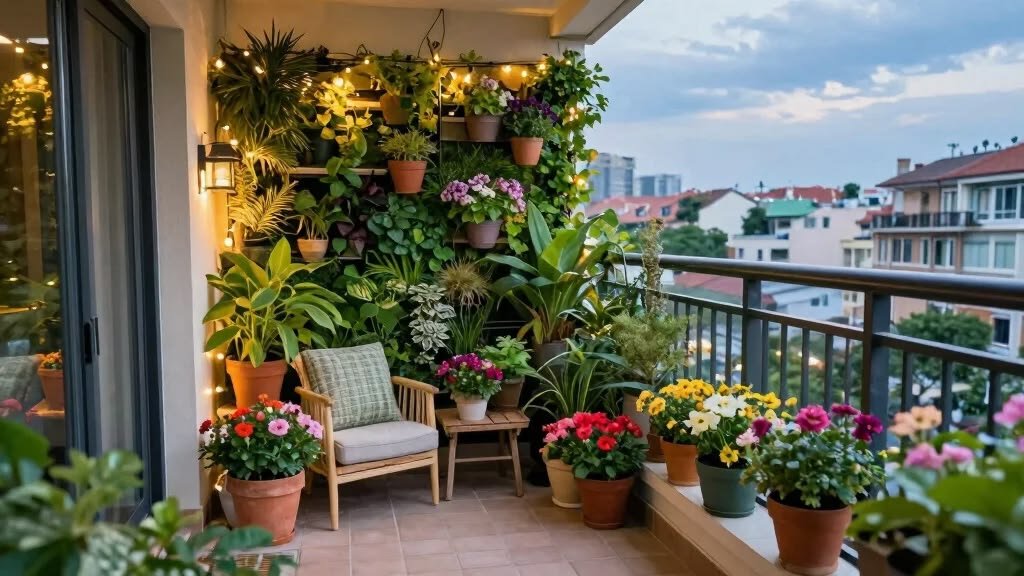
7. Create a Simple Routine and Actually Stick to It
This might sound obvious, but the biggest difference between thriving apartment gardens and dying ones usually isn’t knowledge — it’s consistency.
When I was inconsistent, plants would go from fine to struggling because I’d forget to water for ten days, then overcompensate. I’d miss early signs of pests because I wasn’t really looking. I’d forget to harvest herbs, they’d bolt, and I’d lose the plant.
A simple weekly routine changed everything for me. Mine looks like this:
Daily (2 minutes):
- Quick visual check — anything wilting, yellowing, or looking off?
Every 2–3 days:
- Do the finger/lift test and water anything that needs it
Weekly (15 minutes every Sunday):
- Check for pests (look under leaves — that’s where they hide)
- Prune dead leaves and spent flowers
- Harvest anything ready
- Rotate pots so all sides get equal light exposure
Monthly:
- Fertilize
- Check if any plant has outgrown its pot
- Reassess what’s working and what isn’t
The Planta app is worth mentioning here — it sends you watering reminders based on your plant type, pot size, and local climate. I used it heavily in my first year and it kept me from forgetting things during busy weeks.
If routines and schedules feel overwhelming at first, these 4 Simple Apartment Garden Guide Schedules That Keep Plants Thriving break it down in a really manageable way.
Common Beginner Mistakes Worth Mentioning
Beyond the main tips, here are a few things I see new apartment gardeners do all the time:
Crowding plants together. I know it looks lush, but plants need airflow to stay healthy. Crowding creates the perfect environment for fungal disease and pests.
Ignoring pests until it’s too late. Check under leaves weekly. Aphids, spider mites, and fungus gnats can go from “a few bugs” to “total infestation” surprisingly fast. A simple neem oil spray handles most of them early on.
Buying too many plants at once. It feels exciting, but 15 new plants means 15 things to learn simultaneously. Start with 3–5, get comfortable, then expand.
Giving up after one failure. I killed plants constantly in my first year. Every gardener does. Each dead plant taught me something. The goal isn’t perfection — it’s learning your space.
Final Thoughts
Apartment gardening has genuinely improved my day-to-day life in ways I didn’t expect. It’s not just about the herbs or the tomatoes (though eating food you grew yourself hits differently). It’s the act of caring for something, noticing growth, and building a small green world in a concrete building.
You don’t need a yard. You don’t need perfect conditions. You need a bit of sunlight, the right containers, decent soil, and the patience to observe and adjust.
Start small. Be consistent. Don’t be hard on yourself when things die — that’s just part of it.
And if you want to expand your setup once you’ve got the basics down, these 10 Stylish Apartment Garden Guide Designs That Look Expensive are worth bookmarking — some genuinely creative ideas in there that won’t break the bank.
Want to keep building on these fundamentals? Don’t miss: 10 Easy Apartment Garden Guide Hacks I Wish I Knew Earlier