10 Apartment Garden Guide Designs You Would Never Guess Are Less Than Fancy!
You don’t need a yard to grow a lovely garden. No more room than a small balcony, a sunny windowsill, and perhaps an empty corner of your living room can become the blooming green of your own making. The best part? It doesn’t have to be expensive.
This apartment garden guide will show you 10 beautiful, sleek-looking garden designs that won’t break the bank. Whether it is your first time caring for a houseplant or you’re a seasoned green thumb, there’s something for every space and style here.
Let’s get into it.
Why Apartment Gardens Are Having a Big Moment
Apartment living has never been more popular. And with that shift, the urge to pull nature inside has exploded. Studies indicate that indoor plants alleviate stress, help purify the air, and even enhance productivity.
But apartment gardening is no longer just about health benefits. It has turned into a bona fide design trend.
Social media is full of gorgeous balcony gardens, vertical plant walls, and curated indoor jungles that seem suited to a luxury hotel. The good news is that many of these setups are cheaper than they look. All you need is the right strategy for design.
What Makes a Garden Look Common or Expensive?
Before getting into the designs, it’s useful to understand what differentiates a “cheap” garden setup from something that looks polished and intentional.
| Element | Budget Look | Expensive Look |
|---|---|---|
| Pots & Planters | Mismatched plastic pots | Matching ceramic or terracotta |
| Plant Arrangement | Random placement | Layered heights and groupings |
| Color Palette | No cohesion | 2–3 coordinated colors |
| Lighting | No lighting | Warm fairy lights or spotlights |
| Backdrop | Plain wall | Trellis, tiles, or textured panel |
| Plant Variety | Single plant type | Mix of textures and leaf shapes |
Armed with these principles, here are 10 designs that hit all the notes of luxe.
1. The Minimalist Zen Balcony
Less Is More — And It Shows
One of the most impactful styles in apartment gardening is minimalist zen. It draws on clean lines, empty space, and a very deliberate choice of plants.
Think bamboo in tall, stylish black planters. A large monstera leaf propped against a white wall. A small gravel tray studded with smooth river stones and a lone bonsai tree.
The key here is restraint. You don’t fill every corner. You select a maximum of three to five plants, arrange them with intention, and let the negative space do the work.
Best plants for this style:
- Bamboo
- Bonsai trees
- Snake plants
- ZZ plants
- Peace lily
Color palette: Black, white, and charcoal gray with hits of deep green.
This approach is particularly effective on small balconies because it never seems cluttered. And because you’re investing in fewer, higher-quality planters, the overall cost remains manageable.
2. The Lush Tropical Escape
Transform Your Balcony Into a Verdant Jungle
This style isn’t exactly minimalist — and it can look stunning when done well.
The tropical escape is about density, all of it. Layer big-leafed plants with smaller fillers. Plant climbing vines alongside low ground-cover plants. Introduce dramatic foliage in rich greens, burgundy, and even variegated white-and-green patterns.
The trick to making it look more pricey than messy is to layer by height:
- Tallest plants in the back or corners
- Medium-height plants in the middle
- Trailing or spreading plants at the front or edges
Best plants for this style:
- Bird of paradise
- Philodendron
- Pothos (trailing)
- Elephant ear
- Calathea
Pro tip: Use planters in earthy tones — terracotta, warm beige, deep brown — to ground the wild greenery and give it a cohesive, designed feel.
This style is lush, dramatic, and surprisingly easy to maintain once the plants are established.
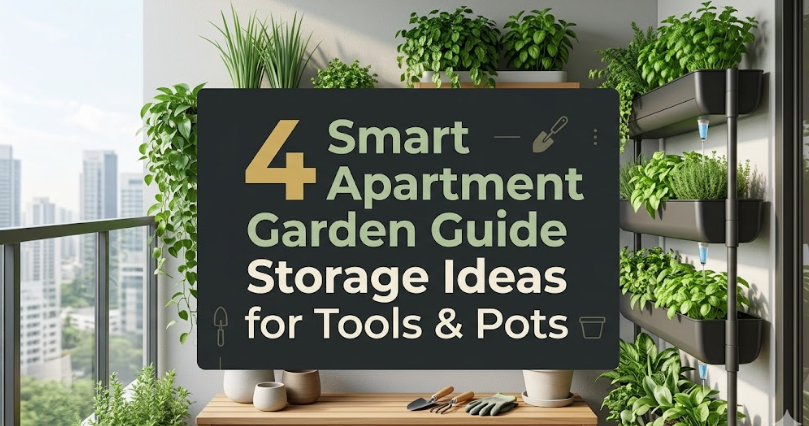
3. The Herb Garden Wall
Functional, Fragrant, and Genuinely Beautiful
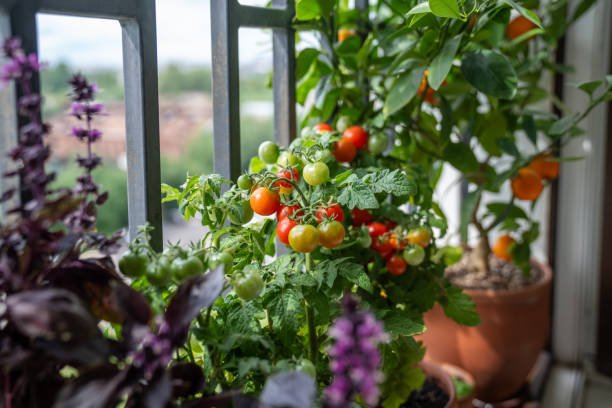
One of the cleverest designs in this apartment garden guide is a vertical herb garden. It’s practical — you’re growing food that you actually use — and it looks wonderfully purposeful.
Hang a wooden pallet or a row of wall-mounted pocket planters on a sunny wall, balcony railing, or patch of kitchen windowsill. Fill each pocket with a separate herb: basil, mint, rosemary, thyme, parsley, chives.
Write the name of each herb on small clay or chalkboard tags. Place a small watering can to the side. Suddenly your functional garden becomes a lifestyle statement.
Why it looks expensive:
- Vertical design makes elegant use of wall space
- Uniform planters create a cohesive grid
- Fresh herbs suggest a thoughtful, curated home
Ideal location: South- or west-facing windows receive the most sun for herbs.
This design shines in small apartments where floor space is at a premium. And it’s incredibly inexpensive to get going — seeds and a basic wall planter system can cost as little as $30.
4. The Monochrome Color Story
One Color, Maximum Impact
Choose one color family (or two related colors) and design your whole garden around it. It is one of the most underrated apartment garden designs.
Think an all-white garden: white planters, white pebble mulch, with touches of white variegated plants such as shining star calathea, white caladium, and silver pothos. The result is calm, elegant, and worthy of a gallery.
Or go all terracotta: warm orange pots, burnt sienna gravel, plants with rusty-red tones such as copper spoon succulents, echeveria, or even attractive red-leaf begonias.
Popular monochrome palettes:
| Palette | Planters | Plants to Use |
|---|---|---|
| All White | White ceramic | Caladium, Peace Lily, Silver Pothos |
| Terracotta Tones | Clay pots | Succulents, Copper Spoon, Red Begonia |
| Black & Dark Green | Matte black | Snake Plant, ZZ Plant, Dark Philodendron |
| Sage & Soft Green | Muted sage | Ferns, Ivy, Pothos |
The monochrome style doesn’t require any interior design skills. You simply choose one color and stick with it. The result always looks purposeful and expensive.
5. The Balcony Vegetable Garden With Raised Bed
Grow Your Own Food in Style
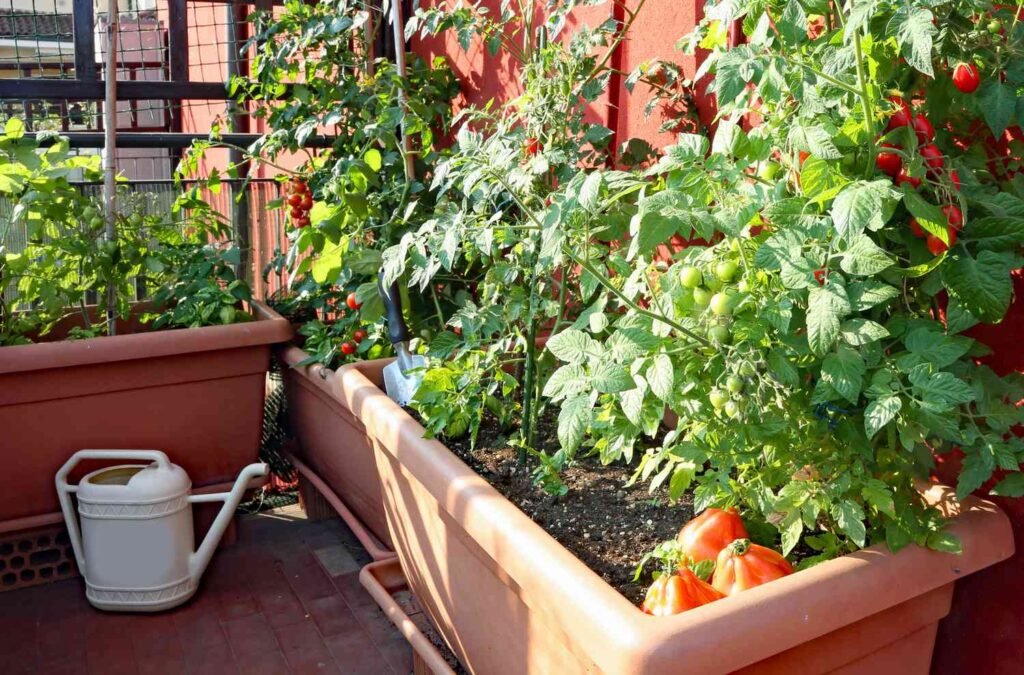
Vegetable gardening in containers has come a long way. Today you can build a raised bed setup on a balcony that looks like it belongs on the cover of a magazine.
Try large cedar wood planters or galvanized metal troughs. Plant tomatoes, peppers, lettuce, and herbs in rows. Put in bamboo stakes or string ties for climbing plants. Top the soil with a layer of dark mulch.
This design looks professional because it is structured. Every detail has meaning, and the vegetable plants’ organic shapes create a striking contrast with the linear design of the containers.
What you’ll need:
- 2–3 large cedar or galvanized planters
- Quality potting mix
- Bamboo stakes
- Drip irrigation (not necessary, but very much worth it)
- Dark mulch
Added perk: You save money on groceries while creating a design element that every visitor comments on.
6. The Hanging Garden Canopy
Suspended Foliage That Stops People in Their Tracks
Most gardeners have thought on the horizontal plane — pots sitting on the floor or stacked up on shelves. But vertical and overhead is where the drama lies.
Hanging garden canopies suspend plants at eye level and above using ceiling hooks, tension rods, or a simple wooden frame. Trailing plants such as string of pearls, burro’s tail, English ivy, and heartleaf philodendron fall downward in dramatic curtains of green.
How to create the look:
- Hang a tension rod or wooden dowel across the width of your balcony or window
- Use macramé plant hangers at varying heights
- Place trailing plants inside each hanger
- Allow them to grow downward for a waterfall effect
Why it looks expensive: High-low layering creates a depth that is hard to achieve any other way. This organic cascade of trailing plants looks like something right out of a high-end boutique or spa. And macramé hangers give an artisanal, handcrafted feel.
This is one of the most Instagrammed apartment garden aesthetics out there — for good reason. It’s stunning.
7. The Desert Chic Succulent Garden
Low Maintenance, High Style
Succulents and cacti have ruled home décor for years — and they are here to stay. A succulent garden looks truly high-end when designed with intention.
The secret is to layer succulents by texture and height. Pair spiny cactus with rosette echeveria. Add a towering, architectural aloe vera. Place them all in matching matte ceramic or concrete planters.
Top dress with white sand, black gravel, or crushed shells. This gives the setup that clean, editorial look you see in design magazines.
Desert chic styling tips:
- Use odd numbers of plants (3, 5, 7) for natural balance
- Vary heights — short, medium, tall
- Pick one or two neutral colors for planters
- Add a piece of driftwood or a large smooth stone for texture
Best succulents for this look:
- Echeveria (rosette varieties)
- Haworthia
- Aloe vera
- Agave
- Sedum
This design is also super beginner-friendly. Succulents require almost no care — a real bonus for busy apartment dwellers.
8. The Cottage Garden Window Box
Old-World Charm in a Modern Space
Window boxes aren’t only for houses. A well-styled window box creates incredible visual appeal and makes even the plainest window look like a feature.
The cottage garden style draws on a mix of flowering plants in soft, romantic colors — lavender, blush pinks, dusty rose, white, and sage green. The appearance is rich and textured but never cluttered, colorful yet soothing.
Best plants for cottage window boxes:
- Lavender
- Trailing petunias
- Lobelia
- Sweet alyssum
- Bacopa
- Mini geraniums
Choose a long, deep window box in black, dark forest green, or an aged wood finish. These tones allow the colorful blooms to stand out dramatically.
Maintenance note: Flowering window box plants require regular watering and deadheading (the removal of spent blooms) to keep looking fresh. But the payoff is huge — you’ll have a constantly changing, seasonally varied display that is relatively cheap to refresh.
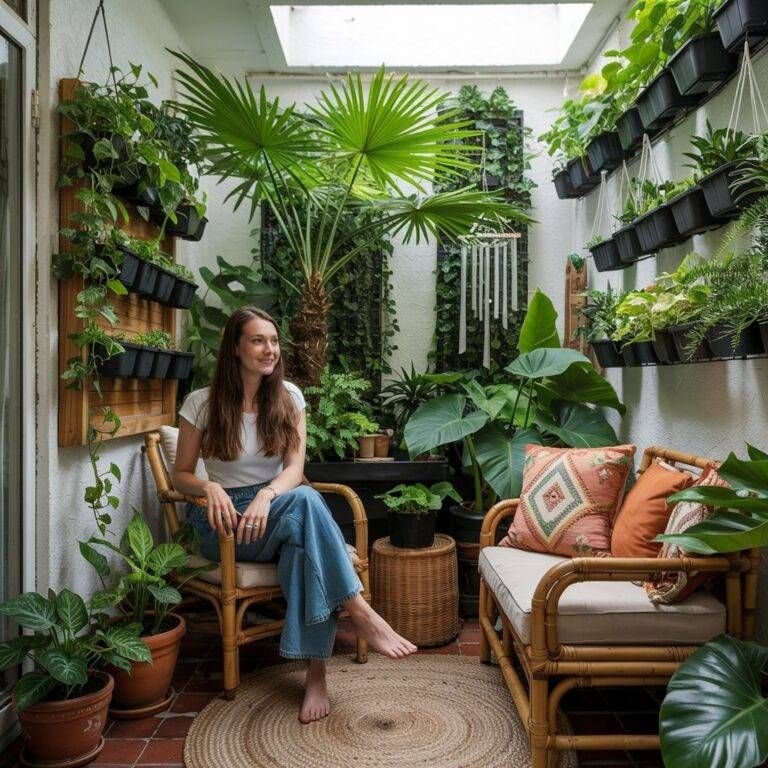
9. The Indoor Jungle Corner
A Statement Corner That Changes the Feel of a Room
A stunning apartment garden doesn’t require a balcony. One dramatic indoor jungle corner can completely transform the feel of a room.
Find a corner with some natural light. Then stack plants from floor to ceiling, using a mix of floor-standing plants, a ladder plant stand or tiered plant shelving, wall-mounted shelves, and hanging planters.
The layering formula:
- Floor level: Big statement plants — fiddle leaf fig, bird of paradise, large monstera
- Medium level: Plant stand with medium-sized plants — pothos, ferns, peace lily
- Higher level: Hanging planters with trailing plants — string of hearts, ivy, tradescantia
- Vertical: Air plants mounted on wood or small mounted ferns
Supplement natural light with a full-spectrum grow light if necessary. Warm-toned bulbs also serve as evening ambient lighting, making the whole corner glow.
This design is a showstopper. Guests always gravitate toward it. And it fits into any apartment style — boho, Scandinavian, modern industrial.
10. The Japanese Courtyard-Inspired Balcony
Peaceful, Purposeful, and Breathtaking
A Japanese garden aesthetic is based on harmony, simplicity, and natural elements. When translated to an apartment balcony, it becomes a space that feels authentically expensive and profoundly soothing.
Core elements of this design:
- Interlocking wood tiles — easily cover a concrete balcony floor
- Bamboo screens — provide privacy and a natural, earthy backdrop
- Moss and ground covers — use mind-your-own-business (Soleirolia) or moss plants in shallow trays
- Bonsai tree — the centerpiece, displayed on a wooden stand at eye level
- Water feature — a compact bamboo fountain brings sound and motion
- Lantern — a stone or ceramic lantern completes the look
Plant choices:
- Japanese maple (in a large pot)
- Moss
- Bamboo (contained)
- Ferns
- Mondo grass
This style requires more effort and investment than some others — the oiled wooden deck, bamboo screens, and bonsai tree don’t come cheap or easy — but the result is a space that feels like a private retreat. It’s peaceful, deliberate, and unlike any other apartment balcony on your block.
Top Tips for Keeping an Apartment Garden Looking Expensive
Stay Consistent With Your Planters Nothing makes a garden look more budget-faster than mismatched pots. Choose one style — ceramic, terracotta, concrete — and use it consistently throughout your space.
Group Plants in Odd Numbers Interior designers swear by the “rule of threes.” Arrangements of 3, 5, or 7 plants always appear more natural and dynamic than even-numbered groups.
Clean Your Leaves Regularly Dusty leaves can make even lovely plants appear shabby. Every few weeks, wipe large leaves with a damp cloth. It makes a huge difference.
Use Mulch or Top Dressing A layer of dark mulch, white pebbles, or black gravel over exposed soil immediately improves the appearance of any planter. It conceals messy dirt and adds texture.
Rotate Your Plants Every week or two, turn each plant a quarter rotation. This promotes even growth and prevents plants from becoming leggy or lopsided.
FAQs About Apartment Garden Design
Q: What is the best apartment garden style for total beginners? The most beginner-friendly is the Desert Chic Succulent Garden. Succulents require hardly any water and tolerate low humidity, making them nearly impossible to kill. The Minimalist Zen style is also great because it uses just a handful of plants.
Q: Can I have a garden if my apartment gets little sunlight? Yes! Several plants thrive in low-light conditions. Consider snake plants, ZZ plants, pothos, peace lilies, and cast iron plants. Or invest in a full-spectrum LED grow light to supplement natural light.
Q: My balcony garden looks cluttered. What should I do? Stick to a few colors for your planters. Take advantage of vertical space to free up floor space. And don’t be afraid of empty space — intentional gaps make a garden look curated, not crowded.
Q: What is the most budget-friendly apartment garden design? The Herb Garden Wall and Cottage Window Box are both incredibly cheap to start. Seeds are inexpensive, and simple planters or window boxes are easy to source. Either design can be started for under $40.
Q: Do I need drainage holes in my apartment planters? Yes, drainage is critical. Without it, water collects at the bottom, roots decay, and plants die. Never use decorative pots without drainage holes unless you plan to add a layer of gravel at the bottom.
Q: How do I keep my jungle corner looking styled rather than messy? It’s all about height, layering, and grouping by leaf size. Large-leaved plants at floor level, medium plants mid-level, and small trailing plants above. Use matching or coordinating planters throughout. And edit ruthlessly — if a plant isn’t thriving, remove it.
Q: Is it safe to add heavy planters to a balcony? Before installing large, heavy planters, check your building’s weight limits. The average balcony can accommodate regular plantings, but oversized raised beds or multiple heavy ceramic pots can add significant weight. When in doubt, lightweight plastic or fabric planters can be dressed up with outer pot covers.
Final Thoughts: Have the Garden of Your Dreams in Your Apartment
Now you have a full apartment garden guide with 10 different styles — from the peaceful Japanese courtyard to the untamed tropical escape. All of them can be tailored to your budget, your space, and your sensibility.
Here’s the most important thing: a garden looks expensive when it looks intentional. You don’t have to invest tens of thousands of dollars. You need a clear idea, harmonious planters, and a well-considered arrangement.
Start small. Choose one style that excites you. Three plants, two matching pots. See how it feels. Then build from there.
You don’t need a large apartment garden to make it beautiful. It just has to be yours.