Four Simple Apartment Garden Guide Schedules That Keep Plants Thriving
I still remember the first time I tried to keep plants alive in my tiny one-bedroom apartment back when I moved to the city. The place had these narrow windows that barely let in enough light, and the air felt drier than a desert most days thanks to the central heating. My initial attempts were a disaster—wilting leaves everywhere, soil that stayed soggy for weeks, and a couple of sad succulents that just gave up after a month. But over the years, through a lot of trial and error, talking to neighbors who also garden on their balconies, and piecing together what actually works in small spaces, I figured out that the secret isn’t buying fancy grow lights or exotic soil mixes right away. It’s about sticking to a simple schedule that fits your life and your apartment’s quirks. These routines have turned my little space into a thriving green corner that actually produces herbs for my cooking and flowers that brighten up dull mornings.
Apartment gardening isn’t like having a backyard where you can just water whenever the mood strikes. You’ve got limited sunlight, pots that can dry out fast or stay too wet, pests that sneak in from open windows, and the constant shuffle of moving things around when you rearrange furniture. The good news is that once you lock in a schedule, your plants stop being a chore and start feeling like low-key companions. They reward you with cleaner air, a bit of fresh produce if you go the edible route, and that satisfying feeling when someone walks in and says, “Wow, how do you keep everything looking so alive in here?” I’ve tested these approaches with everything from snake plants that barely need attention to balcony tomatoes that demand a bit more love, and they’ve held up through hot summers, cold winters, and even a two-week vacation where I had to tweak things on the fly.
In this guide, I’m laying out four straightforward schedules that have kept my plants—and those of friends in similar setups—thriving without turning gardening into a full-time job. These aren’t rigid rules from some expert book; they’re practical, flexible plans I’ve refined from real-life experience in apartments just like yours. Whether you’re a total beginner with one pothos on the windowsill or someone who’s ready to expand to a mini jungle on the balcony, one of these will click. I’ll walk through each one step by step, including why it works, what plants pair best with it, common pitfalls I’ve hit and how to dodge them, and ways to adapt it to your space. Stick with the one that matches your schedule and watch things take off.
The first simple schedule is the daily essentials routine, perfect for people who want quick wins with minimal effort but still see steady growth. This one’s built for folks like me who have a nine-to-five and can’t commit to big weekend projects but don’t want their plants to suffer. The whole thing takes about ten to fifteen minutes a day, spread out in the morning or evening, and it focuses on prevention rather than fixing problems later. The idea came from noticing how my early failures happened because I ignored small signs until they became big ones—like leaves turning yellow from inconsistent light or soil staying too damp overnight.
Here’s how it breaks down in practice. Every morning, start with a quick light check. Open the blinds or curtains fully and rotate each pot a quarter turn so the plants don’t start leaning toward the window like they’re reaching for something. In apartments, light shifts with the seasons or even with neighboring buildings blocking the sun, so this rotation keeps growth even and prevents leggy stems that look stretched and weak. While you’re at it, run your finger an inch into the soil of each plant. If it feels dry at the top, give it a drink, but only then—overwatering is the number one killer in small spaces because pots don’t have the natural drainage of garden beds. I use room-temperature water straight from the tap, letting it sit out for an hour if it’s cold, because chilly water shocks roots and can slow everything down. For most houseplants like pothos, spider plants, or snake plants that do well in low light, this means watering every few days in summer but maybe only once a week in winter when things slow down.
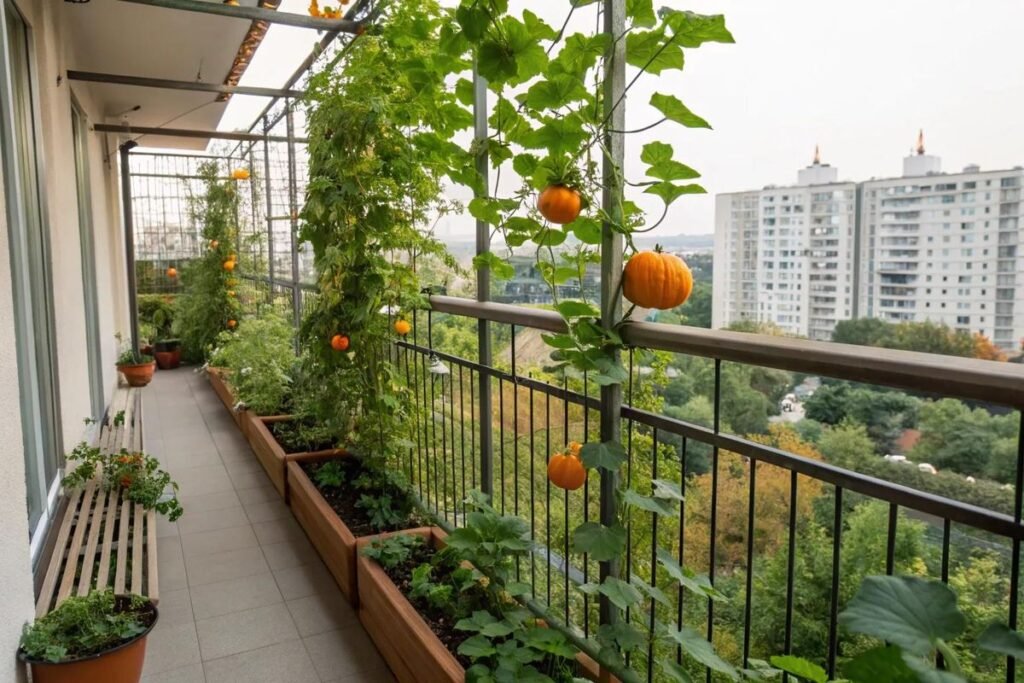
Next, spend a couple of minutes misting the leaves if your apartment air feels dry, which it probably does if you run heat or air conditioning. Apartment humidity often drops below thirty percent, and plants from tropical backgrounds hate that—it leads to crispy edges and spider mites setting up shop. A simple spray bottle does the trick, or you can group plants together on a tray with pebbles and a bit of water to create a mini humid microclimate without any extra work. While misting, wipe down dusty leaves with a soft cloth because dust blocks light absorption and makes plants work harder than they should. I’ve found this daily touch also lets me spot pests early; one time I caught a tiny aphid infestation on my basil before it spread, just because I was already out there looking.
In the evening, do a five-minute wind-down inspection. Check for any drooping or discoloration and note it mentally or in a quick phone note if you’re forgetful like me. This routine builds consistency without overwhelming you, and the plants respond by staying compact and vibrant instead of struggling. For beginners, pair it with forgiving plants: snake plants that store water in their leaves and can go a week without attention, ZZ plants that thrive on neglect, or peace lilies that perk up dramatically when you remember to water. If you’ve got a small balcony, include a couple of herbs like mint or chives here too—they love the daily check and give you fresh snips for dinner.
What makes this schedule thrive in apartments is how it matches the reality of small-space living. Unlike big gardens where nature balances things out, your pots are isolated ecosystems, so daily tweaks prevent the buildup of issues like root rot or nutrient lockout. I’ve seen friends skip this and end up with half-dead collections after a month, but sticking to it turned their spaces around. One neighbor in my building started with just three plants and now has a windowsill full because the routine became second nature, like brushing your teeth. If you’re worried about forgetting, set a phone alarm for the same time each day—mine pops up at 7 a.m. with a cheerful ding, and it feels less like a chore and more like a habit that pays off.
Of course, no schedule is perfect, and I’ve run into hiccups. In winter, when days are shorter, you might need to supplement with a cheap LED grow light clipped to the window for an extra hour or two in the evening. Don’t go overboard though—too much artificial light can stress plants that prefer indirect sun. Also, if your apartment gets really hot in summer, move sensitive plants away from south-facing windows during the peak afternoon blaze to avoid scorched leaves. The beauty here is flexibility; if you travel for a weekend, just water a bit extra the day before and group them in the bathroom for humidity.
Expanding on why daily checks matter, think about plant biology in confined spaces. Roots in pots can’t spread out like they would in soil, so they rely on you for steady moisture and oxygen. Letting the top inch dry out between waterings encourages deeper roots and prevents fungus gnats that love constantly wet soil. I’ve read in gardening forums how people swear by this approach, and it matches what I’ve observed—my collection went from surviving to actually flowering because of it. For edibles, this routine shines with microgreens or lettuce starts on a sunny ledge; a daily mist and soil check keeps them tender and ready to harvest in weeks.
If you’re just starting out, begin small. Pick three plants that match your light levels—low light for north windows, brighter for south—and track how they respond for two weeks. You’ll quickly see which ones need a slight adjustment, like more misting for ferns or less water for succulents. Over time, this schedule builds your confidence without burnout, and before you know it, you’re adding more because it feels easy and rewarding.
The second simple schedule is the weekend wellness plan, designed for busy professionals or anyone who prefers batching tasks rather than daily fiddling. This one’s my go-to when life gets hectic with work deadlines or family stuff, because it condenses care into one or two focused sessions on Saturday or Sunday, leaving the rest of the week free. It works especially well in apartments where you might not be home every day to notice changes, and it emphasizes deeper maintenance that keeps everything balanced without constant monitoring.
Kick off the weekend with a full walkthrough of your space. Spend twenty minutes assessing each plant’s condition: soil moisture with the finger test or a cheap moisture meter if you want precision, leaf health, and any signs of pests like webbing or sticky residue. Water only what’s needed—most indoor plants in apartments prefer this less-frequent approach because constant small sips can lead to shallow roots. I aim for a thorough soak until water runs out the drainage holes, then let the saucers empty completely to avoid standing water that invites root problems. For balcony setups, this is when I check the bigger containers too, making sure they’re not waterlogged after rain or dried out from wind.
After watering, rotate all the pots and wipe leaves to keep them efficient at photosynthesis. Dust buildup in city apartments is real, especially near windows, and cleaning it off once a week boosts growth noticeably. Then move to pruning: snip off any yellow or brown bits with clean scissors, and pinch back leggy growth on herbs or trailing plants like pothos to encourage bushier shapes. This is also the time for a light feeding if it’s the growing season—spring through fall, I use a diluted balanced fertilizer every other weekend. In winter, skip it entirely since plants rest and don’t need the extra nutrients, which could burn roots instead.
The weekend plan includes a quick soil refresh if things look compacted. Top-dress with a thin layer of fresh potting mix or worm castings for a natural boost without full repotting. For edibles on the balcony, like cherry tomatoes or peppers, this is when I add support stakes or trellises if vines are climbing, and harvest anything ready to keep production going. I’ve found that grouping tasks like this makes it feel productive rather than scattered—it’s like a mini spa day for your plants.
This schedule thrives because it respects apartment realities like variable light and dry air while giving plants the deep care they need periodically. Weekly deep watering encourages stronger roots that handle fluctuations better, and the pruning prevents energy waste on dying parts. Friends who’ve adopted it report fewer pest issues since they’re catching problems early during the focused session. One buddy in a studio with a tiny balcony started growing basil and thyme this way; his weekend routine turned a few pots into a steady supply of fresh herbs for pasta, and he says it reduced his grocery bill without extra daily hassle.
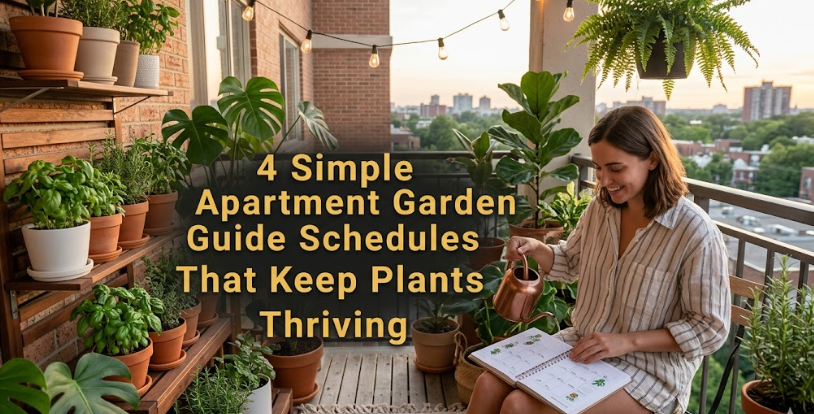
Potential challenges include forgetting between weekends, so I keep a simple notebook or app note with plant names and last care date. If a plant starts looking thirsty mid-week, a quick splash won’t hurt, but stick mostly to the plan. In super dry climates or during heating season, add a humidifier or pebble trays on weekends to last through the week. For low-light apartments, this pairs great with grow lights on timers that run automatically, freeing you from daily adjustments.
Diving deeper, the science behind weekend care is all about mimicking natural cycles in an artificial environment. Plants in the wild deal with rain events followed by dry spells, so weekly thorough watering followed by drying mimics that and reduces disease risk. Fertilizing on this cadence supplies nutrients without overload, especially important in pots where excess salts build up faster than in ground soil. I’ve experimented with different fertilizers—liquid ones mix easy and absorb quick, while slow-release granules last longer for forgetful gardeners.
For variety, tailor the weekend session to your collection. If you’re heavy on succulents and cacti, cut watering to every other weekend and focus more on cleaning and rotating. Herbs and leafy greens need the full soak and a bit of fertilizer boost. Balcony gardens benefit from checking for wind damage or overcrowding during these sessions, maybe thinning out a few seedlings to give others room. Over months, you’ll notice patterns—my monstera, for instance, always perks up after a weekend prune and feed, sending out new fenestrated leaves that make the whole corner pop.
This approach has kept my own setup alive through busy periods like moving apartments or travel. Last year, I was away for ten days and prepped everything with an extra weekend soak and some self-watering spikes; everything survived beautifully. It’s proof that consistency in batches beats sporadic daily efforts for many people.
The third simple schedule is the herb and kitchen garden cycle, tailored specifically for edible plants in apartments where space is at a premium but you want fresh flavors at your fingertips. This one’s a game-changer if you’re tired of buying wilted supermarket herbs that go bad in days. It combines weekly checks with monthly deeper work, focusing on high-turnover crops like basil, mint, parsley, chives, and even compact veggies such as lettuce or dwarf tomatoes. The cycle keeps production steady year-round, even in limited light, by emphasizing quick harvests and succession planting.
Start each week with a harvest-and-check day, say mid-week when you’re cooking anyway. Snip what you need from the tops of herbs—this actually encourages more growth because many herbs respond to cutting by branching out. Then inspect soil and water as needed, always using the finger test to avoid sogginess that leads to mildew in humid kitchen spots. Apartment windowsills are ideal here, but if light is low, a small grow light makes all the difference for consistent flavor and yield. I rotate my pots daily during this check to even out sun exposure, which prevents one side from getting leggy while the other thrives.
Every two weeks, give the soil a light top-dress with compost or a diluted organic fertilizer to replenish nutrients that get depleted fast in edibles. These plants are heavy feeders compared to decorative houseplants, so skipping this leads to yellowing and reduced harvests. Prune any flowering stems on basil or mint unless you want seeds, because once they bolt, the leaves turn bitter. For balcony setups, this cycle includes checking containers for drainage after rain and adding mulch to retain moisture without constant watering.
Monthly, do a full refresh: repot any plants that have outgrown their containers, starting new seeds or cuttings for succession so you always have young, productive ones. This prevents the “one big harvest then nothing” problem I’ve seen in beginners. Clean the area thoroughly too—kitchen gardens attract fruit flies if debris builds up, so wiping trays and pots keeps things sanitary.
What sets this schedule apart for apartments is its focus on utility and speed. Herbs grow fast in small pots, and the cycle maximizes that by harvesting often and replanting often. It turns limited space into a productive zone without needing a huge balcony. My kitchen windowsill setup started as an experiment with three pots and now supplies enough for salads, teas, and garnishes most weeks. The plants stay compact because of regular pruning, fitting perfectly on narrow ledges or hanging planters.
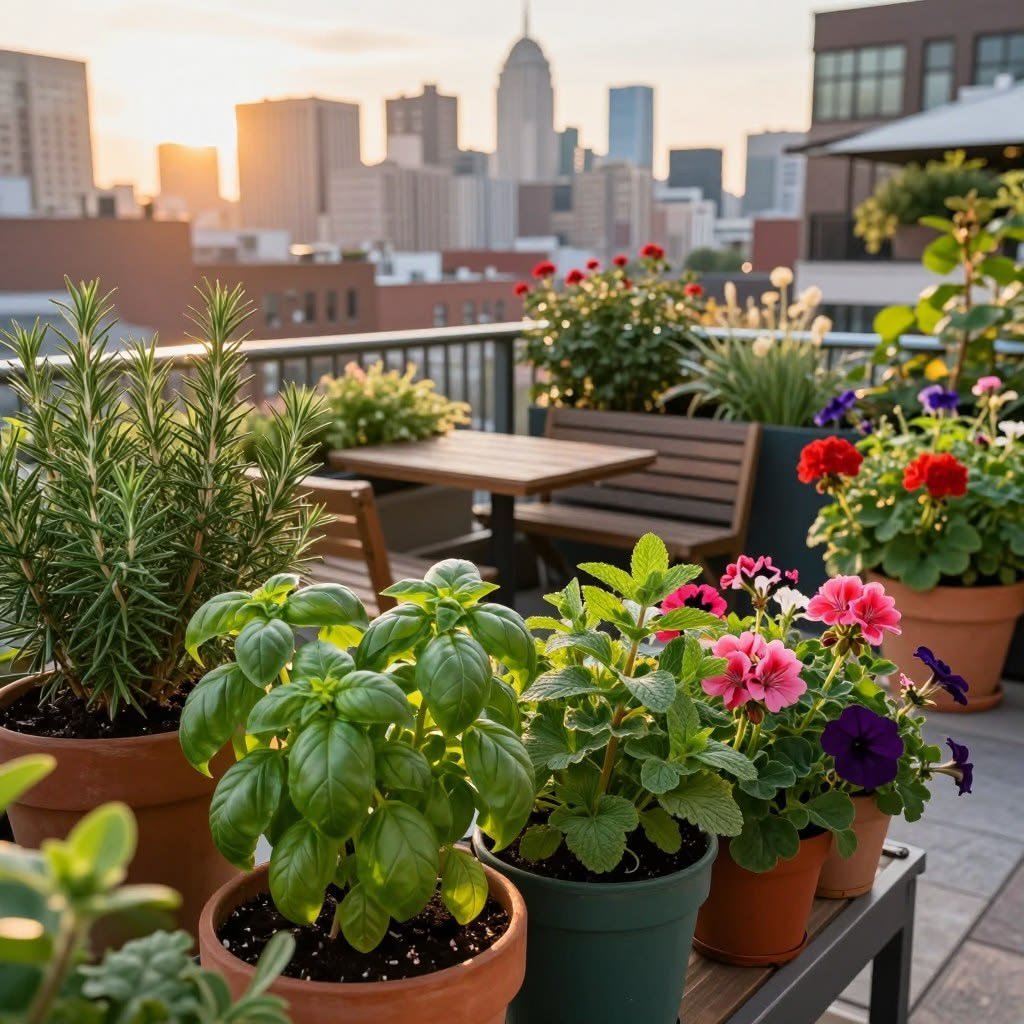
I’ve learned through mistakes that matching plants to light is crucial here. South-facing windows work for sun-lovers like rosemary and thyme, while shadier spots suit mint and parsley. If your apartment faces north, lean on grow lights or choose shade-tolerant varieties. Pests like aphids love tender new growth, so the weekly checks let you spray neem oil early before they take over. One summer, my balcony thyme got hit hard until I incorporated a monthly soap spray into the routine—now it’s bulletproof.
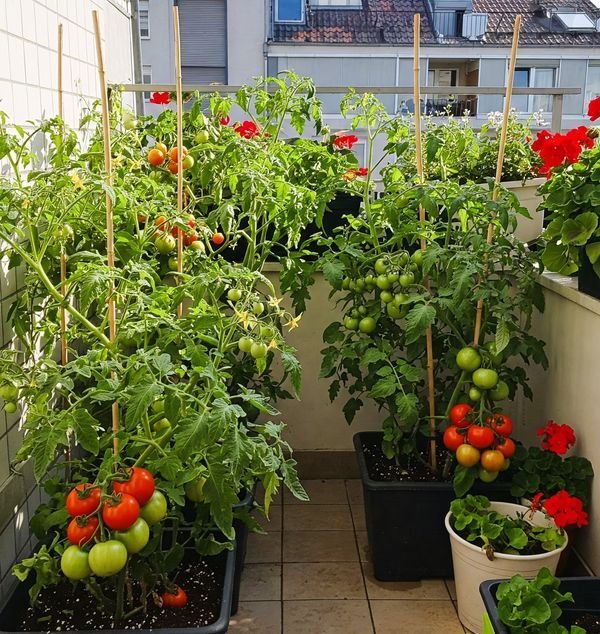
Expanding on the benefits, this cycle supports biodiversity in your tiny ecosystem. Different herbs attract beneficial insects if outdoors, or just add fragrance indoors that masks city smells. Nutritionally, fresh picks beat store-bought every time, and the schedule builds soil health over time with organic additions. For families or shared apartments, it becomes a group activity—kids love helping with harvests, turning it into a fun ritual rather than solo work.
Adaptations make it versatile. In hot summers, water more frequently during weekly checks because containers heat up fast. In winter, reduce fertilizer and focus on light to prevent spindly growth. If space is ultra-tight, use vertical planters or stackable pots to layer the garden without crowding floors. The key is observing your specific setup; what works in one apartment might need tweaking in another due to drafts or humidity.
This schedule has been a lifesaver for me during budget-tight months, cutting grocery costs while giving that satisfying homegrown vibe. Friends who copied it report the same—sudden confidence in cooking because ingredients are steps away, always fresh.
The fourth simple schedule is the full apartment jungle maintenance guide, for those with a growing collection who want everything lush and balanced without chaos. This one blends elements of the others into a monthly core with lighter weekly touches, ideal for mixed indoor and balcony setups where you have a dozen or more plants. It’s about creating harmony across your space so the whole collection supports itself—trailing vines shade ground plants, herbs deter pests naturally.
Begin with weekly spot checks: quick water where needed, rotate for light, and mist or wipe leaves. This keeps momentum without deep dives every day. Then, once a month, dedicate an hour or two to the full routine. Test all soils, water thoroughly, fertilize during growth months with a balanced mix, and prune strategically to shape and propagate. Repotting happens here too—every plant gets assessed, and only those showing root-bound signs get fresh soil and bigger pots. For balcony gardens, include cleaning gutters or trays to prevent clogs and checking for structural stress on railings from heavier pots.
Seasonally, adjust the monthly deep care: ramp up watering and feeding in spring and summer when light increases, dial back in fall and winter. Add humidity boosts like group pebble trays or a small humidifier if leaves crisp up. This schedule also incorporates pest management proactively— a monthly neem or insecticidal soap application prevents outbreaks that spread fast in close quarters.
The strength of this jungle schedule lies in its holistic view. In apartments, plants interact more than in open gardens, so regular full maintenance prevents imbalances like one plant hogging light or nutrients. My collection includes everything from tall fiddle leaf figs to low succulents, and this routine keeps them all healthy by catching issues early. It feels like tending a small ecosystem rather than individual pots.
Common pitfalls I’ve navigated include over-fertilizing, which causes salt buildup and leaf burn—always dilute and flush soil occasionally with plain water during monthly sessions. Light mismatches cause the most drama, so I move plants around during deep cleans based on seasonal changes. Vacations get handled by self-watering systems or asking a neighbor for one quick check-in.
Biologically, this approach sustains long-term health by cycling nutrients and pruning for airflow, reducing fungal risks in humid corners. It encourages propagation too—cuttings from healthy prunings become new plants, expanding your garden for free. For edibles mixed in, it ensures continuous yield without exhausting the soil.
I’ve refined this over years of adding plants, and it scales beautifully. Start with fewer and build; the monthly anchor makes expansion manageable. In my current apartment, it supports a balcony veggie patch alongside indoor foliage, all thriving with minimal stress.
Wrapping this up, these four schedules aren’t about perfection but about finding what fits your rhythm and apartment constraints. Start with one that matches your time and plant goals, tweak as you observe, and you’ll see results faster than you expect. The real magic happens when gardening stops feeling like work and becomes part of your daily or weekly flow—cleaner air, better mood, and maybe even a few homegrown meals. If your space feels a bit barren now, pick a schedule and a couple of easy plants to test it. Before long, you’ll wonder how you ever lived without that green touch. I’ve been there, and trust me, it’s worth the small effort. Your future self—and your thriving plants—will thank you.