7 Secret Apartment Garden Guide Lessons I Learned the Hard Way
I still laugh when I think about how it all started. Three years ago I moved into this shoebox of an apartment on the fourth floor of an old building downtown. The place had exactly one balcony the size of a yoga mat and two south-facing windows that caught maybe four hours of direct sun if the neighbor’s laundry wasn’t flapping in the way. I was fresh off a breakup, tired of staring at blank walls, and convinced that growing my own tomatoes would somehow fix everything. I ordered a bunch of seeds online, bought the cheapest bags of “garden soil” from the hardware store, and went to town. By week six every single plant was either leggy, yellow, or dead. My first harvest? Zero tomatoes, one very sad basil that smelled like regret.
That disaster kicked off what became my unofficial masterclass in apartment gardening. I didn’t read fancy books or watch perfect Instagram reels. I just kept killing things until I figured out what actually worked. These seven lessons aren’t the pretty, filtered kind you see online. They’re the gritty, sweat-stained, “I cried over a dead zucchini” kind. The kind you only learn when you’ve got limited space, limited light, and zero tolerance for more failure. If you’re crammed into a city apartment and dreaming of fresh herbs on your windowsill or cherry tomatoes dangling off your railing, these are the secrets I wish someone had whispered to me before I wasted three growing seasons and way too much money.
Lesson 1: Cheap potting soil will ruin your life faster than you can say “root rot”
The first time I planted anything I thought soil was soil. I mean, dirt is dirt, right? Wrong. I filled my brand-new terracotta pots with straight-up garden soil from the discount rack because it was half the price of the fancy stuff. Within ten days my seedlings were drowning in their own little swamp. The soil compacted like concrete, water sat on top like a pond, and the roots turned black and mushy. I lost an entire tray of peppers and half my herbs before I even knew what root rot was.
Here’s the dirty little secret nobody tells you when you’re starting out: apartment plants live in tiny prisons. Their entire world is whatever is inside that pot. Regular garden soil is meant for the ground where earthworms and microbes can loosen it up forever. In a container it turns into a brick that suffocates roots and traps moisture. I learned this the hard way after replacing every plant twice. The fix was simple but expensive at first—proper potting mix with perlite, vermiculite, and coconut coir. I started mixing my own once I got the hang of it: one part peat or coir, one part perlite, a handful of compost, and a sprinkle of worm castings. It cost me about a third of what the bagged stuff did after the first batch, and my plants stopped throwing tantrums.
I still remember the summer I finally got it right. My balcony tomato plant went from a sad, spindly thing to a beast that produced forty-seven tomatoes before August ended. The difference wasn’t magic. It was drainage. Now I drill extra holes in every pot I buy, no matter what the label says. I add a layer of broken terracotta shards or packing peanuts at the bottom so water never pools. If you skip this step, you’re basically signing a death warrant for anything that isn’t a cactus. Trust me, I’ve signed that warrant more times than I care to admit.
Lesson 2: Watering “when the soil feels dry” is a lie that will kill your plants in small spaces
I used to stick my finger in the soil every morning like some kind of plant whisperer. If the top inch felt dry, I watered. Sound familiar? That method almost wiped out my entire windowsill collection during a two-week heatwave. The problem is apartments have weird microclimates. One side of the same pot can be bone-dry while the middle is still soggy because air circulation is terrible and humidity swings like crazy between day and night.
I learned this after coming home from work to find my mint plant completely wilted even though I’d watered it the night before. The soil surface was dry but two inches down it was a swamp. Roots were rotting from the bottom up. That’s when I bought a cheap moisture meter—the kind with a long probe—and started actually measuring instead of guessing. Game changer. Now I water based on real data, not feelings. For most herbs and leafy greens I let the top two inches dry out completely. For fruiting plants like tomatoes or peppers I keep it a little more consistent but never let it stay wet for more than a day.
Another trick I picked up after too many drowned basil plants: bottom watering. I set the pots in a shallow tray of water for twenty minutes and let the soil suck it up from below. No splashing on leaves, no fungus gnats partying in the top layer. In winter when the heater is blasting and the air is drier than a desert, I mist the leaves in the morning but never at night—nighttime moisture in a closed apartment is just asking for mildew. I also started using self-watering inserts for the really thirsty plants. Not the cheap plastic kind that still flood everything, but the ones with a reservoir and a wick. They saved my sanity during business trips when I couldn’t water for days.
The biggest mindset shift was accepting that “consistent” doesn’t mean “every day at 7 a.m.” It means paying attention to the weather, the season, and the specific plant. My monstera in the corner only needs water every ten days in winter but twice a week in summer. I keep a little notebook by the window now—yes, a physical notebook like some kind of gardening grandpa—because my phone notes get lost in the chaos of life. Sounds old-school, but it works.
Lesson 3: Your apartment “bright indirect light” is probably a lie too
I can’t tell you how many times I read the phrase “bright indirect light” on a plant tag and thought, great, my living room window will do. Then the plant stretched toward the glass like it was trying to escape prison. Apartment light is deceptive. What feels sunny to you is often barely enough for a fern. I learned this after my first crop of microgreens turned into pale, sad strings because the window I trusted only got morning sun filtered through a tree and a neighboring building.
The secret weapon I discovered after months of trial and error was a cheap light meter app on my phone. I walked around the apartment at different times of day and wrote down the actual foot-candles each spot got. Turns out my “sunny” balcony only hit 800 foot-candles at noon in June and dropped to almost nothing by October. That’s barely enough for lettuce. For tomatoes or peppers you need closer to 2000-3000. I ended up buying a couple of full-spectrum grow lights—the clamp-on kind that don’t look like alien technology. I run them on timers: fourteen hours in summer, sixteen in winter. The difference was ridiculous. My second-year tomato plants actually produced enough for salsa instead of just enough for one sad sandwich.
I also started rotating pots every few days so no side got neglected. And I painted a couple of walls white to bounce light around the room. Cheap trick but it added measurable brightness. The biggest lesson here is that plants don’t read the labels either. They just react to what you actually give them. I killed a perfectly good lemon tree because I assumed the corner by the sliding door was bright enough. It wasn’t. Moved it six feet closer to the window and suddenly it was throwing out new leaves like it was on steroids.
Lesson 4: Vertical space is your best friend until it becomes your worst enemy
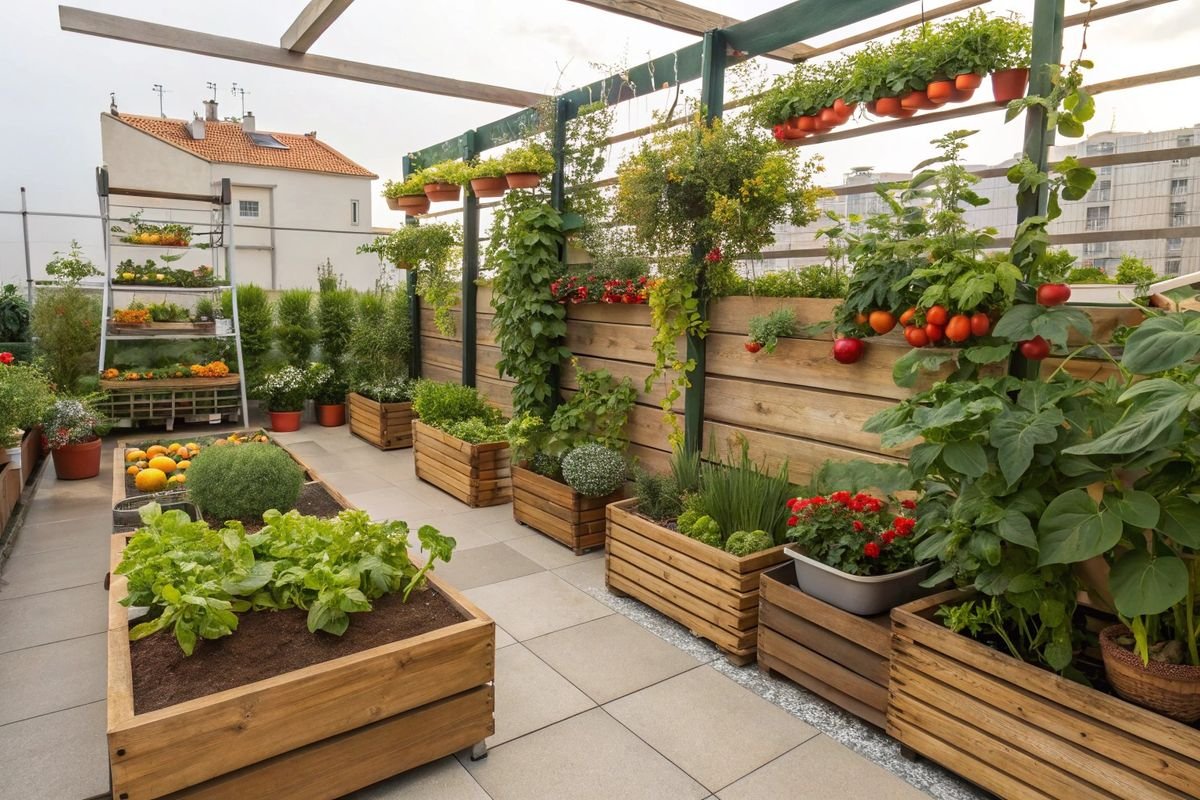
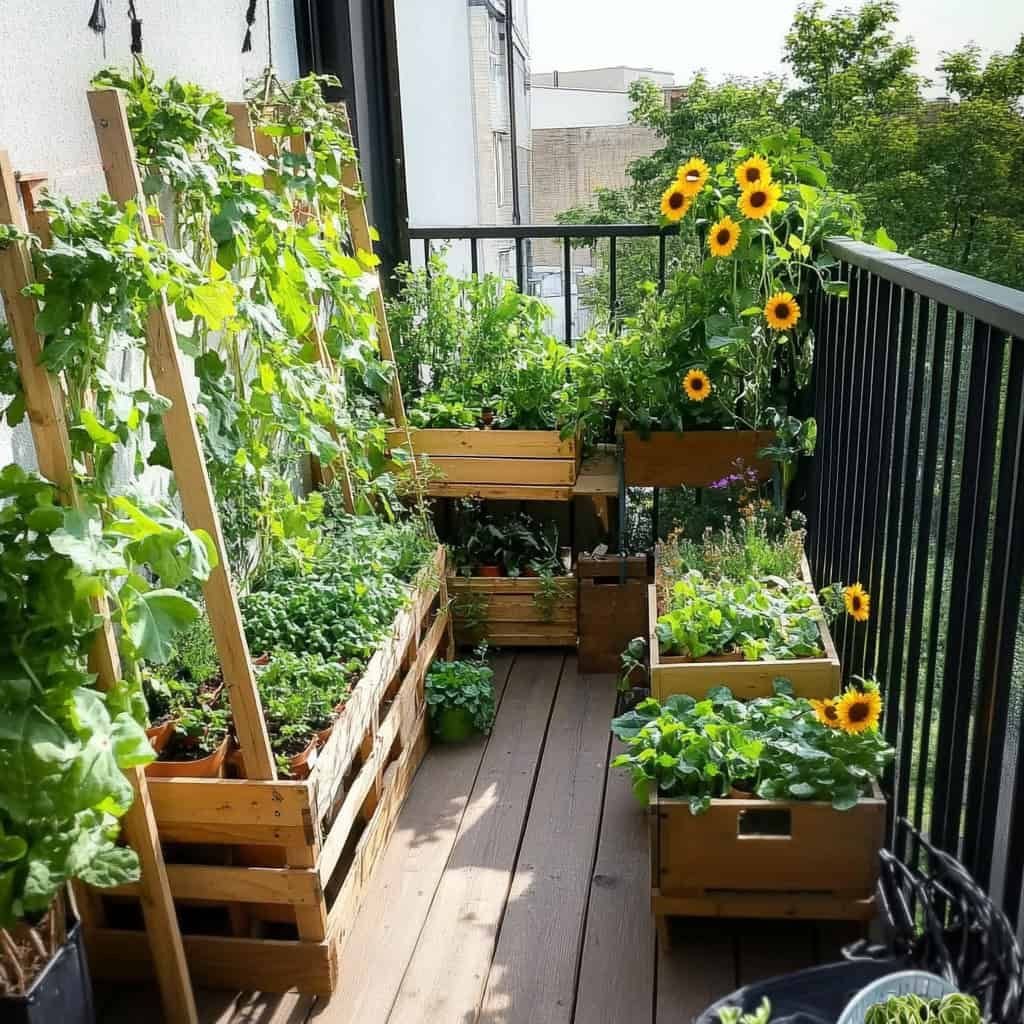
I went a little crazy with vertical gardening after my first successful herb harvest. I bought those pocket planters, hanging rails, wall pockets—you name it. My balcony looked like a jungle exploded. For about three weeks it was glorious. Then the weight of wet soil and growing plants started pulling the railing screws loose. One stormy night I heard a crash and discovered my entire cucumber vine had ripped free and was dangling like a sad green curtain three stories above the parking lot.
That was the day I learned about structural limits. Now I use lightweight materials only—fabric grow bags instead of heavy ceramic, metal brackets rated for twice the weight I actually use, and tension rods inside window frames instead of drilling into rental walls. I also learned to stagger heights so air can circulate. Crowded vertical gardens create humid pockets that invite mold and pests. My current setup has trellises made from old bamboo skewers and twine. Cheap, easy to replace, and the plants seem to like the natural feel.
The real secret is pruning aggressively. I used to let everything sprawl because I thought more growth meant more food. Turns out in small spaces you have to train plants like bonsai masters. Pinch off suckers on tomatoes, cut back basil before it flowers, and keep vining plants in check. My balcony now produces more in half the space because I’m not letting the plants fight each other for light and air.
Lesson 5: Apartment pests don’t announce themselves—they just show up and multiply
I thought I was safe from bugs because I was on the fourth floor. Nature had other plans. One morning I noticed tiny webs on my rosemary. Spider mites. By evening they had spread to three other plants. I panicked and sprayed everything with neem oil at full strength. Burned the leaves, smelled up the whole apartment for days, and the mites laughed and kept multiplying.
The lesson that actually worked came after I calmed down and started prevention instead of reaction. I quarantine every new plant for two weeks now, no exceptions. I check undersides of leaves with a magnifying glass every time I water. And I keep a spray bottle of homemade insecticidal soap—dish soap, water, and a drop of peppermint oil—ready at all times. For aphids I use a strong blast of water in the shower followed by the soap. For fungus gnats I let the soil dry out more and sprinkle the top with diatomaceous earth. No chemicals, no drama.
The biggest game-changer was beneficial insects. I ordered ladybugs online and released them on my balcony at dusk. They went to war on the aphids and I felt like a proud parent. Just make sure you close the windows first or you’ll be chasing ladybugs around your living room for a week.
Lesson 6: Fertilizer is not plant candy—it’s more like rocket fuel
I overfertilized my first balcony garden so badly that the leaves turned brown at the edges and the plants stopped growing altogether. I thought more food meant more tomatoes. Turns out I was basically salting the soil until the roots couldn’t drink anymore. Apartment containers have no natural nutrient cycle. Once the initial potting mix nutrients are gone, you have to feed, but you have to do it right.
I switched to a half-strength liquid fertilizer every two weeks during growing season and nothing in winter. I also started making my own compost tea from kitchen scraps and worm castings. It smells like a swamp but my plants love it. Banana peels soaked in water for potassium, eggshells crushed for calcium—simple stuff that actually works. The secret is consistency and moderation. I keep a calendar reminder now because I used to forget and then panic-feed everything at once.
Lesson 7: Some plants are apartment liars and you need to stop falling for them
I wasted two years trying to grow things that were never going to be happy in my space. Full-sun vegetables in a shady balcony, tropicals that needed 70% humidity when my heater dropped it to 30%. The real secret is brutal honesty about your conditions and choosing plants that laugh in the face of those conditions.
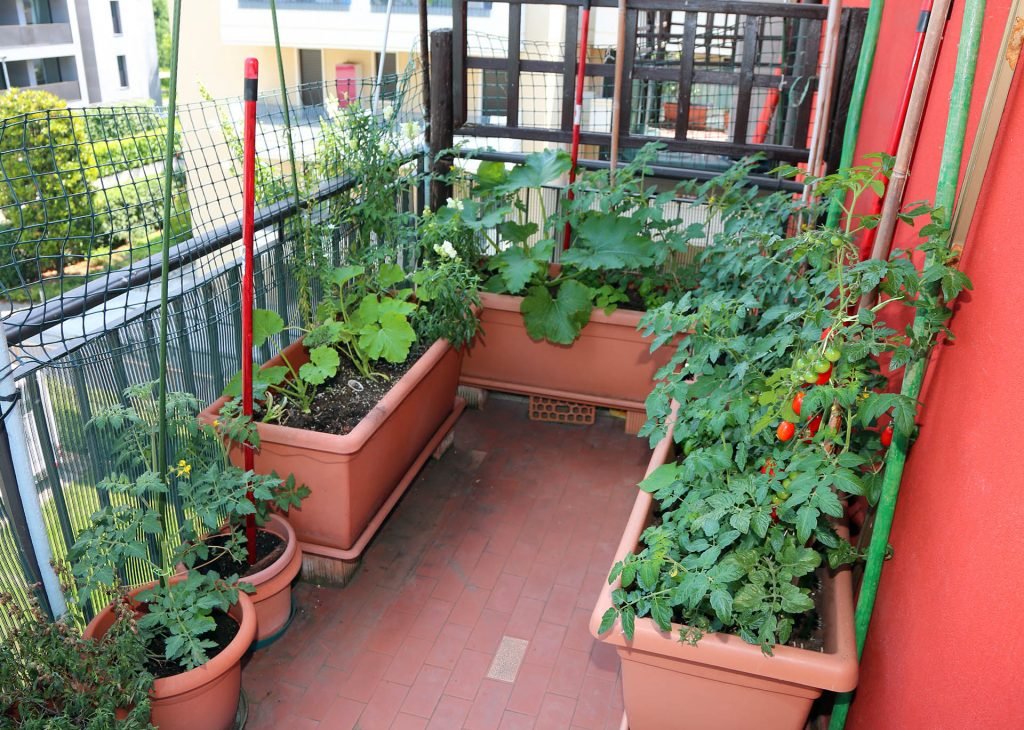
Now I grow mostly herbs, leafy greens, cherry tomatoes, strawberries, and a few resilient houseplants. I gave up on zucchini after it took over my entire balcony and still produced nothing edible. I gave up on carrots because the pots weren’t deep enough. I embraced radishes, scallions, and perpetual spinach instead. They actually finish their life cycle before I get bored or the season changes.
The plants that taught me the most were the ones that survived my mistakes. My aloe vera that lived through two floods and a month of neglect. The pothos that keeps growing no matter what corner I stick it in. Those survivors became my baseline. If a new plant can’t handle the same abuse as my pothos, it doesn’t get a spot.
Looking back, every dead plant taught me something. Every yellow leaf was a data point. Every tiny harvest felt like a victory parade. My apartment isn’t some perfect greenhouse. It’s still small, still noisy from the street, still gets too hot in summer and too dry in winter. But now it’s alive. There are tomatoes ripening on the railing, basil that smells like summer every time I brush past it, and a little strawberry plant that somehow keeps producing even when I forget to water it for four days.
If you’re just starting out, expect to kill some things. It’s part of the deal. Take notes, laugh at the disasters, and keep going. The first time you eat a salad made from greens you grew on your windowsill, it hits different. It tastes like stubbornness and sunlight and all the mistakes you turned into lessons. That’s the real secret. Not the perfect soil mix or the right light schedule—though those help—but the willingness to fail forward until your tiny apartment starts feeling like a garden.
I’m still learning. Last week I tried a new variety of Thai basil and it bolted in three days. Yesterday I harvested my first ever balcony eggplant—small, a little ugly, but mine. There will be more failures. There will be more lessons. But that’s the beautiful part of apartment gardening. You don’t need a yard. You don’t need perfect conditions. You just need to show up, pay attention, and keep trying even when the plants seem determined to break your heart.