Let me be honest with you — when I first moved into my apartment three years ago, I killed a cactus. A cactus. If that doesn’t tell you where I started on the plant-parent journey, nothing will.
But here I am now, with a balcony full of greenery, herbs growing on my kitchen windowsill, and a living room that genuinely looks like someone who knows what they’re doing lives there. The difference? I stopped picking plants based on how pretty they looked at the nursery and started picking them based on how well they’d actually survive my lifestyle — small space, inconsistent watering, mixed light conditions.
So if you’re sitting in your apartment wondering whether you can actually grow anything worth keeping alive, this list is for you. These aren’t just “easy plants.” These are plants I’ve personally grown, researched, gifted to friends, and in some cases, watched dramatically fail before figuring out what they actually need.
1. Pothos (Epipremnum aureum) — The Apartment MVP
I’ll start here because honestly, if you own one plant, it should be this one.
Pothos is basically unkillable. I’ve left mine without water for two weeks during a vacation, come home to slightly droopy leaves, given it a good drink, and watched it bounce back within 24 hours. It trails beautifully from shelves, works in low light, and grows fast enough that you actually feel like a successful plant parent.
It also propagates ridiculously easily — just cut a stem below a node, pop it in water, and within two weeks you’ve got roots. I’ve filled three extra pots just from one original plant.
Watch out for: overwatering. The roots rot fast if the soil stays soggy. I water mine only when the top inch of soil feels dry.
2. Snake Plant (Sansevieria / Dracaena trifasciata) — For People Who Forget Plants Exist
My snake plant sits in a corner of my bedroom that gets maybe two hours of indirect light a day. I water it roughly once every three weeks. It has never, not once, looked unhappy.
Snake plants are perfect for apartments because they tolerate low light, irregular watering, and neglect with an almost offended indifference. They also purify air — NASA’s famous clean air study listed them among the top air-filtering houseplants, removing toxins like formaldehyde and benzene.
They grow slowly, which means they don’t outgrow their pots quickly. One snake plant I bought four years ago is still in its original container.
Pro tip: These plants are toxic to pets, so if you’ve got cats or dogs that like to chew things, keep them out of reach.
3. Spider Plant (Chlorophytum comosum) — The One That Grows Babies
Spider plants are one of those plants that reward you with visible progress, which is genuinely motivating when you’re starting out.
They produce little “spiderettes” — baby plants that dangle from long stems like tiny green spiders. You can snip those off and propagate them into new plants, or just let them hang for a cool trailing effect.
They’re happy in indirect light, adapt well to most temperatures found in apartments, and only ask that you don’t let them sit in standing water. I keep mine in a hanging planter near a north-facing window and it’s absolutely thriving.
4. Peace Lily (Spathiphyllum) — Flowers Without a Garden
If you want actual flowers indoors without a ton of effort, peace lilies are it.
They bloom in low to medium light — which sounds impossible but is completely real. Mine flowers twice a year, and every time it does, my apartment instantly looks more put-together.
One thing I love about peace lilies is how clearly they communicate. When they need water, the leaves droop dramatically. You water them, and within an hour they perk back up. It’s like a plant with a personality.
They do need to be kept away from cold drafts and direct harsh sunlight, both of which are easy to manage indoors.
5. Basil — The Herb That Earns Its Shelf Space
I moved basil indoors after my outdoor pot kept getting attacked by insects. Best decision I made.
A south or west-facing windowsill with good direct sunlight is all basil needs. It grows quickly, smells incredible, and you can use it in cooking constantly — pasta, salads, pizza, fresh tea. There’s something deeply satisfying about snipping herbs from your own plant for dinner.
The trick most people miss: harvest from the top, not the sides. When you pinch just above a leaf pair, the plant gets bushier instead of leggy. I also learned (the hard way) to never let basil flower — once it bolts, the leaves get bitter and the plant starts dying. Pinch those flower buds off the second you see them.
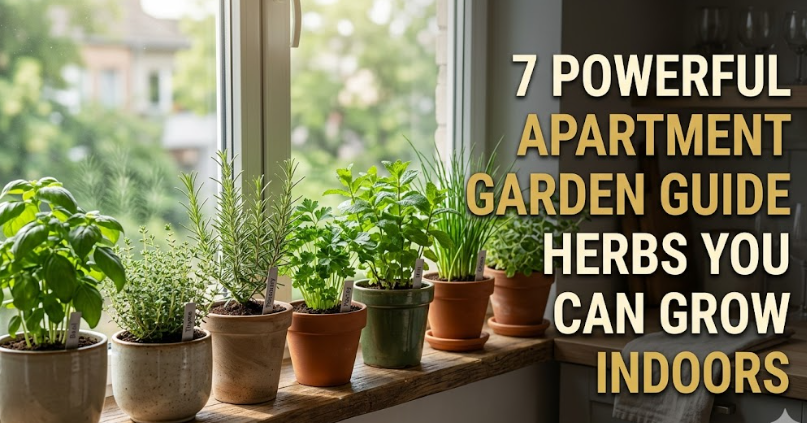
If you want to explore more herbs worth growing alongside basil, check out 7 Powerful Apartment Garden Guide Herbs You Can Grow Indoors — it covers a solid lineup including mint, chives, and thyme.
6. ZZ Plant (Zamioculcas zamiifolia) — Built for Busy People
ZZ plants look expensive. Like, genuinely high-end. The glossy, dark green leaves on upright stems look like something from a designer hotel lobby.
And yet, they’re one of the most forgiving plants you’ll ever own.
ZZ plants store water in their rhizomes (underground root structures), which means they can go weeks without watering and genuinely prefer it that way. They tolerate low light better than most plants. I’ve had mine in a hallway with zero natural light — I just supplement with a small grow light a few hours a day.
The only real downside: they’re slow growers. If you want instant gratification, get a pothos alongside it. But as a long-term, always-looks-good apartment plant, ZZ is unbeaten.
7. Aloe Vera — Practical and Pretty
Aloe is one of those plants that earns its keep beyond just looking nice.
The gel inside the leaves genuinely works for minor burns, sunburn, and skin irritation. I keep one near my kitchen because cooking burns happen, and having fresh aloe on hand feels smarter than digging through a first-aid kit.
Aloe needs bright, indirect light and very infrequent watering — about once every 2–3 weeks in winter, slightly more in summer. It does best in terracotta pots because they allow moisture to evaporate through the sides, preventing root rot.
The biggest mistake people make with aloe is treating it like a tropical plant that needs constant moisture. It’s a succulent. It hates wet feet. Water deeply, then let it dry out completely before watering again.
8. Mint — Container Queen
Mint is one plant you should never grow in open ground — it spreads aggressively and takes over. But in a container? It’s perfect.
Keep it on a sunny windowsill, water when the soil is slightly dry, and you’ll have a near-endless supply of fresh mint for mojitos, tea, salads, and cooking. I grow spearmint and peppermint in separate small pots on my kitchen ledge.
One thing worth noting: mint prefers slightly moist soil more than most herbs. I check mine every other day in summer. It also benefits from regular harvesting — the more you pick, the bushier it grows.
9. Chinese Evergreen (Aglaonema) — Low Light Champion With Color
Chinese evergreens might be the most underrated apartment plant on this list.
They come in beautiful varieties — deep green, silvery patterns, pinkish-red edges — and they genuinely thrive in low to medium light. They’re slow-growing enough that they don’t need frequent repotting, and they’re very forgiving of irregular watering.
I have a red-pink variety in my living room that gets almost no direct sunlight, and it looks stunning year-round. The coloring has actually intensified since I moved it to a brighter (but still indirect light) spot.
One caution: these plants can cause irritation if the sap touches skin or is ingested, so handle with gloves when pruning and keep away from children and pets.
10. Rubber Plant (Ficus elastica) — The Statement Plant
If you want one plant that genuinely transforms a space, a rubber plant is it.
These grow into large, dramatic plants with thick, waxy leaves that make an apartment feel intentionally designed rather than accidentally plant-filled. Mine is about four feet tall now and sits in the corner of my living room like a piece of furniture.
They need medium to bright indirect light and moderate watering — let the top inch or two dry out between waterings. The biggest mistake I made early on was moving mine around too often. Rubber plants don’t love being relocated; they drop leaves in protest. Find a good spot and leave it there.
For more ideas on arranging plants like these in compact spaces, 5 Powerful Apartment Garden Guide Setup Ideas for Small Spaces has some layouts that genuinely work in tight apartments.
11. Lavender — For Balconies and Bright Windows
Lavender is technically an outdoor plant, but it does beautifully indoors if you give it what it needs: lots of direct sunlight (at least 6 hours), good drainage, and airflow.
A south-facing windowsill or a sunny balcony is ideal. I grew a pot of English lavender on my balcony last summer and it bloomed for months, smelled incredible, and kept mosquitoes noticeably at bay.
You can dry the flowers for sachets, use them in cooking, or just enjoy the scent. Just don’t let it sit in waterlogged soil — lavender has the same “I hate wet roots” attitude as aloe.
Quick Reference: At-a-Glance Plant Guide
| Plant | Light Needed | Watering Frequency | Difficulty | Best For |
|---|---|---|---|---|
| Pothos | Low to bright indirect | Every 7–10 days | Beginner | Trailing/shelves |
| Snake Plant | Low to indirect | Every 2–3 weeks | Beginner | Any room |
| Spider Plant | Indirect | Every 7 days | Beginner | Hanging planters |
| Peace Lily | Low to medium | Every 7–10 days | Beginner | Flowers indoors |
| Basil | Bright direct | Every 2–3 days | Moderate | Kitchen herbs |
| ZZ Plant | Low to indirect | Every 2–3 weeks | Beginner | Hallways/offices |
| Aloe Vera | Bright indirect | Every 2–3 weeks | Beginner | Kitchen/utility |
| Mint | Bright indirect | Every 1–2 days | Moderate | Kitchen herbs |
| Chinese Evergreen | Low to medium | Every 7–10 days | Beginner | Living room |
| Rubber Plant | Medium to bright | Every 7–10 days | Moderate | Statement corners |
| Lavender | Bright direct | Every 5–7 days | Moderate | Balcony/windowsill |
Common Mistakes That Kill Indoor Plants (I’ve Made Most of Them)
Overwatering is the number one killer. More plants die from too much water than too little. When in doubt, underwater and observe.
Using the wrong pot. Pots without drainage holes trap moisture and cause root rot. Always, always choose pots with drainage holes, or add a layer of gravel and be very careful about water quantity.
Buying plants that don’t match your light. Before buying anything, honestly assess your apartment’s light. Which direction do your windows face? How many hours of direct sun do you actually get? A plant that needs full sun in a north-facing apartment is going to struggle no matter what you do.
Repotting too soon. Many beginners repot plants right after bringing them home, which stresses the plant during an already stressful transition period. Let new plants settle for at least 2–4 weeks before repotting.
Ignoring seasonal changes. Most indoor plants need less water in winter and more in summer. Adjust your routine as seasons change rather than watering on a fixed schedule year-round. For watering strategies that actually fit real apartment life, 9 Smart Apartment Garden Guide Watering Tricks for Busy People covers some genuinely useful approaches.
One More Thing About Getting Started
You don’t need to start with eleven plants. Honestly, start with two or three — a pothos, a snake plant, and one herb if you want something functional. Get comfortable with those, understand their needs, and expand from there.
The best apartment gardeners I know all started small and paid attention. They noticed when leaves changed color, when soil dried faster than usual, when a plant seemed to lean toward light. That attentiveness is the real skill — the plants are just the practice.
Most of them also stopped treating plant death as failure. A plant dying usually means you learned something: the light was wrong, the watering schedule didn’t suit that species, the pot was too large. Adjust and try again.
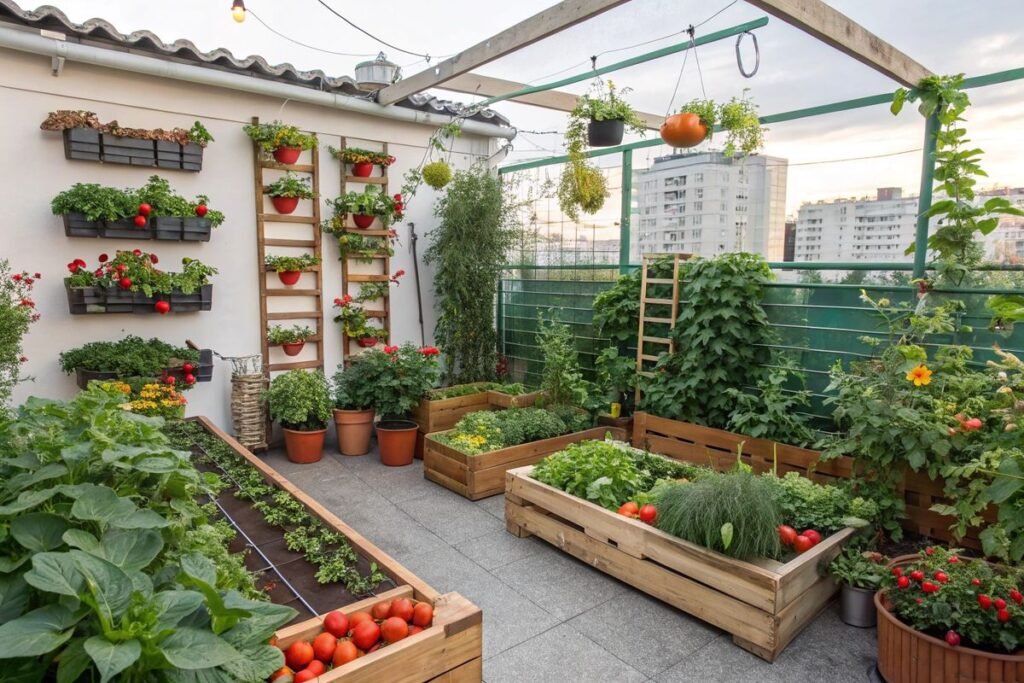
The apartment above mine has a woman who grows tomatoes on her tiny balcony in the middle of a city. When I first saw it, it seemed impossible. Now I understand exactly how she does it — by choosing the right varieties, the right containers, and the right orientation. If you want to go that far eventually, 10 Smart Apartment Garden Guide Vegetable Picks for Small Spaces is worth a read when you’re ready.
But for now? Pick two plants. Get to know them. Go from there.
If you’re just starting out and want a clear, no-overwhelm foundation, you might also enjoy 10 Ultimate Apartment Garden Guide Starter Tips for Success — it’s practical, honest, and genuinely useful for the first-timer.