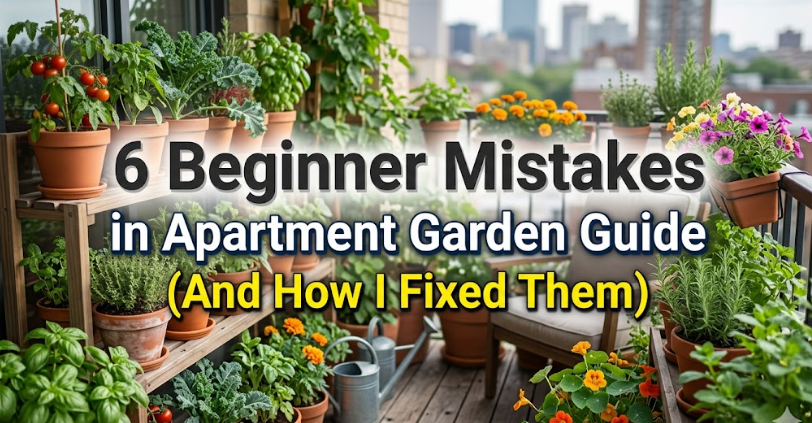
How I Fixed These 6 Easy Beginner Mistakes in My Apartment Garden
It took me killing three basil plants before I realized what I was doing wrong.
That’s the honest truth. I stuck my nose in the ground and moved into my apartment with a tiny balcony, a bag of potting mix and way too much confidence. I thought that growing plants in a small space would be easy. Fill a pot, drop in a few seeds, water it and move on.
It was not that simple.
What ensued was a succession of humiliating errors — wilted herbs, root-bound tomatoes, and one very sad attempt at growing lettuce in full shade. But I learned something from each mistake. And now, a couple of growing seasons later, my balcony is filled with thriving vegetables, herbs and a few flowers.
This apartment garden guide isn’t about flawless advice from a professional. It’s about the actual mistakes I made as a novice, and what specific changes shifted the tide.
Whether you’re working with a sunny balcony, a north-facing window or just a few square feet, you’ll likely recognize at least one of these errors.
Mistake #1: Choosing the Wrong Containers
That’s the first trap most beginners fall into — and I fell hard.
I found adorable terracotta pots at a discount store. On the balcony, they looked great. But within a few weeks, my tomatoes were stunted and my herbs were wilting even when I watered.
The problem wasn’t the plants. It was the pots.
Why Container Size Actually Matters
Plants require space to develop roots. If roots reach a container wall, the plant gets stressed. It stops leaf production, struggling in survival mode instead of flowering.
Tomatoes, for example, require at least a 5-gallon container — and ideally 10 gallons. I was attempting to grow them in 1-gallon pots.
Terracotta is also very porous. In warmer weather, it draws moisture from the soil quickly. In an apartment situation where you’re not going to water three times a day, that’s a problem.
The Fix That Worked
I switched to fabric grow bags. They’re affordable, lightweight and breathable. The air pruning effect — where roots naturally stop growing upon hitting air at the edge — can even stimulate a healthier root structure.
Little tip: Before buying, always check the drainage holes. No drainage = soggy roots = dead plant. I learned that the hard way too.
Mistake #2: Watering on a Schedule Rather Than Checking the Soil
My second huge blunder was following generic watering advice without checking what my plants actually needed.
“Water every two days.” That’s what I read online. And that’s what I did — rain or shine, hot or cold, sunny or cloudy.
My plants were drowning.
The Flaw in Strict Watering Schedules
Overwatering is one of the biggest reasons you’ll lose plants as a beginner apartment gardener. Roots sitting in wet soil can’t breathe, and they begin to rot.
But underwatering is equally bad — especially in small pots that dry out quickly on a hot balcony.
The question isn’t how frequently you water. It’s whether your plant actually needs watering at that moment.
The Finger Test (And Why It Changed Everything)
The fix is embarrassingly simple. Stick your finger about an inch deep into the soil before watering. If it feels moist, wait. If it feels dry, water thoroughly until it drains out of the bottom.
That’s it. No app. No gadget. Just your finger.
You can also lift the container for plants that dislike drought stress (tomatoes, basil, etc.). A dry container is clearly much lighter. You’ll get accustomed to it without even realizing.
I also put a layer of mulch — I used coco coir — on top of the soil in my containers. It drastically slows evaporation on hot days and reduces my watering frequency by nearly 50 percent in the summer.
Mistake #3: Ignoring Sunlight Requirements
This one cost me a complete growing season.
I put my tomatoes on my north-facing windowsill because it was the easiest place. They grew leggy and pale, like slivers of pale spaghetti, and never once produced fruit.
The reason? Tomatoes require a minimum of 6–8 hours of direct sun every day. My north-facing window gave them about 2 hours of weak, indirect light.
How to Actually Evaluate Your Light
Before planting anything, dedicate a full day to tracking light in your space. Walk around at 8am, 12pm, 3pm and 6pm. Pay attention to where direct sun lands and for how long.
Here’s a general breakdown:
| Light Level | Hours of Direct Sun | Best Plants |
|---|---|---|
| Full sun | 6–8+ hours | Tomatoes, peppers, basil |
| Partial sun | 3–6 hours | Lettuce, spinach, herbs |
| Low light | Under 3 hours | Mint, chives, microgreens |
What I Do Now
I choose my plants according to the light I actually have — not the light I wish I had.
Mint, chives and microgreens now grow in my north-facing window. The tomatoes, peppers and basil get my south-facing balcony.
If you’re confined to low-light areas but want to grow edibles, microgreens are your best friend. They grow really quickly, don’t require much light, and you can harvest them in as little as 7–14 days.
Mistake #4: Using Garden Soil Instead of Potting Mix
I fell into this trap assuming soil is soil.
I grabbed a bag off the hardware store shelf that said “garden soil” on it because it was cheaper than potting mix. Within a few weeks, my containers had developed a hard, compacted crust. Water was pooling on top and running off the sides rather than soaking in.
Why Regular Garden Soil Doesn’t Work in Containers
Garden soil is for in-ground beds. Packed tightly into a container, it compacts over time. It prevents air from reaching the roots and stunts drainage.
Plants in containers require a growing medium that is:
- Light enough to allow air to reach the roots
- Well-draining so water doesn’t collect around roots
- Designed to stay airy even after repeated soaking
Standard potting mixes contain ingredients such as perlite, coco coir and peat moss — all of which keep the mix light and well-draining, even in a deep container.
The Mix I Use Now
I stopped buying premixed bags. I make my own using a simple recipe:
- 60% good quality potting mix
- 20% perlite (for aeration and drainage)
- 20% compost (for nutrients)
This mixture stays fluffy, drains well and nourishes plants for the first few weeks without any added fertilizer. It’s also much less expensive per container than purchasing premium potting mixes.
For herbs, I go heavier on the perlite — around 30 percent — since most herbs prefer drier conditions.
Mistake #5: Not Fertilizing After the First Month
For the first four weeks, my plants were flourishing. Then they began to turn pale yellow, grow slowly and produce less fruit.
I thought I was doing everything right. Good containers, good light, deliberate watering, appropriate soil. What was wrong?
Potting Mix Nutrients Are Finite
Even the best potting mix only holds enough nutrients for about four to six weeks. After that, you have to replenish.
In the ground, plant roots grow outward to draw nutrients from a large area. In a container, they’re working with a finite amount of growing medium. With each watering, nutrients leach out through the drainage holes.
This is something many first-time apartment gardeners completely overlook in their first season.
My Feeding System
Once I understood the issue, I created a simple schedule:
- Weeks 1–4: No feeding needed if using fresh potting mix
- Week 5 onwards: Feed every 1–2 weeks with a balanced liquid fertilizer (5-5-5 or 10-10-10)
- During flowering and fruiting: Switch to a fertilizer higher in phosphorus and potassium (such as 5-10-10) to encourage blooms and fruit
I keep it simple — a diluted fish emulsion liquid fertilizer added to my watering can. It has a funny smell, but my plants love it.
One thing to avoid: over-fertilizing. More is not better. Yellow, scorched leaf tips are a sign of too much fertilizer. If you see that, stop feeding and flush the container with plain water.
Mistake #6: Overplanting in a Small Space
My first balcony setup looked like a plant sale. I stuffed as many containers as I could into every nook and cranny. Pots were touching each other. Plants were reaching over one another toward the light.
It looked enthusiastic. It was actually a disaster.
Why Overcrowding Hurts Your Plants
A few things happen when plants are too close together:
Airflow drops. Insufficient air circulation creates ideal conditions for mold, mildew and fungal diseases. Powdery mildew spread among three of my plants in one week, all because they were touching.
Light competition increases. Taller plants shade shorter ones. Shaded plants grow leggy, reaching desperately toward light and weakening their structure.
Root competition in shared containers. If two plants are competing for nutrients in the same pot, both will suffer.
How I Redesigned My Space
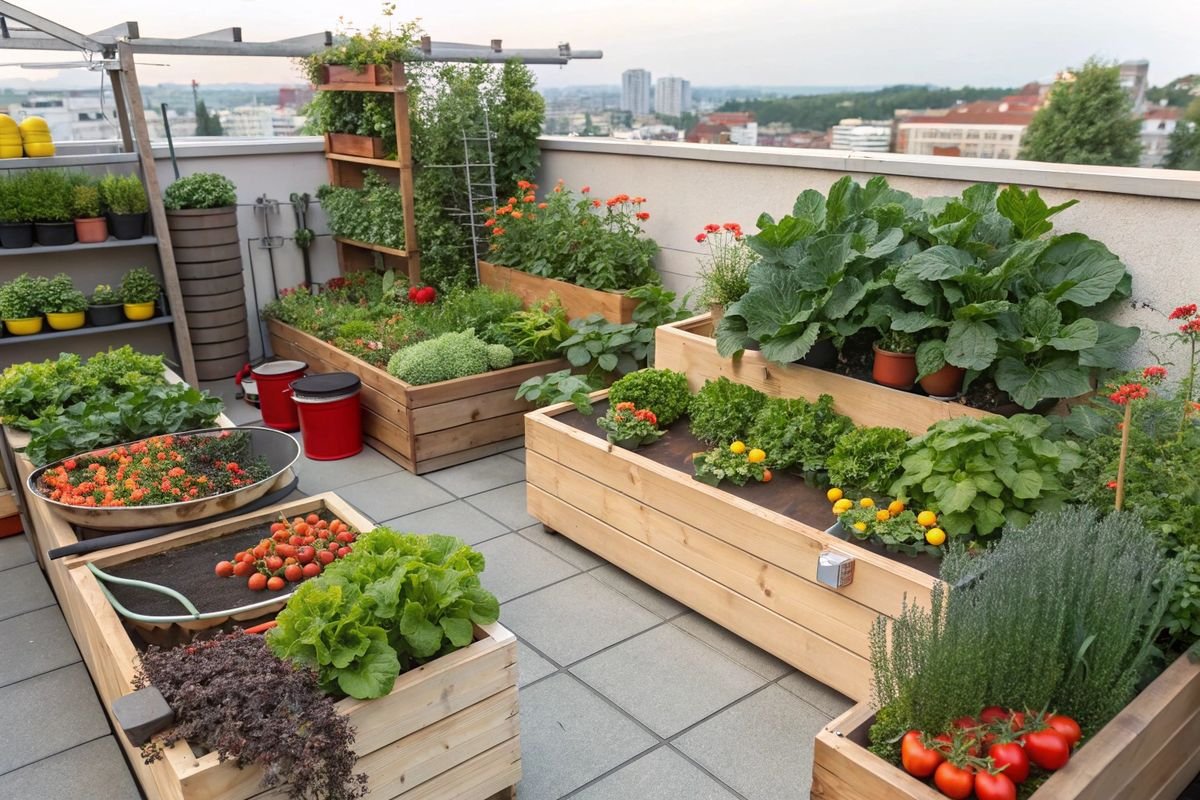
I halved the number of plants and introduced vertical structure instead.
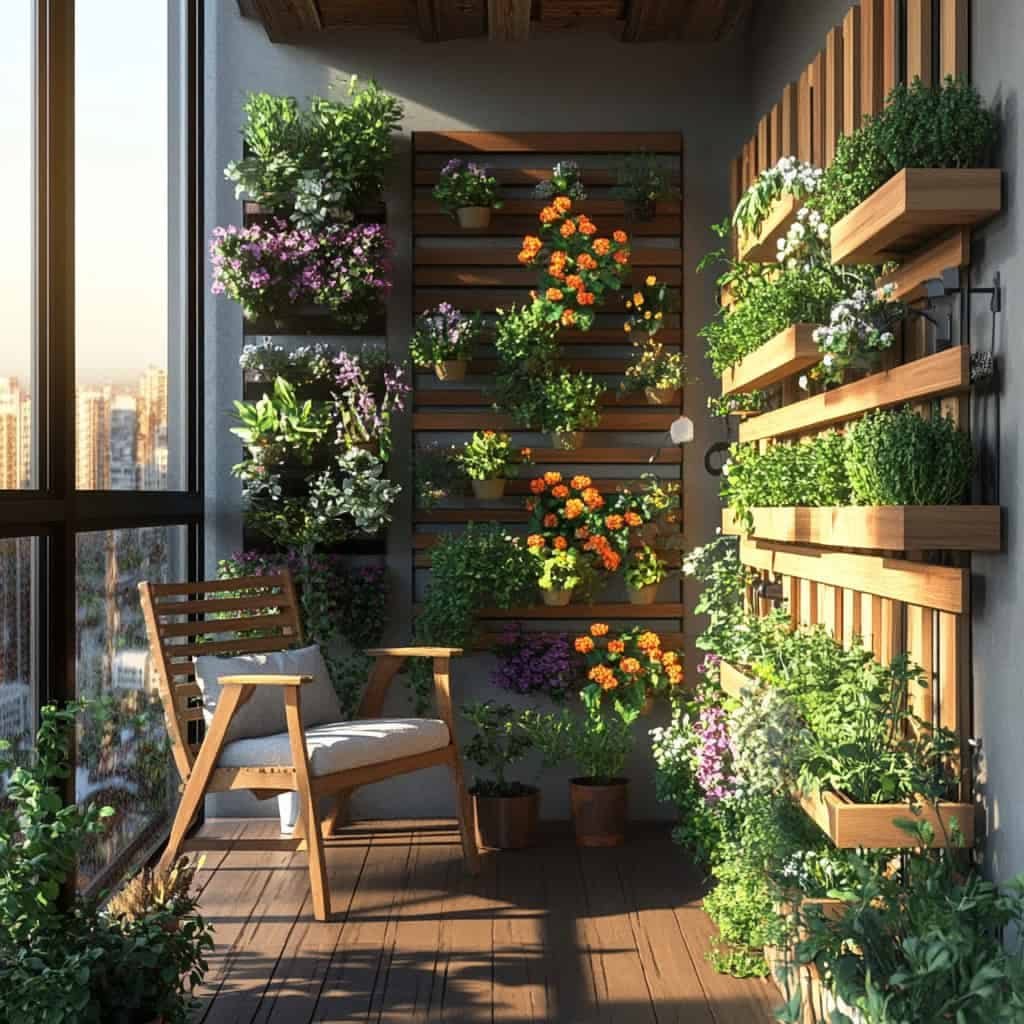
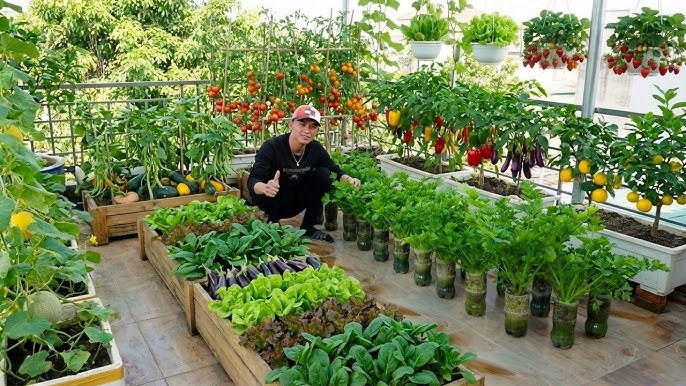
The big change was going vertical. A basic bamboo trellis or wall-mounted planter rack uses air space rather than floor space. Climbing beans, cucumbers and even certain types of squash grow beautifully up a trellis on a balcony.
I also learned to always leave at least 15cm (roughly 6 inches) of gap between every container for ventilation. At first, it seems like a waste of space — but it’s what keeps air flowing and stops disease from spreading.
Mindset Shift That Brought It All Together
Here’s something I wish someone had told me early on:
Apartment gardening isn’t about reproducing a backyard garden in miniature. It’s a completely different discipline.
You’re not gardening in the ground. You’re building with containers — isolated ecosystems that are wholly under your control. That means the soil quality, the drainage, the nutrients, the light and the spacing are entirely within your hands.
Everything began to change when I stopped thinking of my balcony as a tiny garden and instead thought of each container as its own little growing system. I started asking different questions — not “why is this plant dying?” but “what does this particular container need right now?”
That mindset shift is what connects all six fixes.
Frequently Asked Questions About Starting an Apartment Garden
Q: What are easy plants to grow as a beginner in an apartment?
Start with basil, mint, chives and parsley. They grow quickly, don’t need large containers and are incredibly forgiving. Lettuce and spinach are also good beginner choices because they grow fast and can handle partial shade.
Q: My balcony faces north. Can I still grow vegetables?
Yes, but your options are limited. The majority of fruiting vegetables (tomatoes, peppers) require full sun and won’t do well. Focus on leafy greens, herbs such as mint and chives, and microgreens — they can adapt to lower light levels.
Q: How often should I water apartment container plants?
There’s no universal answer. Test the soil with your finger, going about an inch deep. Water only when the top inch feels dry. In summer, that could mean watering every day. In winter, it might be every four or five days.
Q: Do I have to buy expensive soil for container gardening?
No. A simple mix of potting mix, perlite and compost gets excellent results and costs less than branded premium mixes. Skip plain garden soil — it compacts too much when used in containers.
Q: Why are my apartment garden plants turning yellow?
Yellowing leaves generally indicate one of three problems: overwatering, nutrient deficiency (particularly after the first month) or insufficient light. Check all three before reaching for a fertilizer or relocating the plant.
Q: How can I maximize food production in a tiny apartment?
Go vertical. Wall planters, hanging baskets and trellises for climbing plants significantly expand your growing area without taking up additional floor space. Focus on high-yield, compact varieties bred specifically for container growing.
Q: Are fabric grow bags better than plastic pots for apartment gardens?
For most vegetables, yes. Breathable material promotes air pruning of roots, encouraging a healthier root structure. They also help prevent overwatering, as excess moisture can evaporate through the sides. The only disadvantage is they dry out more quickly, so you may need to water more frequently during hot weather.
Final Thoughts
In retrospect, none of these errors were difficult to avoid. They were simply things nobody had warned me about at the start.
The wrong container. Watering by the calendar. Ignoring sunlight. Using the wrong soil. Skipping fertilizer. Cramming in too many plants.
Once you fix those six things, apartment gardening stops being frustrating and becomes genuinely enjoyable.
You don’t need a huge space. You don’t need expensive equipment. You just need the right information, applied to whatever balcony, windowsill or corner of your apartment you’re working with.
Start small. Fix one thing at a time. And don’t feel guilty about the plants you kill along the way — they’re just part of your learning curve, and you won’t make the same mistake twice.
Your best growing season is always the next one.