Apartment Garden Guide: Transform That Tiny Balcony Into Your Own Green Oasis
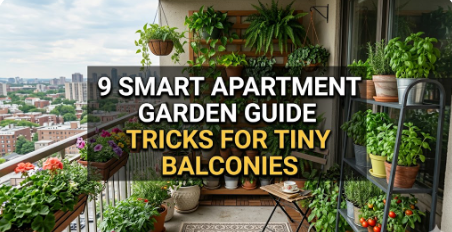
Find out 9 clever, patio-friendly tips to plant herbs, courgettes, and flowers in your small outdoor area
Do you have a tiny balcony, but big ideas for growing your own plants? You’re not alone. Millions of people living in apartments wish they could have a garden — but feel stuck without the yard.
The good news? You don’t need a yard. You just need the right plan.
When you have a balcony that’s tiny, you can still turn it into a thriving green space by employing smart strategies. Whether you’re hoping to grow fresh herbs, colorful flowers, or even small vegetables, this guide to setting up an apartment garden will set you on the right path.
Here are 9 hands-on hacks that will totally change the way you think about balcony gardening.
Why Balcony Gardening Is So Worth It
So before we get into the tricks, let’s chat about why this is important.
Whether you’re populating your balcony with greenery or growing vegetables, it benefits more than just the plants themselves. It can make you feel better, reduce anxiety, and — oh yes! — cut your grocery bill. Research has shown that time spent with plants — even in small doses — can improve mood and concentration.
A smart balcony garden also gives the feeling of a more spacious, relaxed, at-home experience.
And you don’t need to spend a ton of money to do it. Many of the tricks in this apartment garden guide utilize budget-friendly tools and materials found right at home.
Trick 1: Know Your Balcony’s Sun Patterns First
This is the crucial step — and most beginners overlook it.
Spending a day or two observing how sunlight flows through your balcony throughout the day before investing in a plant or pot will go a long way. Does it have full sun in the morning? Shade all afternoon? A mix of both?
Why Sun Exposure Changes Everything
Some plants require more light than others. Planting a tomato in the shade is like planting it in a closet. It won’t work.
Here’s a basic guide to help you match plants to your balcony’s light:
| Sun Exposure | Hours of Direct Sun | Best Plants to Grow |
|---|---|---|
| Full sun | 6+ hours | Tomatoes, peppers, basil, marigolds |
| Partial sun | 3–6 hours | Lettuce, spinach, parsley, pansies |
| Shade | Less than 3 hours | Ferns, mint, impatiens, hostas |
Follow the sun for a minimum of 2–3 days. Observe which regions of the balcony receive more sunlight. Then you can design your garden based on that information.
This single step will prevent you from spending money on plants that die because they’re in the wrong spot.
Tip 2: Go Vertical — Walls Are Your Best Friend
Here’s a small-balcony game changer: quit thinking in two dimensions.
Most people only consider floor space. But your walls and railings are open territory. Going vertical doubles — if not triples — your growing space without taking up anything more than a sliver of floor space.
Viable Vertical Gardening Options
There are multiple ways to garden vertically, depending upon your budget and balcony setup:
Pocket planters hang flush against the wall and can hold several small plants. They’re ideal for herbs, strawberries, and flowers.
Tiered planters, when stacked, sit on the floor while also rising up in layers. You can fit 4–6 plants in the space of 1 large pot.
Railing planters are clipping planters that attach directly to your balcony railing. They’re ideal for herbs and trailing plants such as petunias or sweet potato vine.
Trellis panels lean against the wall, supporting climbing plants such as peas, beans, or cucumbers.
Mix a few of these options together, and even a 4-foot balcony can accommodate an impressively large collection of plants.
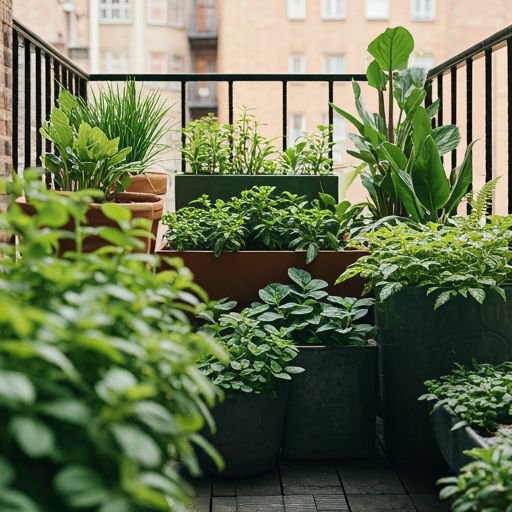
Trick 3: Select the Right Containers (Size Is a Big Deal!)
One of the biggest mistakes new balcony gardeners make is using containers that are too small.
A small pot not only restricts root growth — it also dries out much sooner. That means more watering, more stress, and shorter-lived plants.
Plant Type and Corresponding Container Size
This quick reference chart can help you select the proper pot size for your plant:
| Plant Type | Minimum Pot Depth | Minimum Pot Width |
|---|---|---|
| Herbs (basil, parsley) | 6 inches | 6 inches |
| Lettuce/greens | 6 inches | 8 inches |
| Peppers/eggplant | 12 inches | 12 inches |
| Tomatoes (dwarf) | 14 inches | 18 inches |
| Flowers (annuals) | 8 inches | 8 inches |
Always go bigger than you think you’ll need. Plants with room to expand will reward you with larger harvests and longer flowering periods.
Also think about weight. If your balcony has weight limits — many apartment buildings do — use light plastic or fabric grow bags rather than heavy ceramic pots. Fabric grow bags are inexpensive, breathable, and deceptively tough.
Trick 4: Create a High-Performance Potting Mix
Healthy soil in your containers is the foundation of your entire garden. Ordinary garden soil is too heavy and compacts in pots, suffocating roots.
Instead, use a potting mix that you customize to drain well, retain moisture evenly, and feed your plants over time.
An Easy DIY Potting Soil Recipe
A good all-purpose container mix consists of three basic components:
- 50% good potting soil — this provides structure and nutrients.
- 30% perlite or coarse sand — this aids drainage and helps avoid soggy roots.
- 20% compost or worm castings — this nourishes plants slowly over several months.
Mix these in a large bucket before filling your pots. You’ll notice the difference right away — the mix feels light and fluffy, not dense and clumpy.
For herb containers, you can add a small handful of horticultural charcoal. It helps keep the mix fresh and reduces odor — an added bonus in close quarters.
Tip 5: Water Less Frequently, But More Intelligently
More container plants die from overwatering than from anything else. But underwatering is yet another major challenge on balconies, particularly in summer, when temperatures soar and wind dries out pots fast.
The answer lies in watering smarter — not indiscriminately.
The Finger Test and Other Simple Techniques
The simplest method: stick your finger an inch into the dirt. If it feels dry, water. If it still feels damp, wait.
A few tools can make this easier, especially for busy people:
Self-watering pots come with a built-in reservoir at the bottom. The plant draws water upward as needed. Great for herbs and vegetables.
Drip irrigation kits attach to a small hose or water bottle and deliver a slow, steady stream of water directly to the soil. They can be set up for as little as $15–$20.
Moisture meter probes are inexpensive gadgets you stick into the dirt. They tell you exactly how wet or dry it is — no guessing required.
Watering early in the day is ideal. It also allows leaves to dry before nightfall, helping to minimize the chance of mold and fungal disease.
Trick 6: Feed Your Plants — on a Schedule
Potted plants use nutrients much more quickly than in-ground ones. Every time you water, some of the nutrients get washed out through the drainage holes. Without consistent feeding, plants soon become pale and unproductive.
Simple Feeding Routine for Balcony Gardens
Follow this simple feeding schedule for vigorous, healthy plants:
- Every 2 weeks — diluted liquid fertilizer (to half strength). A balanced 10-10-10 or organic fish emulsion works well for most vegetables and herbs.
- Once every 4 weeks — a slow-release granular fertilizer incorporated into the top inch of soil. It provides supplementary nutrition between liquid feedings.
- At planting time — mix compost or worm castings into the potting mix (see Trick 4). This gives plants a nutritious head start.
Avoid over-fertilizing. Overly rich soil — particularly nitrogen-rich soil — produces plenty of leafiness but can actually inhibit flowers and fruit. Follow package directions and don’t double up.
For flowering plants, switch to a fertilizer higher in phosphorus (the middle number on the package) as buds form. This boosts blooms dramatically.
Trick 7: Select Plants That Were Made for Containers
Not all plants are created equal. Many heirlooms were bred for flavor, while other varieties were developed specifically to thrive in containers and small spaces. These will give you a far better experience than picking random seeds at your local garden center.
High Performers for Balcony Gardens
Vegetables:
- Bush tomatoes (Tumbling Tom, Balcony variety, Tiny Tim)
- Mini bell peppers (Mohawk, Redskin)
- Bush beans (Contender, Provider)
- Compact lettuces (Tom Thumb, Little Gem)
- Cherry radishes (Cherry Belle — matures in 22 days)
Herbs:
- Basil (Spicy Globe — grows into a naturally compact mound)
- Chives (almost foolproof in containers)
- Mint (spreads aggressively — keep it in its own pot!)
- Dwarf rosemary (unfussy, fragrant, loves the heat)
Flowers:
- Pansies (cool-season, excellent in railing planters)
- Marigolds (deter bugs AND look beautiful)
- Petunias (hanging varieties trail beautifully over edges)
- Begonias (perfect for shadier balconies)
Look for terms like “dwarf,” “compact,” “bush,” or “container variety” on seed packets or plant tags. These are your best clues that a plant was designed for smaller spaces.
Trick 8: Create a Microclimate to Protect Your Plants
Balconies can be brutal environments. Wind, reflected heat from glass and concrete, and wide temperature swings will stress plants far more than conditions at ground level.
But with a few easy adjustments, you can create a gentler microclimate right on your balcony.
How to Tame a Punishing Balcony Environment
Add a windbreak. Even a simple trellis with a climbing plant, a row of taller pots, or bamboo screening will significantly reduce wind damage. Wind stresses plants, evaporates moisture rapidly, and can break stems.
Group pots together. When plants are clustered, they create a pocket of humidity around themselves. Particularly useful in dry climates or air-conditioned flats.
Use light-colored pots in hot zones. Black pots absorb heat, potentially cooking the roots. White or pale gray pots reflect sunlight and help keep roots cooler.
Add a layer of mulch. A light layer of wood chips, gravel, or coconut coir on top of the potting mix retains moisture and reduces temperature swings in the soil.
Bring sensitive plants indoors during extreme weather. Most container plants can spend a few days inside without any issues.
These simple tweaks can extend your growing season by weeks and keep plants healthy year-round.
Tip 9: Plan to Grow Year-Round
A lot of balcony gardeners treat their garden like a summer-only project and pack it up when fall arrives. But with some planning, you can grow something nearly every month of the year.
A Simple Seasonal Planting Calendar
| Season | What to Grow | Notes |
|---|---|---|
| Spring (Mar–May) | Peas, lettuce, spinach, pansies | Start seeds indoors in Feb if possible |
| Summer (Jun–Aug) | Tomatoes, peppers, herbs, marigolds | Peak growing season; water more often |
| Fall (Sep–Nov) | Kale, Swiss chard, mums, bok choy | Many cool-season crops grow fast |
| Winter (Dec–Feb) | Microgreens, sprouts, indoor herbs | Move pots inside or use cold frames |
Successive planting is the secret to year-round growing. When one crop finishes, remove it and plant something new right away. Try not to let pots sit empty — they are wasted potential.
A small cold frame or mini greenhouse cover (under $30) will help protect containers from frost and extend your fall season by 4–6 weeks. The Royal Horticultural Society’s guide to cold frames is a great resource for getting the most out of this simple technique.
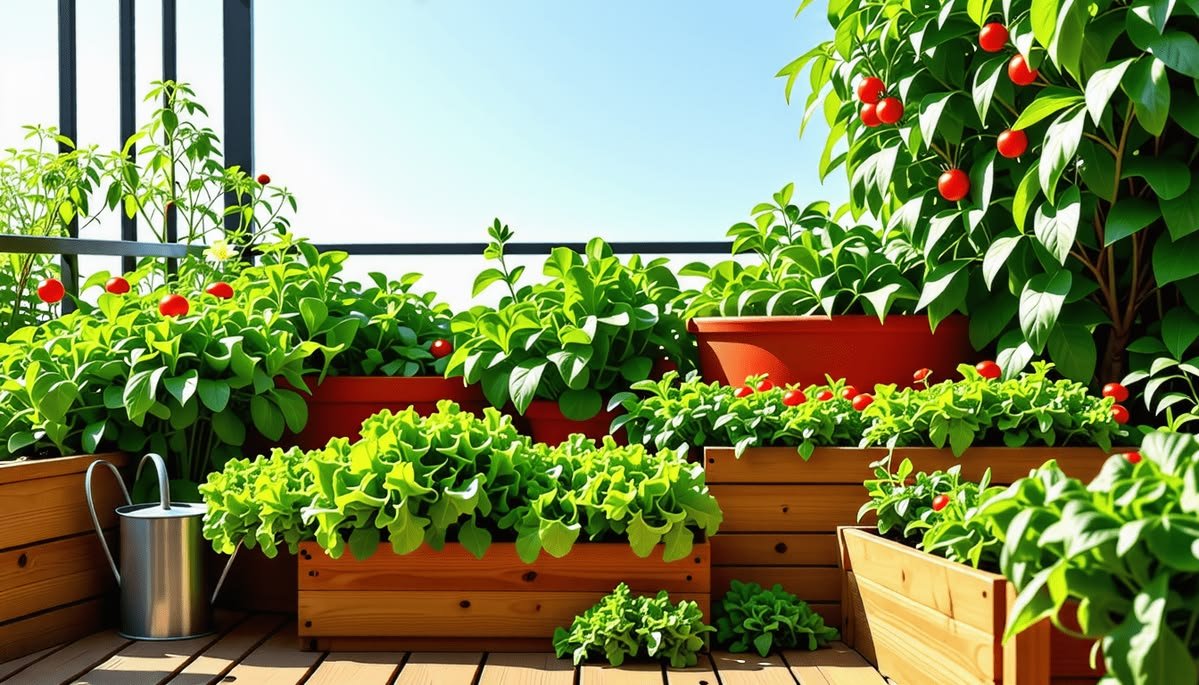
Bringing It All Together: How to Set Up the Apartment Garden of Your Dreams
Common Mistakes to Avoid in Balcony Gardening
Even with the best apartment garden guide, a few avoidable pitfalls can trip up beginners. Here’s what to watch out for:
Don’t buy too many plants at once. Start with 3–5 containers. Master the basics before expanding. Five healthy plants beat fifteen scraggly ones every time.
Never ignore drainage. Make sure your pots have holes in the bottom. Standing water rots roots fast. If your pots are sitting on a concrete balcony floor, lift them slightly on pot feet or bricks to allow water to drain freely.
Don’t plant too early in spring. A late frost can wipe out an entire season’s work in a single night. Check your local last frost date before taking warm-season plants outside.
Don’t reuse the same potting mix year after year. Old potting soil becomes compacted, nutrient-depleted, and a haven for disease. Refresh or replace it every season.
Don’t forget to check for pests. Inspect under leaves every week or so. The earlier you catch pests — aphids, spider mites, mealybugs — the easier they are to deal with. Wait until they take over and you may have to start from scratch.
FAQs About Apartment Balcony Gardening
Q: I have a north-facing balcony. Can I grow vegetables? Yes, but your options are limited. Greens such as lettuce, spinach, and kale will do fine in low light. Vegetables that require full sun — tomatoes, peppers, squash — will not thrive on a north-facing balcony without supplemental grow lights.
Q: What should I do to keep my balcony plants alive when going on vacation? For shorter trips (up to a week), self-watering pots are your best option. For longer vacations, either ask a neighbor to water, set up a simple drip irrigation system on a timer, or move plants to a shadier spot to reduce their water needs.
Q: Can I eat vegetables grown on a balcony next to a busy road? If you’re next to heavy traffic, there is a small chance of lead and heavy metal deposits on leaves. Rinse produce well before eating. Use clean potting mix (not street soil), and consider growing root vegetables — such as radishes or carrots — which absorb fewer airborne pollutants than leafy crops.
Q: What is the easiest plant for an absolute beginner? Start with herbs — especially chives, mint, and basil. They grow quickly, have practical uses in the kitchen, and give you rapid wins that keep motivation high. Radishes and lettuce are excellent beginner vegetables because they can be harvested in just a few weeks.
Q: What do I do about a very windy balcony? Wind is one of the biggest challenges in balcony gardening. Choose low-growing or compact plants that aren’t easily buffeted. Install a bamboo screen or trellis as a windbreak. Add extra gravel to the bottom of lighter pots for stability. Avoid tall, top-heavy plants such as corn or sunflowers unless they are well staked.
Q: Should I be concerned about my balcony’s weight limit? Yes — if you plan to have many large containers. Wet potting soil is surprisingly heavy. Check your lease or speak to your building management to find out the load limit. Opt for lightweight fabric grow bags, plastic pots, and a perlite-heavy potting mix to keep the weight down.
Q: Is it possible to compost on a balcony? Absolutely. Small worm bins (vermicomposting) work wonderfully on balconies and don’t smell if properly maintained. They convert kitchen scraps into rich worm castings you can apply directly to your container plants. Bokashi composting is another odor-free option designed for compact spaces.
The Big Idea: Your Apartment Balcony Is a Garden in Waiting
Here’s the reality of balcony gardening: it is not rocket science. All you need is a little information and the confidence to jump in.
This apartment garden guide outlines nine simple tricks that will make the biggest difference. You don’t need to do all nine at once. Choose two or three that feel most relevant to your situation and start there.
Track your sun. Go vertical. Choose the right containers. Water thoughtfully. Feed your plants. And choose varieties designed for small spaces.
Every experienced gardener started with a single pot and a single plant. The skills build quickly — and so does the pleasure of stepping outside on a Tuesday morning to snip some fresh herbs for your eggs or pluck a ripe cherry tomato straight from the vine.
Your little balcony is far more capable than you might expect. This apartment garden guide is your permission slip to start using it.
Start small, not big — and watch your balcony continue to surprise you.