5 Best Setup Ideas: Apartment Plant Guide in Small Space
Meta Description: From setups that can turn any kind of space into a green haven, to guided gardens in apartments — educational ideas for growing plants, herbs and veggies at home.
Are you wondering how to grow plants in an apartment? With the proper setup, even a small balcony or a single sunny window can grow into a thriving garden. This apartment garden guide will take you through five beginner-approved ideas that are actually effective — even with little to no outdoor space.
Whether you want herbs for cooking, colorful flowers, or a few homegrown vegetables, there’s a setup here that will work for you. Let’s dive in.
The Value of Apartment Gardening
Apartment-dwellers often feel shut out of the gardening world. No backyard. No garden beds. Nowhere to dig.
But apartment gardening is on the rise — and for good reason.
Research has shown that being around plants alleviates stress, enhances mood, and even increases productivity. And growing your own herbs or vegetables can save on grocery bills. A small pot of basil sitting on your kitchen windowsill costs a few dollars and will give you fresh herbs for weeks.
It is a matter of selecting the setup that fits your space. Let’s investigate the five best apartment-style garden arrangements you can implement today.
1. The Windowsill Herb Garden — The Easiest Place to Start
You already have a garden spot if you have one sunny window.
A windowsill herb garden is the easiest setup in any apartment garden playbook. It doesn’t take any special equipment, no heavy lifting, and no big budget. All you’ll need is a couple of small pots, potting mix, and seeds or seedlings.
What to Grow on a Windowsill
Not every plant should be kept on a windowsill. Limit it to herbs and small greens.
Best herbs for windowsills:
- Basil — needs 6+ hours of sun
- Mint — grows quickly, enjoys partial shade
- Chives — very low maintenance
- Parsley — slow to take off but will keep growing
- Thyme — thrives with plenty of light and dry conditions
These plants do not require deep containers. A 4–6 inch pot is just perfect. Set them on a tray to catch drainage water and prevent soggy sills.
Sunlight Is Everything
A south-facing window works best. It receives the most direct light during the day. East- or west-facing windows work as well, particularly in summer.
If your windows face north, you’ll need grow lights. More on that below.
Quick Tips to Keep Your Windowsill Herbs Alive
- Water when the top 1 inch of soil is dry
- Pinch back flowers when they appear — this keeps herbs bushy and flavorful
- Turn pots every few days so all sides see sun
- Use small containers with drainage holes — root rot is the No. 1 killer
A properly configured windowsill garden will offer up fresh herbs all year round with virtually no effort involved.
2. Vertical Wall Gardens — Grow Up, Not Out
When space is scarce, the smartest move is up.
A vertical wall garden transforms a blank wall or balcony fence into a living green surface. It is one of the more visually striking setups you will encounter in any apartment garden guide. And it’s surprisingly practical.
Types of Vertical Garden Systems
| Type | Best For | Cost Range | Difficulty |
|---|---|---|---|
| Pocket planters | Herbs, small flowers | $15–$40 | Easy |
| Pallet garden | Succulents, herbs | $10–$30 | Medium |
| Stacked shelf unit | Veggies, larger pots | $30–$80 | Easy |
| Mounted pipe system | Trailing plants | $40–$100 | Medium |
| Hydroponic wall panel | Herbs, leafy greens | $80–$250 | Hard |
Pocket planters are the simplest to begin with. These panels are made of fabric or plastic with individual pockets that hold small pots. You hang them on a wall, fence, or balcony railing.
Best Plants for Vertical Gardens
Not every plant is suitable for vertical growing. Pick plants that don’t grow too large and won’t need deep roots.
Top picks for vertical setups:
- Lettuce (any variety)
- Strawberries
- Nasturtiums
- Ferns
- Succulents
- Trailing pothos
Avoid tomatoes or cucumbers in pocket-style systems — heavy fruits can pull planters off the wall.
How to Water a Vertical Garden
Watering is the most challenging aspect of vertical gardening. Water always drains down, which means bottom pockets do not dry out as quickly as top ones.
Water from the top and individually check each pocket every 2–3 days. A small watering bottle with a long spout is helpful. You could also use drip irrigation kits made for vertical planters, which can be purchased online for less than $30.
3. The Balcony Container Garden — Your Outdoor Mini-Farm
If you have a balcony — even a small one — you’ve got major growing potential.
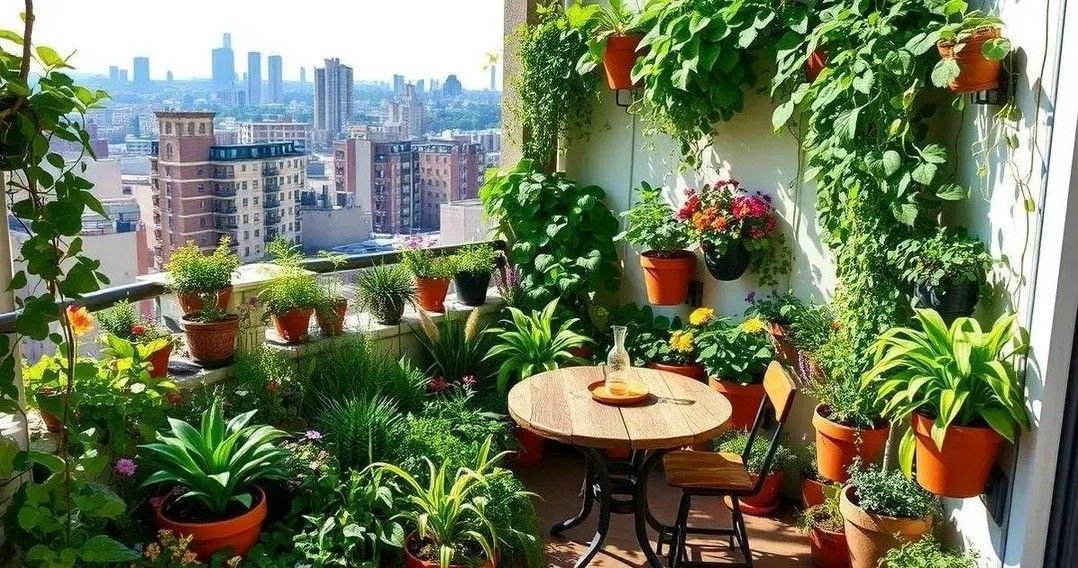
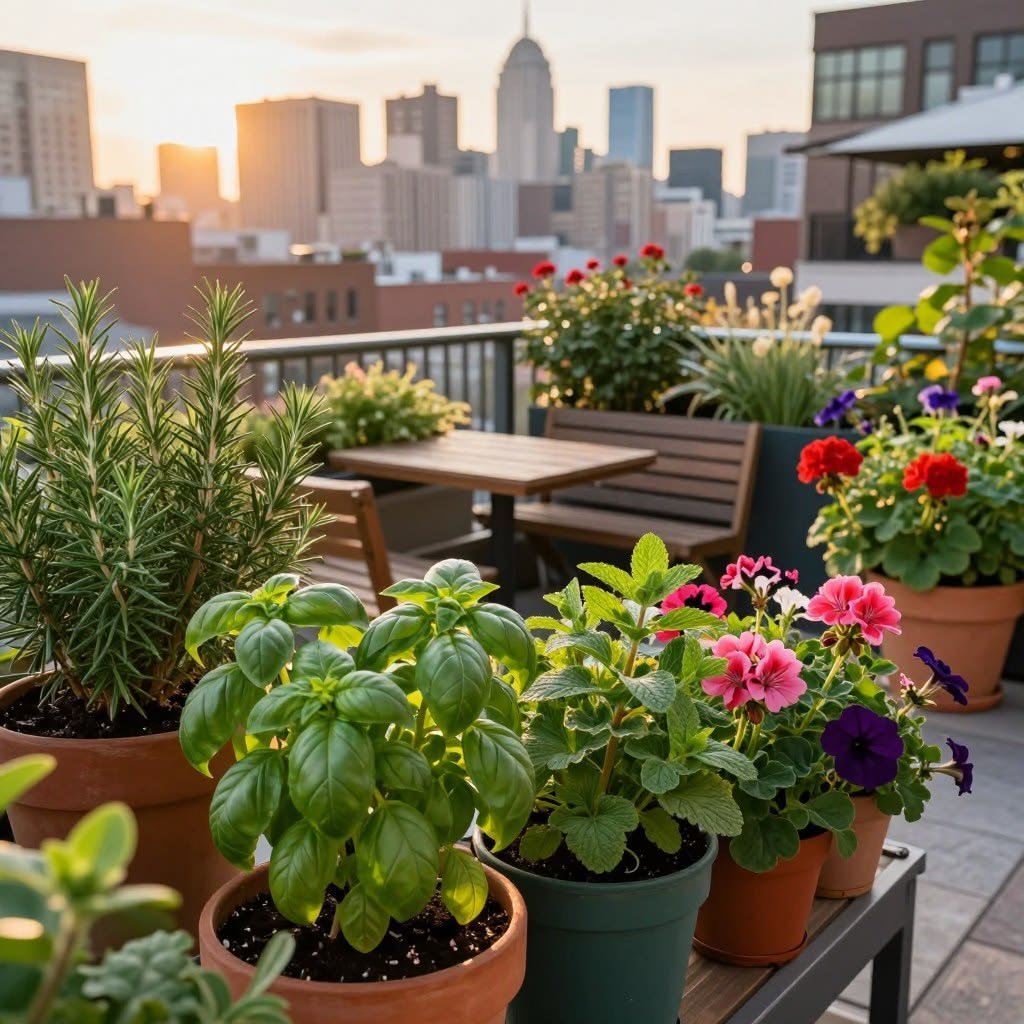
A balcony container garden allows you to grow a much broader range of plants than any indoor arrangement. You get actual sunlight, natural airflow, and rainwater. This is the closest to a real garden you’ll get in an apartment.
Choosing the Right Containers
Container size is the most important consideration for a balcony garden.
- Small pots (under 6 inches): herbs, flowers, succulents
- Medium pots (8–12 inches): greens, lettuce, spinach, peppers
- Large pots (14–18 inches): tomatoes, cucumbers, eggplant
- Grow bags (5–15 gallons): potatoes, garlic, beans
Grow bags are a favorite for balconies because they’re lightweight, flexible, and easy to store in winter.
Balcony Weight Limits
This is something most beginner guides skip — but it matters.
Balconies have weight limits. The load-bearing capacity of most residential balconies in the US is around 40–60 pounds per square foot. A typical planter full of wet soil can weigh 50–80 pounds or more.
Before building a large container garden, ask your building manager about the load limit. Use lightweight potting mixes (coco coir blends are great) and favor plastic or fabric containers over heavy clay pots.
What Grows Best on a Balcony
| Sun Exposure | Preferred Crops |
|---|---|
| Full sun (6+ hrs) | Tomatoes, peppers, beans, eggplant |
| Partial sun (3–6 hrs) | Lettuce, kale, peas, herbs |
| Low light (under 3 hrs) | Mint, ferns, some flowers |
4. Indoor Grow Light Gardens — Garden Without a Single Window
No balcony. No sunny window. Don’t worry — this apartment garden setup has you covered.
Grow lights allow you to garden in any room, regardless of natural light. This is the most versatile option in any apartment garden guide, especially for renters in basement or north-facing units.
How Grow Lights Work
Plants use light to produce food through photosynthesis. Sunlight covers the full spectrum. LED and fluorescent technology mimics that spectrum artificially.
For most herbs and vegetables, you need:
- Light intensity: Minimum of 2,000–3,000 lumens
- Light spectrum: Full spectrum (blue + red wavelengths)
- Timer: Set to 12–16 hours per day
LED grow lights are the best choice. They consume less electricity, generate less heat, and last longer than older fluorescent bulbs.
How to Set Up a Grow Light Station
You don’t need a whole room. A simple shelving unit works perfectly.
Basic setup:
- Purchase a 3–4 shelf metal wire unit ($30–$60)
- Add LED strip grow lights under each shelf ($15–$40 per strip)
- Use plug-in timers to automate the light cycle
- Place trays of pots on each shelf
- Keep lights 4–6 inches above plant tops
This setup can fit into a closet, a corner of the living room, or even under a kitchen counter. It is especially popular for starting seeds indoors before moving them to a balcony in spring.
Best Plants for Grow Lights
- Lettuce and spinach
- Basil and cilantro
- Microgreens (ready to harvest in 7–14 days)
- Radishes
- Dwarf peppers
- African violets and other low-light plants
Energy Costs — What to Expect
A small 45-watt LED grow light running 14 hours a day uses roughly 19 kWh per month. At an average US electricity rate of $0.16/kWh, that’s about $3 a month per light panel. Very manageable.
5. Hydroponic Apartment Gardens — No Dirt, Highly Efficient
The most high-tech option in this apartment garden guide is hydroponics — growing plants in water instead of soil.
It sounds complicated. But modern hydroponic kits are surprisingly straightforward and ready to go straight out of the box.
What Is Hydroponics?
Hydroponics is a method of growing plants using nutrient-rich water instead of soil. The roots are submerged in or constantly misted with this water. Plants grow faster, require less space, and typically produce more than soil-grown counterparts.
According to research from the University of Mississippi, hydroponic plants can grow 30–50% faster than those grown in soil under the same light conditions.
Types of Apartment Hydroponic Systems
Kratky Method The simplest hydroponic system. No pump, no power, no moving parts. Just a container of nutrient water with plant roots hanging down into it. Perfect for lettuce and herbs.
Deep Water Culture (DWC) Roots are suspended in oxygenated nutrient water. A small air pump keeps the water circulating. It’s a step up from Kratky, and plants grow even faster.
All-in-One Grow Kits Brands such as AeroGarden and Click & Grow sell countertop hydroponic kits that come ready to use. They include built-in LED lights, a water reservoir, and pre-seeded pods. Just plug in and add water. Prices start around $80.
What Can You Grow Hydroponically?
- Basil, mint, cilantro
- Lettuce (butterhead, romaine)
- Kale and spinach
- Cherry tomatoes (with enough light)
- Strawberries
- Chives and parsley
Root vegetables like carrots and potatoes are harder to grow in most beginner hydroponic systems.
Maintaining a Hydroponic System
- Check water levels every 3–5 days
- Refill with nutrient solution (follow instructions on the bottle)
- Monitor pH — most plants prefer pH 5.5–6.5 (an inexpensive pH meter costs $10–$15)
- Clean the reservoir every 2–3 weeks to prevent algae growth
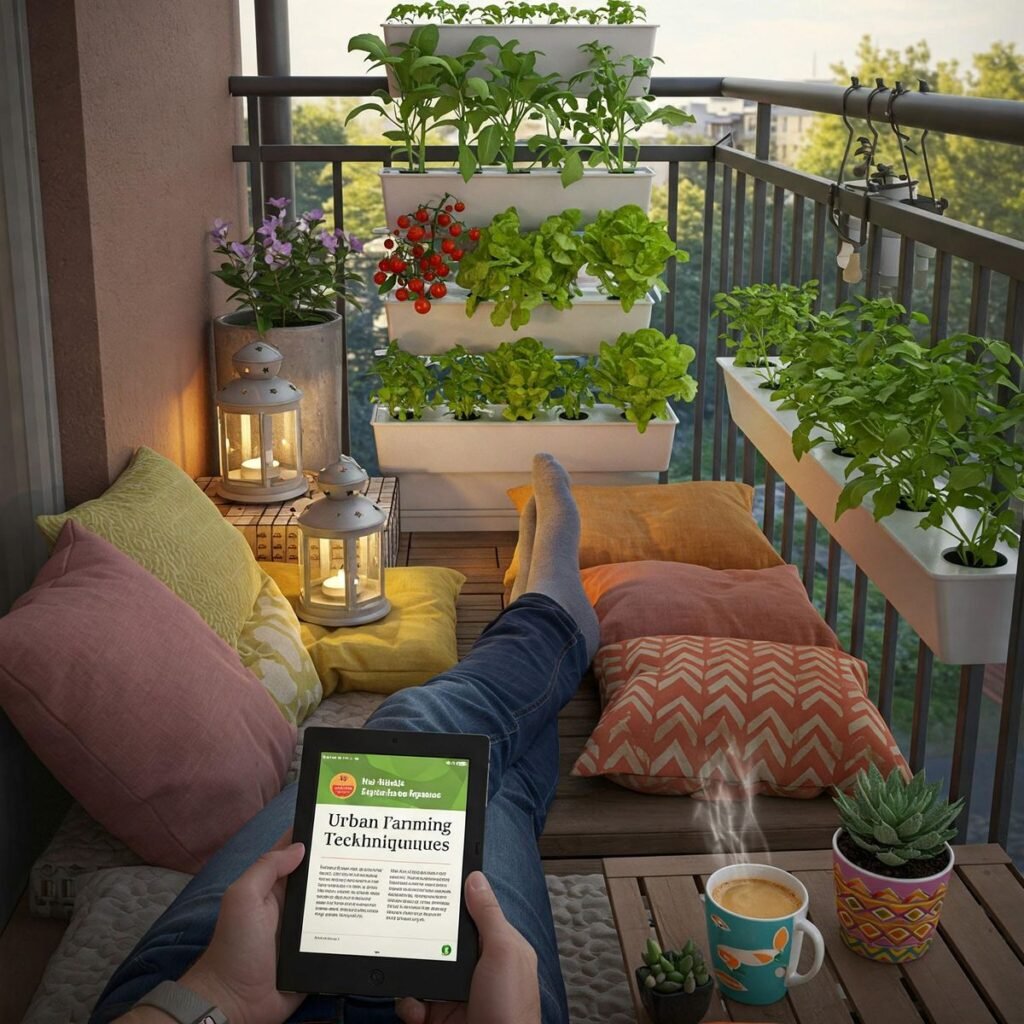
How to Decide Which Setup Is Right for Your Space
| Setup | Space Required | Budget | Skill Level | Best For |
|---|---|---|---|---|
| Windowsill herbs | 1 sunny window | $10–$30 | Beginner | Cooking herbs |
| Vertical wall garden | 1 wall or fence | $20–$100 | Beginner–Mid | Herbs, flowers, greens |
| Balcony containers | Small balcony | $30–$150 | Beginner–Mid | Veggies, herbs, fruits |
| Grow light station | Any corner | $50–$150 | Beginner | Greens, seedlings |
| Hydroponic kit | Countertop | $80–$300 | Mid | Herbs, leafy greens |
Apartment Gardening Mistakes You Should Never Make
Even experienced gardeners make these mistakes. Watch out for these common pitfalls:
Overwatering This is the number one reason apartment plants die. Most beginners water too often. Always check the soil before watering. Stick your finger an inch into the soil — if it feels damp, wait another day or two.
Wrong Pot Size Too small and roots cannot grow properly. Too small, and the soil dries up too quickly. Match the pot size to the plant variety.
Ignoring Drainage Every container needs drainage holes. No exceptions. Standing water kills roots fast.
Buying the Wrong Plants Not all plants are suited to apartment growing. Stick to compact varieties. Look for terms like “dwarf,” “patio,” or “container-friendly” on seed packets.
Skipping Fertilizer Potting soil loses nutrients after 4–6 weeks. After that, you need to feed your plants. A liquid fertilizer every 2–3 weeks keeps plants healthy and productive.
Apartment Gardening on a Budget
There’s no need to spend big to get started. Many of the best apartment gardens are built from recycled or inexpensive materials.
Budget-friendly ideas:
- Use tin cans, mason jars, or takeout containers as pots (poke holes for drainage)
- Choose seeds, not seedlings — up to 10x cheaper
- Start with one or two plants before committing to a full setup
- Search for free planters on Facebook Marketplace or neighborhood buy-nothing groups
- Mix your own potting medium using coconut coir, perlite, and compost
You can set up a complete beginner windowsill herb kit for less than $20.
Seasonal Apartment Garden Planning
Knowing what to grow and when is an underappreciated skill in apartment gardening. Even indoors, seasons affect your plants. Light levels change. Temperatures shift. Planning ahead makes a real difference.
- Spring (March–May): Start seeds indoors. Set up balcony containers once nighttime temperatures stay above 50°F (10°C).
- Summer (June–August): Peak growing season. Warm weather means more frequent watering. Watch for pests.
- Autumn (September–November): Move tender plants indoors. Transition to cool-weather crops such as kale, spinach, and chard.
- Winter (December–February): Indoor setups shine — grow lights and hydroponic kits rule this season.
By planning around seasons, you can maximize your growing without spending a single extra penny.
FAQs About Apartment Gardening
Q: Can I actually grow vegetables in an apartment? Yes — absolutely. Most vegetables grow well in containers. Tomatoes, peppers, lettuce, kale, beans, and radishes all thrive in pots. It’s all about providing enough sunshine (6+ hours daily), an adequately sized container, and regular watering and feeding.
Q: What is the easiest plant to grow in an apartment? Mint is one of the easiest. It grows quickly, thrives in low light, and is very difficult to kill. Chives and pothos are also great beginner plants. If you want something edible, cherry tomatoes and lettuce are the most beginner-friendly options.
Q: How much sun do indoor plants require? It depends on the plant. Most edible plants (herbs, vegetables) need at least 4–6 hours of direct or bright indirect sunlight per day. Low-light plants such as pothos, ferns, and mint can manage with 2–3 hours.
Q: Do I need special soil for container gardening? Yes. Always use potting mix — not garden soil or topsoil. Garden soil becomes too compacted in a container, which suffocates roots and reduces drainage. Choose a potting mix specifically designed for containers or vegetables.
Q: How often should I water apartment plants? There’s no fixed schedule. It varies based on pot size, plant type, temperature, and humidity. The No. 1 rule: stick a finger in the soil before every watering. Water thoroughly if the top inch is dry. If it’s still damp, wait.
Q: Is hydroponics worth it for a beginner? It can be. If you have no outdoor space and little natural light, a basic hydroponic kit such as an AeroGarden can be a worthwhile investment. They’re low-maintenance, grow plants quickly, and yield a surprising amount of fresh herbs and greens year-round.
Q: Can I start an apartment garden without spending much? Yes. Start with one sunny windowsill and a few small pots of herbs. Seeds are cheap. Containers can be repurposed with drainage holes added. Many successful apartment gardens began with under $20 and grew from there.
Conclusion — Your Apartment Garden Is Within Reach
No backyard? No problem.
This apartment garden guide has outlined five real, workable setups that fit into small spaces — from a simple windowsill herb kit to a full hydroponic countertop garden. Each balances a unique combination of space, budget, and skill level.
The No. 1 thing standing between you and apartment gardening is not space. It’s getting started.
Choose one setup that aligns with where you are right now. Start small. Even one pot of basil on a sunny windowsill is a real apartment garden. Start there and build from the top as you gain confidence.
Your green space — however small — is waiting.