Honestly, the first time I killed a pothos — a pothos — I knew I had to seriously rethink how I was caring for my plants.
If you don’t know, a pothos is basically the cockroach of the houseplant world. People joke that it’s nearly impossible to kill one. Yet there I was, staring at a yellowing, drooping mess sitting on my apartment windowsill, wondering what went wrong.
That was three years ago. Today, my 400 square foot apartment has 23 thriving plants — herbs on the kitchen shelf, a tomato plant on the balcony, succulents by the window, and even a small indoor lemon tree that actually produces fruit. None of it happened by accident. I made a lot of mistakes, learned a ton, and slowly figured out what actually works in a small apartment setting.
So if you’re struggling with keeping your apartment plants alive and healthy, these six care tips are the ones that genuinely made the biggest difference for me.
1. Stop Watering on a Schedule — Start Reading Your Plants
This was probably my biggest mistake early on. I set a reminder on my phone: “Water plants every Sunday.” Sounded responsible, right?
Wrong.
Plants don’t care what day of the week it is. They care about the moisture level in their soil, the humidity in your apartment, the temperature, and how much sun they’re getting. A plant sitting in a hot, dry apartment in summer may need water every two days. That same plant in a cool, cloudy winter week might be perfectly fine for ten days.
The trick I now swear by: stick your finger about an inch into the soil. If it feels moist, leave it. If it’s dry, water it. That’s really it. No app needed, no schedule required.
That said, if you’re the forgetful type, I do like the Planta app — it lets you log your specific plants and gives you care reminders that adjust based on season and light conditions in your area. Way smarter than a generic Sunday alarm.
One more thing on watering: always water deeply and let it drain. A little splash on the surface every couple of days is actually worse than doing nothing. You want the water to reach the roots, not just wet the top layer.
2. Understand the Light in Your Apartment Before You Buy Anything
Not all windows are created equal. A south-facing window in a high-rise is completely different from a north-facing window with a building blocking half the sky.
Before I started matching plants to my actual light conditions, I kept buying plants that were theoretically fine for “indirect light” — and then watching them slowly deteriorate because my apartment doesn’t get much light at all.
Here’s a simple way to assess your light: on a clear day around noon, hold your hand about a foot above a white piece of paper near your window. If you see a sharp, clear shadow, you’ve got bright light. Soft, blurry shadow? Medium light. Barely any shadow? Low light.
I have mostly low-to-medium light in my apartment, which means I’ve had great success with pothos (yes, I eventually got it right), snake plants, ZZ plants, peace lilies, and Chinese evergreens. These plants are genuinely low-maintenance and they don’t sulk in dimmer conditions.
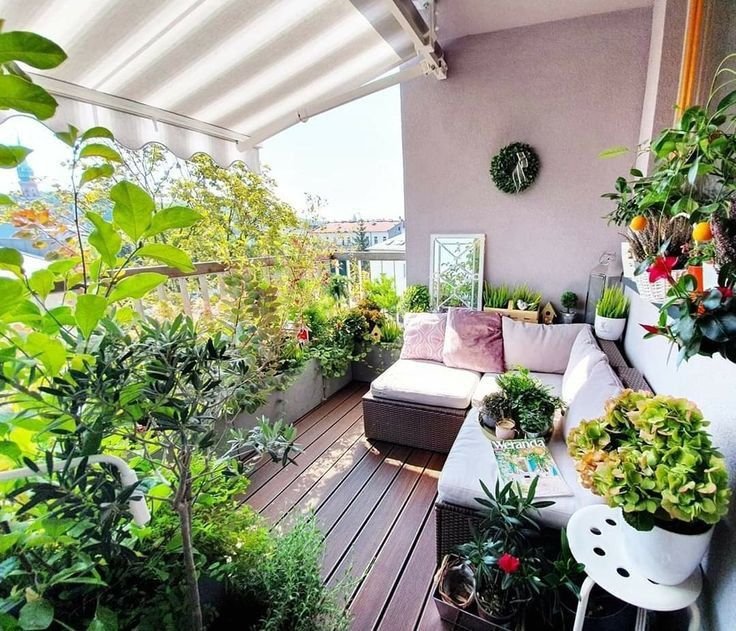
If you have a sunny balcony or south-facing window, you have a much wider range of options — herbs, tomatoes, peppers, strawberries. Check out 9 Easy Apartment Garden Guide Plants That Grow Like Crazy for a solid list of plants that do well across different light situations.
For spots that are genuinely too dark for most plants, grow lights are a total game changer. I use a simple clip-on LED grow light from Amazon for my herb shelf — it cost around $20 and my basil has never been happier.
3. Get the Soil Right — Because Potting Mix Is Not One-Size-Fits-All
Here’s something nobody told me when I started: the soil you use matters enormously. I used to just grab whatever generic potting mix was on sale. Big mistake.
Different plants need very different soil compositions:
| Plant Type | Ideal Soil Mix |
|---|---|
| Succulents & Cacti | Sandy, fast-draining (add perlite) |
| Tropical houseplants | Rich, moisture-retentive mix |
| Herbs | Lightweight, well-draining mix |
| Vegetables | Nutrient-dense, compost-rich mix |
| Orchids | Bark-based, loose and airy |
For most of my indoor plants, I now use a standard indoor potting mix with about 20–30% perlite added. Perlite looks like little white styrofoam balls — it improves drainage and aeration, which prevents root rot. Root rot is the silent killer of apartment plants, and it almost always comes from heavy, waterlogged soil sitting in containers with poor drainage.
For my balcony vegetables, I use a mix of potting soil and compost, which gives them the nutrients they need since container-grown plants can’t pull nutrients from the ground the way garden plants do.
Also worth checking out: 6 Powerful Apartment Garden Guide Soil Tips for Better Growth — it goes much deeper into this topic if you want to geek out on soil.
4. Feed Your Plants, But Don’t Overfeed Them
This one took me way too long to figure out. For the first year, I never fertilized at all. Then I learned plants need nutrients, panicked, and started fertilizing every week. Both extremes caused problems.
Under-fertilizing leads to pale, slow-growing, leggy plants that look tired. Over-fertilizing causes what’s called “fertilizer burn” — the tips and edges of leaves turn brown and crispy as salt buildup from the fertilizer damages the roots.
My current routine is simple:
During the growing season (spring and summer): I fertilize every two to three weeks with a balanced liquid fertilizer, diluted to half strength. I like the Schultz All Purpose Plant Food — you add just a few drops to your watering can. Easy.
During fall and winter: I either stop completely or fertilize once a month at most. Most houseplants slow down or go dormant in lower-light winter conditions and don’t need the extra push.
One thing that genuinely surprised me: I started using worm castings (basically worm poop — yes, really) mixed into my soil, and the improvement in plant health was noticeable within a few weeks. It’s a gentle, slow-release fertilizer that’s hard to overdo. Sounds gross, works brilliantly.
Here’s a rough guide to how often different plant types need feeding:—
5. Humidity and Temperature Matter More Than You Think
Most people think about light and water. Almost nobody thinks about humidity when they’re starting out — I certainly didn’t.
Here’s the thing: most popular houseplants (pothos, monsteras, peace lilies, ferns) are tropical in origin. They’re used to warm, humid environments. The average apartment, especially in winter when the heating is running, can have humidity levels around 20–30%. Most tropical plants prefer 50–60%.
The signs of low humidity are subtle at first — slightly crispy leaf edges, tips browning on otherwise healthy leaves, leaves that look dull instead of glossy. I spent months trying to fix what I thought was a watering problem when it was actually just dry air.
My fix: I picked up a small humidifier for about $30 and placed it near my plant corner. The difference was dramatic within two weeks. Leaves got glossier, growth picked up, and the browning tips stopped appearing.
If a humidifier feels like too much, grouping plants together actually helps — they create their own little microclimate as they transpire. Pebble trays with water also work to a degree, though honestly the humidifier is more reliable.
Temperature-wise: most apartment plants are comfortable between 60–85°F (15–29°C), which is usually fine for a heated/cooled apartment. What kills plants is sudden temperature changes — cold drafts from windows in winter, or hot air blowing directly from an AC unit in summer. Keep plants away from direct vents and drafty window gaps.
6. Pay Attention to the Signs — Your Plants Are Always Communicating
This is the skill that separates someone who can keep plants alive from someone who truly thrives with them. Plants are constantly telling you what they need. You just have to learn the language.
Here’s a quick reference for the most common signals:
| Symptom | Likely Cause | Fix |
|---|---|---|
| Yellow leaves (lower, older leaves) | Overwatering or natural aging | Reduce watering, check drainage |
| Yellow leaves (new growth, all over) | Nutrient deficiency | Start fertilizing |
| Brown, crispy leaf tips | Low humidity or overfertilizing | Increase humidity, flush soil |
| Leggy, stretched growth | Not enough light | Move closer to window or add grow light |
| Drooping despite moist soil | Root rot or overwatering | Check roots, repot if needed |
| White crusty deposits on soil | Mineral buildup from tap water | Use filtered water, flush soil |
| Tiny webs on leaves | Spider mites | Treat with neem oil spray |
| Sticky residue on leaves | Scale insects or aphids | Wipe down with soapy water |
I actually keep a little notebook where I jot down observations about my plants — when I watered them, if I noticed any changes, when I last fertilized. It sounds obsessive, but it’s genuinely helped me catch problems early before they get out of hand.
If you want a more detailed look at fixing common problems, 6 Fast Apartment Garden Guide Fixes for Dying Plants – My Story is worth a read — it covers some of the messier rescue situations I’ve dealt with.
The Mistakes I Made So You Don’t Have To
Looking back, my biggest errors were:
Treating every plant the same. A succulent and a fern have completely opposite needs. I watered them on the same schedule and wondered why one of them was always rotting.
Ignoring the pot size. A tiny plant in a huge pot is just as bad as a rootbound plant in a tiny one. Too much excess soil stays wet for too long, leading to root rot. When repotting, go up only one pot size at a time.
Buying plants I thought looked cool without researching care. My fiddle leaf fig phase was a dark time. Beautiful plant. Absolutely unforgiving in a small apartment with inconsistent conditions.
Thinking brown leaves always meant the plant was dying. Sometimes a leaf browns and drops naturally. It’s normal. I used to panic and change everything about my care routine after one yellow leaf, which actually caused more stress on the plant.
A Few Final Thoughts
Keeping plants healthy in an apartment isn’t complicated once you understand the basics — and once you stop trying to follow rules that don’t apply to your specific space.
Your apartment is different from your neighbor’s. Your south-facing window, your heating setup, your local water, your humidity levels — they all affect how your plants behave. The goal is to develop a feel for your specific conditions and adapt from there.
If you’re just getting started and want a solid foundation, 10 Ultimate Apartment Garden Guide Starter Tips for Success is a great place to begin — it covers the ground-level basics in a really practical way.
Start with a couple of forgiving plants, pay attention, make adjustments, and don’t give up when something goes wrong. Every “failed” plant is really just a lesson that makes the next one thrive.
Enjoyed this? You might also love reading 9 Proven Apartment Garden Guide Care Tips for Healthy Plants — it dives even deeper into keeping your indoor garden in top shape year-round.