I killed a cactus once.
Yes, a cactus — the plant that practically thrives on neglect. That was my rock-bottom gardening moment, sitting in my tiny apartment in the middle of summer, staring at a shriveled, brown blob that used to be a living thing. I had no idea what I was doing wrong. I was overwatering it (apparently, that’s a thing you can do to a cactus), keeping it away from sunlight because I thought it needed “shade to recover,” and honestly just panicking every time I looked at it.
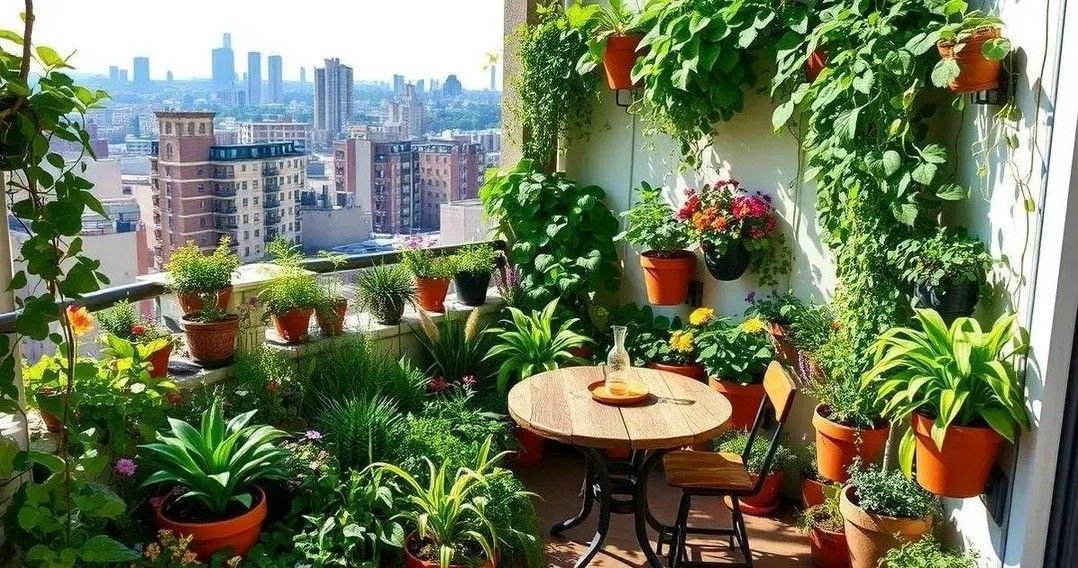
That was three years ago. Today, my apartment balcony is packed with herbs, cherry tomatoes, a dwarf lemon tree, and more basil than I can possibly use. My windowsills have trailing pothos, snake plants, and a little pepper plant that’s been going strong for two seasons.
The transformation didn’t happen because I suddenly became a plant genius. It happened because I made a ton of mistakes, learned from each one, and slowly figured out what actually works in a small apartment space.
Here are the nine most powerful lessons my first indoor garden taught me — the kind of stuff I wish someone had told me before I murdered that poor cactus.
1. Your Light Situation Will Make or Break Everything
This was the first real lesson, and it hit me hard.
I had this beautiful corner in my living room — aesthetically perfect for plants, cozy, near a bookshelf. I put three plants there. All three slowly died over about six weeks. I replaced them. They died too. I thought I had some kind of plant curse.
Turns out, that corner got about 30 minutes of indirect light per day. Plants need way more than that.
Before you buy a single plant or pot, spend one full day tracking sunlight in your apartment. Walk around every two hours and note which windows get direct sun, which get indirect light, and which spots are basically dark all day. Take photos if it helps.
Here’s a simple reference I wish I had early on:
| Light Level | Hours of Sun | Best Plants |
|---|---|---|
| Full Sun | 6+ hours direct | Tomatoes, peppers, herbs |
| Partial Sun | 3–6 hours | Lettuce, spinach, most flowers |
| Low Light | Under 3 hours | Pothos, snake plant, ZZ plant |
| No Natural Light | 0 hours | Grow lights only |
Once I matched my plants to my actual light conditions instead of where I wanted them to look nice, everything changed.
2. Overwatering Is the Silent Killer Nobody Warns You About
I thought loving my plants meant watering them every day. I was basically drowning them with good intentions.
Here’s the truth: most apartment plants — especially in pots — suffer far more from overwatering than underwatering. When roots sit in waterlogged soil, they can’t breathe. They rot. The plant slowly collapses from the inside, and by the time you notice it wilting, it’s often too late.
The fix that saved me was embarrassingly simple: stick your finger an inch into the soil before watering. If it feels damp, wait. If it’s dry, water. That’s it.
I also started using terracotta pots instead of plastic ones after reading about how terracotta is porous and lets soil dry out more evenly. Game changer for plants like succulents, herbs, and anything Mediterranean.
3. Small Containers Are a Trap for Beginners
When I first started, I bought these adorable tiny pots — maybe 4 inches across — because they fit my windowsill perfectly. I planted basil, mint, and parsley in them. The herbs sprouted, looked promising for about two weeks, then just… stalled.
The problem? The roots ran out of space almost immediately. Small containers also dry out incredibly fast, which means you’re stuck watering daily and the plant is constantly stressed.
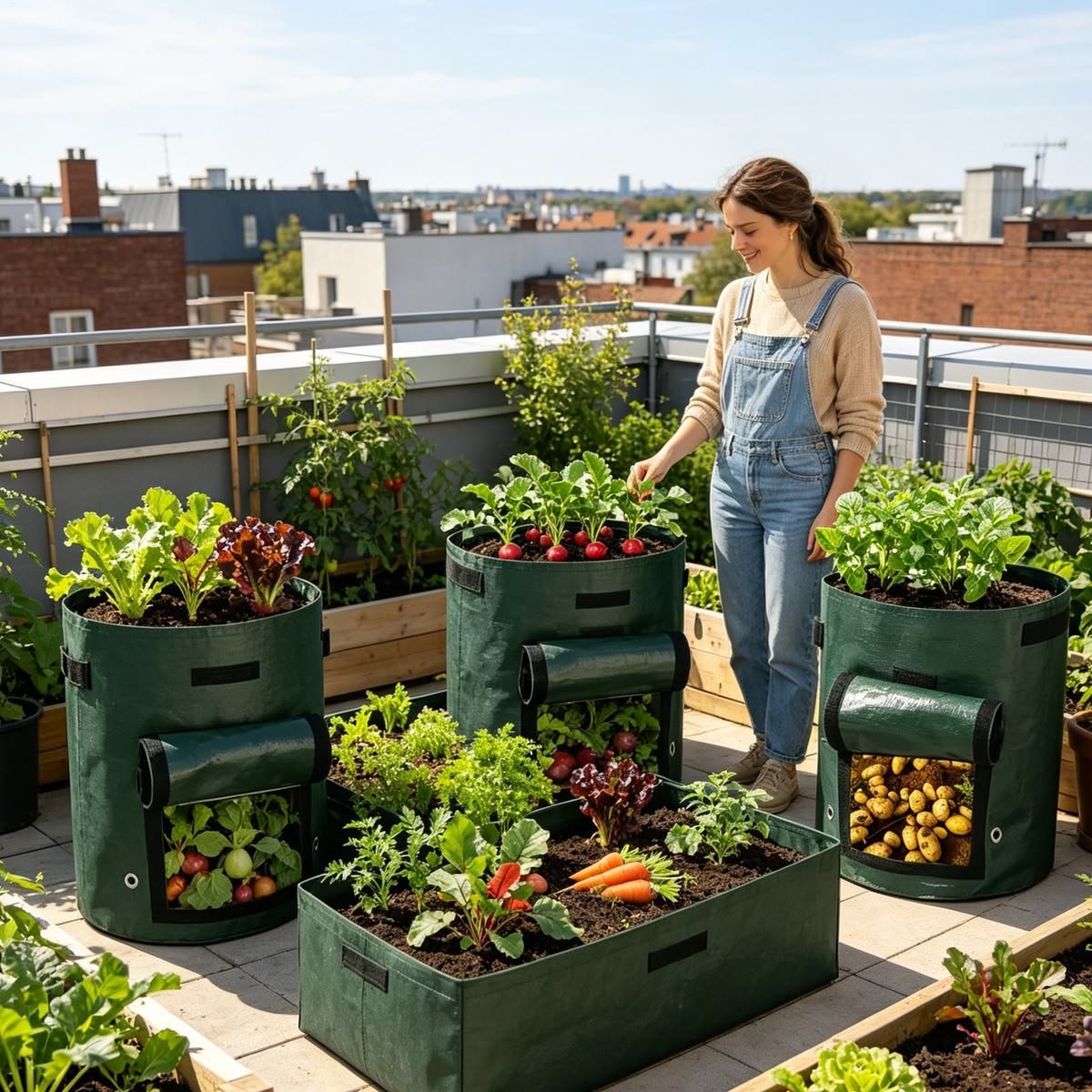
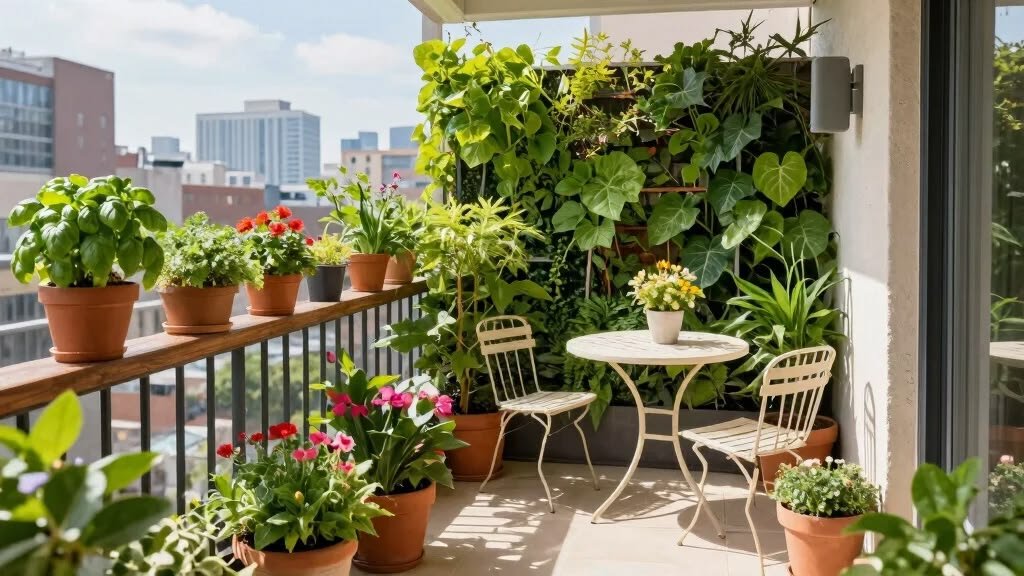
For most herbs, you want at least a 6–8 inch pot. For vegetables like tomatoes or peppers, you’re looking at 5-gallon containers minimum. I know that sounds huge for an apartment, but it makes an enormous difference in how well your plants actually grow.
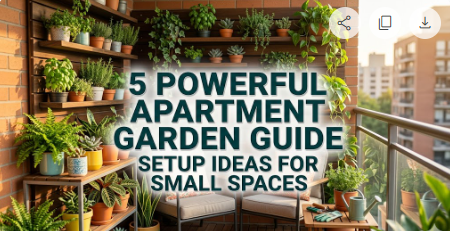
This connects to something I read about 5 Powerful Apartment Garden Guide Setup Ideas for Small Spaces — the idea that smart space use isn’t about going tiny, it’s about going vertical and choosing the right container size for each plant type.
4. Not All Potting Mix Is Created Equal
I grabbed the cheapest bag of soil from a hardware store and used it for everything. Big mistake.
Regular garden soil is too dense for containers. It compacts over time, restricts root growth, and drains poorly. I noticed my water sitting on top and taking forever to soak in — that’s a bad sign.
What you actually want is a quality potting mix (not potting soil — there’s a difference). Good potting mix is light, airy, and usually contains perlite or vermiculite to help with drainage.
For specific plants, the mix matters even more:
- Succulents and cacti: Use a cactus mix or add extra perlite to regular potting mix
- Vegetables and herbs: Standard potting mix with added compost works well
- Indoor tropical plants: A mix with peat moss or coconut coir holds moisture better
I also started adding a thin layer of pebbles or gravel at the bottom of my pots — though I later learned this is actually debated among gardeners. What’s not debated: drainage holes are non-negotiable. Never plant in a pot without drainage holes unless you really know what you’re doing.
5. Herbs Are the Perfect Confidence Builder
After my early failures, I needed some wins. Herbs gave me that.
Basil, mint, chives, and parsley are forgiving, fast-growing, and immediately useful in the kitchen. There’s something genuinely motivating about being able to snip fresh basil onto your pasta from a plant you grew yourself — it makes the whole hobby feel worth it.
My suggestion: start with a herb window box before you try anything more ambitious. Put it near your sunniest window, water it when the top inch of soil is dry, and give it a half-strength liquid fertilizer every two weeks.
The one herb I’d warn beginners about: mint. It grows aggressively and will take over any shared container. Give mint its own pot, or it will bully everything else.
Here’s a quick herb difficulty guide:
| Herb | Difficulty | Sunlight Needed | Notes |
|---|---|---|---|
| Basil | Easy | Full sun | Pinch flowers to extend harvest |
| Chives | Very Easy | Partial sun | Practically grows itself |
| Mint | Easy | Partial sun | Keep in its own container |
| Rosemary | Medium | Full sun | Needs excellent drainage |
| Cilantro | Tricky | Partial sun | Bolts quickly in heat |
| Parsley | Easy | Partial sun | Slow to start, then reliable |
6. Pests Will Show Up — And You Need a Plan Before They Do
About four months into my first garden, I noticed tiny webbing on my pepper plant. Then I saw small insects on the undersides of the leaves. Spider mites. They spread to two other plants within a week before I even figured out what was happening.
Pests in an indoor garden can be annoying but manageable if you catch them early. The problem is most beginners don’t check the undersides of leaves, which is where most pests hide.
Make it a weekly habit to flip leaves over and inspect them. Look for:
- Tiny dots or webbing (spider mites)
- Sticky residue on leaves or pots (aphids or scale)
- Small flies around the soil surface (fungus gnats — usually caused by overwatering)
- White cottony clusters (mealybugs)
My go-to treatment that’s safe for apartment use is neem oil spray — mix a teaspoon of neem oil with a teaspoon of dish soap in a liter of water and spray the whole plant, especially under the leaves. It handles most common pests and isn’t toxic to humans or pets once dry.
For fungus gnats specifically, letting the soil dry out more between waterings usually solves the problem at the root cause (pun intended).
7. Vertical Space Is Your Best Friend in a Small Apartment
This was one of those lightbulb moments that completely changed how I used my apartment for gardening.
I was thinking horizontally — how much windowsill space I had, how many pots fit on my balcony floor. But the vertical space was almost completely untouched.
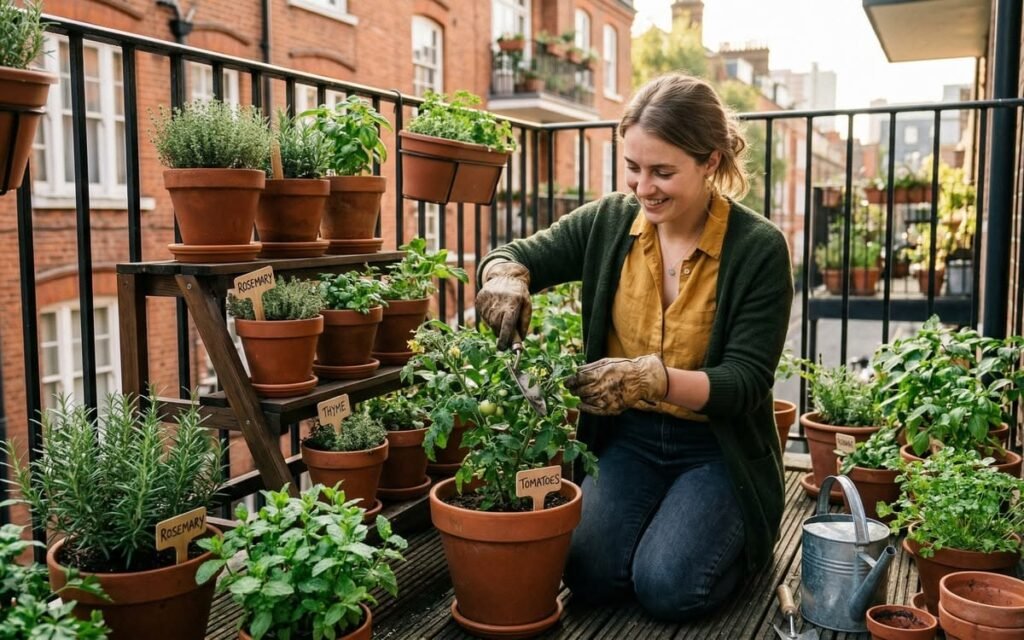
I put up a simple pegboard on one wall near a window and hung small pots and planters from it. I added a tiered plant stand in the corner that went from floor to ceiling level, effectively tripling my growing area. I installed a tension rod in a window frame and hung trailing plants from small hooks.
Ideas that worked really well for me:
- Wall-mounted pocket planters for herbs and succulents
- Tiered plant stands (3–5 tiers) for windowsill areas
- Hanging macramé planters for trailing plants like pothos
- Over-the-door shoe organizers repurposed as vertical herb gardens (works surprisingly well with good light)
- Magnetic planters on a metal backsplash in the kitchen
You can find a lot of inspiration for this in articles about 7 Easy Apartment Garden Guide Vertical Gardening Ideas That Save Space — the key insight being that in a small apartment, you have to stop thinking about floor footprint and start thinking about the full height of your walls.
8. Consistency Beats Intensity Every Single Time
I went through phases early on where I’d be obsessed with my plants for a week — checking them constantly, adjusting their positions, reading forums at midnight — and then get busy and ignore them for two weeks. That inconsistency was terrible for them.
Plants don’t need you to hover. They need reliable, predictable care.
The thing that finally made me consistent was building a simple routine. Every Sunday morning while I’m having coffee, I do a full plant check: water anything that needs it, check for pests, rotate pots so all sides get sun, and pull off any dead leaves.
That’s it. Twenty minutes once a week, plus spot-watering midweek for anything that dries out fast. My plants have never looked better.
If you’re a busy person, an app like Greg (plant care app for iOS/Android) can send you reminders when each plant needs water based on its species and your local conditions. I used it for the first six months and it genuinely helped me build the habit. Now I’ve internalized the schedule and barely need the app.
You can also look at 7 Easy Apartment Garden Guide Routines That Save Time Daily for some practical ways to build a routine that actually sticks.
9. The Learning Never Stops — And That’s the Best Part
Three years in, I still learn something new almost every month. Last fall, I learned about “hardening off” — the process of slowly introducing indoor-grown seedlings to outdoor conditions before leaving them outside permanently. I lost a whole tray of seedlings the previous year not knowing this.
Earlier this year, I started experimenting with grow lights for a small corner that gets zero natural light. I’m using a simple LED grow light strip on a timer (set to 14 hours on, 10 off), and I’m growing lettuce and microgreens year-round now. Total setup cost was around $35 and the results genuinely surprised me.
The apartment gardening community online is also incredibly generous. Subreddits like r/IndoorGarden and r/UrbanGardening are full of people sharing real experiences, not just curated Instagram content. When I had a mystery problem with my lemon tree last spring (yellow leaves despite proper care), I posted a photo and had answers within an hour.
A few final things I’d tell my beginner self:
- Don’t buy ten plants at once. Start with three and learn them well.
- Accept that some plants will die. It’s not failure, it’s education.
- Keep a simple journal — even just notes on your phone — about what’s working and what isn’t.
- Talk to your plants if you want. No judgment here. (Some research suggests the CO₂ from your breath and the vibrations of your voice might actually help, and at minimum, it means you’re spending time observing them.)
- Enjoy the process. The tomato that took three months to ripen tastes better than any store-bought one you’ve ever had, I promise.
Starting an apartment garden is one of the best things I’ve done for my mental health, my cooking, and honestly my overall sense of satisfaction with daily life. It grounds you — literally — in something slow, patient, and real.
You don’t need a big space. You don’t need a green thumb. You just need to start, make some mistakes, and keep showing up.
Also worth reading: 10 Easy Apartment Garden Guide Hacks I Wish I Knew Earlier — some practical shortcuts that would have saved me a lot of headaches in my first year.