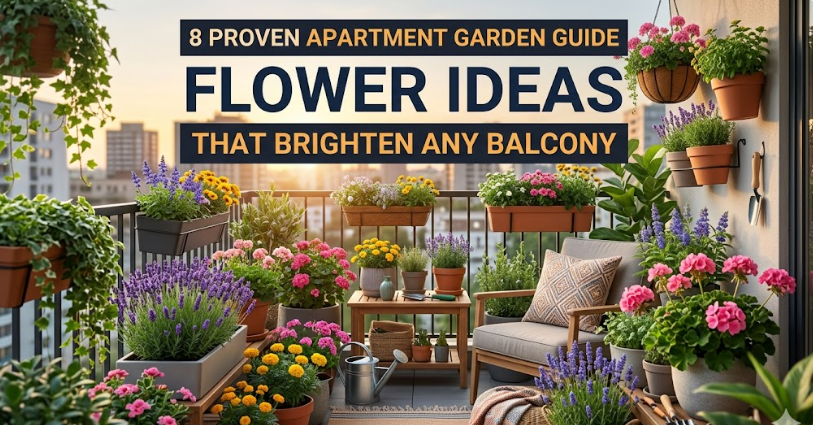
Flower Ideas to Brighten Any Balcony: 8 Proven Apartment Garden Guide
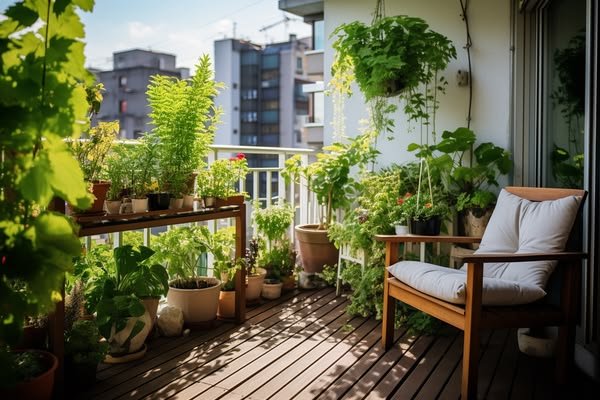
Imagine this: You walk onto your balcony holding a cup of tea. Instead of looking at blank concrete, you are surrounded by colorful blossoms and verdant shrubbery, mulched paths bordered in flowers.
Sounds dreamy, right?
The good news is that this isn’t only for people with big yards or fancy gardens. With the best indoor plant apartment garden guide flower inspirations, even a corner of your little balcony can make for a colorful living area that you smile at every day.
This guide will work for you if you are a total beginner or someone who has attempted (and failed) to have “plant parenthood.” We’ll explore 8 proven flower tips that truly work in tighter spaces and require no fancy gardening knowledge to be effective.
Let’s get growing.
Why Invest in a Balcony Garden?
Before we jump into the flower ideas, let’s discuss why this is important.
A balcony garden is not just decorative. Studies have shown that being near plants decreases stress, improves your mood and even helps clean the air. For apartment dwellers without access to a yard or park, a balcony garden is an escape unto yourself.
Flowers, especially, bring something special. They provide color, lure butterflies and bees, and evolve with the seasons — giving your outdoor space a living, breathing personality.
There are flowering options that will work for a balcony with a few hours of sunlight — or one on a shoestring budget. The secret is to select appropriate plants for your conditions.
Tips for Starting a Balcony Flower Garden
Check Your Sunlight First
Different flowers need different amounts of light. Some love full sun; others like shade. Instead of buying a plant, sit and observe your balcony for a day.
Ask yourself:
- Is my balcony facing south, north, east or west?
- How many hours of sunlight does it receive each day?
- Are there nearby buildings or walls blocking the light?
| Light Type | Definition |
|---|---|
| Full sun | 6+ hours of direct sunlight |
| Partial sun/shade | 3–6 hours |
| Full shade | Under 3 hours |
Know Your Weight Limits
Balconies have weight limits. Soil, pots, plants and water add up. Don’t use garden soil — use a lightweight potting mix instead. Opt for plastic or fabric pots instead of heavy clay or ceramic whenever possible.
Important: If you don’t know how much weight your balcony can withstand, consult with the management at your building before placing large containers.
Think About Wind
Balconies at the top of high-rise buildings can be very windy. High winds dry out soil quickly and can break fragile stems. Something as simple as a trellis, bamboo screens or even a row of taller plants adjacent to the railing can serve as a windbreak.
8 Proven Flower Ideas for Your Apartment Garden
1. Petunias — The Balcony Superstar
If any flower was practically made for balconies, it’s the petunia.
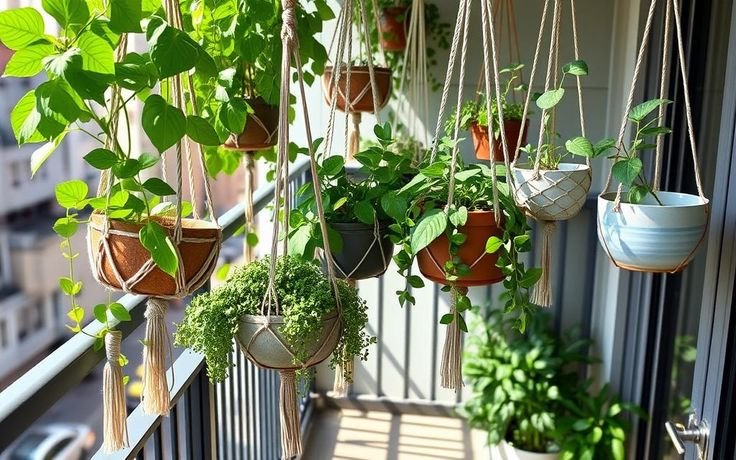
Petunias can be found in almost every color — hot pink, deep purple, soft white, red and yellow as well as striped varieties. They thrive in hanging baskets, window boxes and railing planters. They cascade down in a gorgeous, flowing display that turns any balcony into a professional-looking installation.
Why they work so well:
- They flower from spring into fall
- They handle heat pretty well
- They require little room to stretch out
- They’re widely available and extremely affordable
Care tips: Petunias need consistent moisture — they like damp soil but not waterlogged. Deadhead (pinch off) spent blooms to promote new flowers. For optimal results, provide them at least 5–6 hours of sunshine every day.
| Feature | Details |
|---|---|
| Sunlight Required | Full sun (5–6+ hours) |
| Watering | Regular, keep soil moist |
| Best Container | Hanging baskets, window boxes |
| Flower Time | Spring to frost |
| Difficulty Level | Very easy |
2. Marigolds — Nature’s Cheerful Problem-Solver
Marigolds are one of the most underrated flowers for apartment gardens. They’re bright, bold and really tough. Their sunkissed orange and yellow hues complement concrete walls and railings beautifully.
But the real bonus? Marigolds are a natural insect repellent. If you’re planting herbs or vegetables alongside flowers, marigolds serve as a natural pest deterrent.
Why they work so well:
- Almost impossible to kill — ideal for beginners
- Bloom all summer long
- Deter aphids, mosquitoes and other pests
- Grow happily in small pots
Care tips: Marigolds thrive in sun. Provide them at least 6 hours a day. Water at the base rather than overhead to avoid mildew. Deadhead regularly for continuous blooms.
3. Geraniums — Classic Beauty With a Long Season
Geraniums have been a favorite balcony flower for centuries — and for good reason. They bear dense clusters of blooms in red, pink, coral, white and lavender. Even in small containers, they appear incredibly lush.
They’re also surprisingly drought-tolerant once established. So if you occasionally forget to water (no judgment!), geraniums are very forgiving.
Why they work so well:
- Long blooming season
- Handles some drought stress
- Excellent in window boxes and railing planters
- Requires very little maintenance once established
Care tips: Allow the top inch of soil to dry out between waterings. The most common mistake with geraniums is overwatering. For large, lush blooms, feed them with a balanced liquid fertilizer every two weeks during the growing season.
4. Lavender — Beauty, Scent and Calm All in One
Having lavender on a balcony is an absolute game changer.
In addition to producing beautiful purple flower spikes, the fragrance is deeply relaxing. Being near lavender after a tiring day can genuinely soothe you. It’s also a pollinator magnet, perfect for bees and butterflies.
Why it works so well:
- Incredible fragrance
- Drought tolerant — requires very little water
- Deters mosquitoes naturally
- Elegant in simple terracotta pots
Care tips: Lavender requires full sun and excellent drainage. Never allow it to sit in wet soil — it rots quickly. Choose a pot with drainage holes and a gritty or sandy potting mix. Once established, it hardly needs watering.
💡 Pro Tip: Use dried lavender sprigs from your balcony around the home as natural air fresheners. It’s a beautiful bonus harvest!
5. Calibrachoa (Million Bells) — Tiny Flowers, Big Impact
If you haven’t heard of calibrachoa, get ready to fall in love.
They resemble tiny petunias and flower in generous, abundant clusters. A single plant can produce hundreds of little bell-shaped flowers all at once. They’re available in nearly every color and pattern — solids, stripes, even tie-dye varieties.
They cascade gorgeously from hanging baskets and look glorious spilling over the edges of window boxes.
Why they work so well:
- Extremely prolific bloomer
- No deadheading required
- Looks amazing in hanging baskets
- Very heat and humidity tolerant
Care tips: Calibrachoa prefers regular watering and feeding. Because they flower so abundantly, they need consistent fertilizer all season long. Use a slow-release granular fertilizer, or liquid feed every 1–2 weeks.
Flower Comparison Chart
| Flower | Deadheading Required | Drought Tolerant | Best for Hanging Baskets |
|---|---|---|---|
| Petunia | Yes | Moderate | Yes |
| Marigold | Yes | Good | No |
| Geranium | Yes | Good | Moderate |
| Calibrachoa | No | Moderate | Excellent |
| Lavender | No | Excellent | No |
6. Impatiens — The Shade Garden Hero
Here’s a truth bomb: not every balcony receives loads of sun. North-facing balconies or those shielded by tall buildings can be quite shady.
That’s where impatiens shine.
Impatiens are among the few flowers that actually flourish in shade. They yield mounds of cheerful flowers in pink, red, orange, white and coral — even in areas that receive very little direct sunlight.
Why they work so well:
- Perfect for low-light balconies
- Flower all season long with tons of blooms
- Very affordable and widely available
- Fill pots beautifully right through the growing season
Care tips: Water regularly to keep the soil evenly moist — impatiens don’t want to dry out. They don’t enjoy heat and full sun, so if your balcony gets afternoon sun, place them where they’ll receive only morning light.
7. Nasturtiums — Edible, Easy and Absolutely Gorgeous
In the world of apartment gardening, nasturtiums are a hidden gem.
These colorful, round-leafed plants yield edible blooms in cheerful shades of red, orange and yellow. You can toss them into salads, use them as garnishes or make a peppery nasturtium butter for bread.
They’re fast-growing, free-spreading and thrive with almost no effort.
Why they work so well:
- Edible flowers and leaves — dual purpose
- Thrive in poor soil — no compost needed
- Self-seeds and often returns the following year
- Repels whiteflies and aphids
Care tips: Surprisingly, the secret to happy nasturtiums is a little neglect. Too much fertilizer gives you lots of leaves but few flowers. Simply sow seeds directly into pots in spring and let nature do the rest. They require little watering and enjoy full sun.
🌸 Fun Fact: Nasturtium leaves are mildly peppery, like watercress. The flowers have a more delicate, slightly sweet flavor — making them beautiful, edible decorations for summer desserts!
8. Fuchsias — Exotic Drama for Shady Spaces
Fuchsias are the diva stars of balcony flower land.
Their flowers are like no others — pendulous, bicolor blossoms in striking combinations of pink and purple, red and white, or coral and magenta. They look almost tropical. They spill elegantly from hanging baskets and create a dramatic, eye-catching display.
Best of all, they’re another solid choice for a partially shaded balcony.
Why they work so well:
- Stunning, unique flower shape
- Thrives in partial shade
- Blooms from late spring to fall
- Attracts hummingbirds (if you’re lucky enough to have them in your area!)
Care tips: Fuchsias need regular moisture and cool temperatures. They dislike hot, direct afternoon sun — it burns them. Water regularly and fertilize every two weeks with a high-potassium fertilizer to keep the blooms coming strong.
How to Design Your Balcony Flower Garden Like a Pro
Now that you know your 8 flower options, let’s talk about how to arrange them for the best visual effect.
The Thriller, Filler, Spiller Method
This timeless gardening method works brilliantly on balconies.
- Thriller = A tall, dramatic centerpiece plant (like a tall geranium or lavender)
- Filler = Medium plants that fill in the space around the center (like marigolds or impatiens)
- Spiller = Trailing plants that spill over the edge (like petunias, calibrachoa or fuchsias)
Use this formula in every large container and your arrangements will always look intentional and beautiful.
Use Vertical Space
Balconies may have limited square footage but they’re rich in vertical space. Use:
- Tiered plant stands
- Wall-mounted pockets or pouches
- Trellises with climbing flowers
- Hanging baskets at varying heights
Planting at different heights creates depth and makes your balcony feel considerably larger and lusher.
Play With Color
A few simple color rules:
- Tone-on-tone (shades of one color) looks chic and serene
- Complementary colors like purple and yellow are vibrant and lively
- Warm tones (reds, oranges, yellows) are cheerful and welcoming
- Cool tones (blues, purples, whites) are calming and serene
Balcony Flower Garden Maintenance Schedule
| Task | How Often |
|---|---|
| Watering | Every 1–2 days in summer |
| Deadheading spent blooms | Weekly |
| Fertilizing | Every 1–2 weeks (liquid) or once per month (slow release) |
| Checking for pests | Weekly |
| Repotting if root-bound | Once a season or as needed |
| Cleaning pots and trays | Monthly |
7 Mistakes New Balcony Gardeners Make
- Overwatering — This is the number one killer of container plants. Always check soil moisture before watering. If the top inch is still moist, hold off.
- Incorrect pot size — Too small and roots will cramp. Too large and the soil stays damp too long. Match pot size to the plant.
- Neglecting drainage — Every pot needs drainage holes. Root rot occurs quickly when plants sit in standing water.
- Skipping fertilizer — Container plants use up nutrients quickly. Feeding regularly is essential for healthy, blooming flowers.
- Buying plants before checking light requirements — Read the tag. A sun-loving plant in deep shade will always struggle, no matter how much care you give it.
- Ignoring wind — High balconies can be surprisingly breezy. Use windbreaks to protect delicate plants and reduce moisture loss.
- Planting too late in the season — Most flowering plants need time to establish. Plant in spring for the best results throughout summer and fall.
Frequently Asked Questions
Q: What are the most beginner-friendly balcony flowers? Marigolds, petunias and nasturtiums are the simplest to grow. They’re durable, inexpensive and very forgiving of beginner mistakes.
Q: Can I grow flowers on a north-facing balcony with little sunlight? Absolutely. Impatiens and fuchsias are gorgeous on shaded or north-facing balconies. They flower prolifically and don’t require full sun.
Q: How often should I water balcony flowers? During warm summer weather, most balcony flowers should be watered every 1–2 days. Small pots dry out more quickly than larger ones. Always check the soil first — only water when the top inch feels dry.
Q: What soil is best for balcony flower pots? Use a high-quality potting mix, not garden soil. Potting mix is lighter, drains better and is designed specifically for container growing. For lavender and nasturtiums, a sandier mix is ideal.
Q: Do balcony plants need fertilizer if I use good potting soil? Yes. Even good potting soil is depleted of nutrients after 4–6 weeks of regular watering. Feeding with a liquid or slow-release fertilizer periodically will keep your flowers blooming all season.
Q: Can I combine different flowers in one container? Yes — and it’s often prettier than planting a single species alone! Just ensure the flowers you group together have similar sun and watering requirements. For example, petunias and calibrachoa work beautifully together.
Q: My balcony is near a busy road. Can I safely eat nasturtiums grown there? It’s worth considering. Plants near busy roads can have pollution settle on them. Wash edible flowers thoroughly before eating, or choose a spot farther from the road.
Q: How can I prevent pests on my balcony flowers? Inspect plants weekly. For aphids, spraying with a diluted dish soap and water solution is effective. Planting marigolds nearby will naturally repel many common pests. Avoid overwatering, as excess moisture invites fungus gnats.
Wrapping It All Up
Your balcony — small, shady or bare as it may be — has real potential.
With these 8 apartment garden flower ideas, you’re well prepared to get started. Whether you go with cascading petunias for colorful railing displays, soothing lavender for fragrance and relaxation or the drama of fuchsias for a shady corner, every balcony has its perfect bloom.
The most important step? Just start. Choose one or two flowers based on your light conditions and budget. Get your pots, grab some potting mix and plant something. You’ll be amazed at how quickly a little color can transform your outdoor space — and your mood along with it.
Small spaces deserve beauty too.
Happy growing!