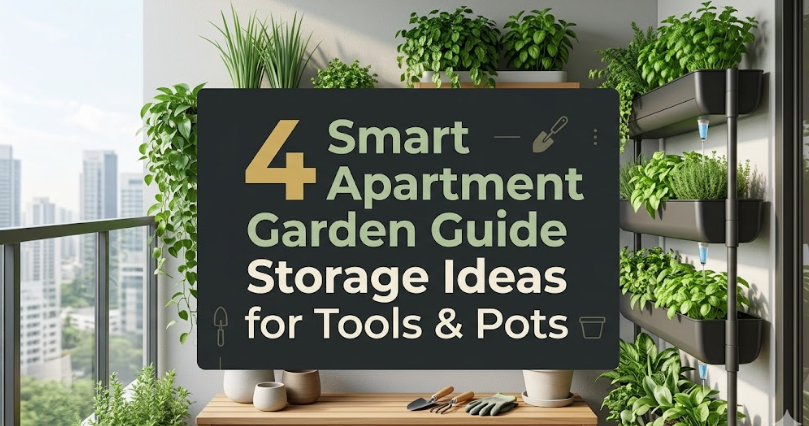
4 Smart Apartment Garden Guide Storage Ideas for Tools & Pots
Living in an apartment doesn’t mean you have to give up on gardening. I learned that the hard way back when I first moved into my tiny one-bedroom place with a balcony barely big enough for two chairs. I wanted fresh herbs and a few flowers, but every time I turned around, my trowel was buried under a pile of empty pots or my pruning shears had vanished into the chaos. Space is precious in these setups, especially when you’re dealing with limited square footage, nosy neighbors, and building rules that frown on anything that looks like permanent clutter. That’s where smart storage comes in. It’s not just about tidying up; it’s about making your garden work for you without turning your balcony into an obstacle course. Over the years, I’ve tested dozens of ideas, some from friends in similar situations and some born out of pure frustration during weekend projects. What I’ve landed on are four approaches that actually deliver: they keep tools sharp and rust-free, pots organized and easy to grab, and everything looking intentional rather than like a yard sale exploded. These aren’t fancy catalog solutions that cost a fortune; they’re practical, renter-friendly, and scalable whether you’re in a high-rise or a ground-floor flat with a small patio. Let’s walk through them one by one, with the kind of details that come from real trial and error, because nothing beats learning what actually holds up through a monsoon season or a scorching summer.
The first idea that completely changed how I garden in tight quarters is vertical storage systems. Picture this: instead of stacking pots on the floor where they collect dirt and block your path, you go up the walls. In apartments, vertical space is often the most underused real estate you have. I started with a simple grid of metal hooks and wooden slats mounted along the balcony railing, but you can adapt it to any sturdy surface. The beauty is it keeps tools like hand forks, gloves, and small spades right at eye level, so you don’t have to dig through a bin every time you want to deadhead a plant. For pots, you use hanging rails or tension rods with S-hooks to suspend smaller terracotta or plastic containers by their rims. I remember one afternoon I spent maybe two hours measuring and drilling into the concrete wall behind my herbs. It felt like overkill at first, but now I can reach my favorite trowel without bending over, and the pots drain properly instead of pooling water that attracts mosquitoes.
To make this work in your space, start by assessing what you’ve got. If your balcony has a solid wall, opt for weather-resistant pegboards – the kind with evenly spaced holes that let you rearrange hooks as your collection grows. I picked up a 2-by-4-foot panel from a local hardware shop for next to nothing and painted it a soft sage green to blend with my plants. Screw it securely with anchors rated for at least 50 pounds; apartments can have thin plaster or concrete that surprises you. Then, organize your tools by frequency of use: daily items like watering cans or mist sprayers on lower hooks, seasonal stuff like bulb planters higher up. For pots, I swear by adjustable hanging baskets or macrame plant hangers that double as storage. One trick I picked up from a neighbor who grows tomatoes in containers is to use magnetic strips along the vertical frame for metal tools – pruners stick right there, no fumbling.
What makes this smart isn’t just the space savings; it’s the protection it offers. Tools left on the ground get stepped on or rained on until the wooden handles swell and crack. Hanging them keeps them dry and visible, so you notice when a blade needs sharpening before it ruins your favorite rose bush. In humid climates, this setup prevents mold on pot rims too. I’ve had setups last three years without rust because I chose galvanized hardware. Cost-wise, you’re looking at under $30 if you shop smart – think thrift stores for old picture frames you can repurpose into mini shelves. Drawbacks? Drilling into rental walls can be a no-go, so command hooks or over-the-railing clamps are your friends there. I tested those on a windy day and they held fine as long as I didn’t overload them.
To really stretch this idea, layer it with zoning. Dedicate one vertical section for soil and amendments in sealed buckets hung low, another for clean tools. I even added small chalkboard labels so guests know where everything lives without asking. It’s transformed my balcony from a cluttered nook into a functional workstation. Friends who visit always comment on how organized it feels, and honestly, it makes gardening more enjoyable because the setup invites you to tinker rather than dread the mess. If you’re just starting, spend a weekend prototyping with cardboard cutouts taped to the wall – measure twice, drill once, as the saying goes. Vertical systems aren’t flashy, but they quietly solve 80 percent of apartment storage headaches right away.
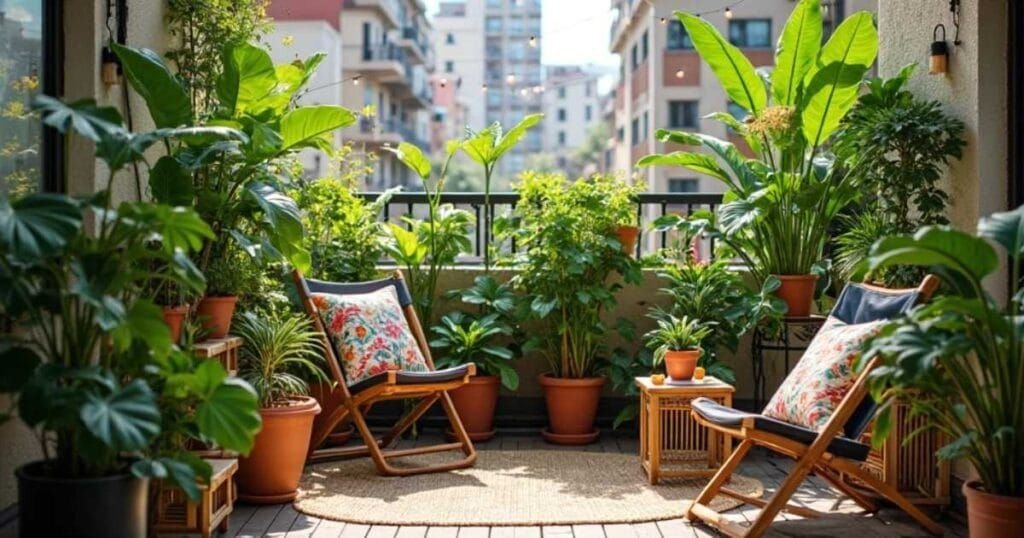
Moving on to the second smart approach, which I call hidden multi-functional furniture storage. This one feels like a secret weapon because it disguises your gear as regular balcony furniture. Think benches, tables, or even oversized planters that open up to reveal compartments. In my case, I built a simple wooden bench from reclaimed pallet wood that seats two people comfortably but lifts to store my larger pots, bags of potting mix, and long-handled tools like rakes or loppers. It sits right against the wall, doubling as extra seating for evening coffee while keeping everything out of sight and weather-protected. You wouldn’t believe how much stuff fits under there once you add dividers – I separated the damp soil from the clean pots with a plastic liner to avoid cross-contamination.
Setting this up takes a bit more elbow grease, but it’s worth it for the dual purpose. Source weather-treated lumber or buy a ready-made storage ottoman designed for outdoors; many come with drainage holes already built in. I lined mine with heavy-duty tarp to handle any leaks from watering cans. Inside, I use stackable crates for categorization: one for clay pots that need winter protection, another for plastic nursery flats I reuse every spring. The lid becomes my potting surface – I just throw down a mat and repot right there without tracking dirt inside. One summer I had a heatwave that dried out my basil overnight, and having the tools and spares hidden but accessible meant I could fix it in minutes instead of hunting through the apartment.
This idea shines in apartments because it respects shared spaces. No one wants to see your collection of half-used fertilizer bags ruining the view. Plus, it adds to your living area; my bench now hosts barbecues in good weather. Maintenance is straightforward – wipe down the exterior monthly and check hinges for rust. I oil them with a bit of WD-40 twice a year. Potential issues include weight limits; balconies have load capacities posted in leases sometimes, so keep the bench under 200 pounds loaded. I weigh mine periodically just in case. For renters, skip permanent builds and go for foldable storage benches from big-box stores that collapse flat for moving day.
I’ve seen this evolve in creative ways. One couple I know turned an old cedar chest into a bench with casters so it rolls out of the way during parties. They store their grow lights and seed trays inside, ready for indoor starts when the weather turns. It keeps the garden feeling intentional, like part of the decor rather than an afterthought. And let’s be honest, when your tools aren’t tripping you up, you’re more likely to actually use them. This hidden storage has saved me hours over the seasons, and it makes hosting friends feel less stressful because everything has its place without screaming “gardener lives here.”
Third on the list is mobile and modular storage solutions, perfect for folks who like to rearrange on a whim or deal with changing light patterns throughout the day. I started with a basic rolling utility cart from the kitchen section – you know, the ones with three tiers and wheels that lock. Mine holds all my hand tools in the top basket, medium pots in the middle, and a small compost bin below. The best part? I wheel it into the sun when repotting or tuck it into a corner when guests arrive. In apartments, flexibility is everything because your garden might shift from shade to full sun as trees leaf out or buildings go up nearby.
To build your own modular system, begin small. Grab interlocking plastic bins or fabric cubes that stack and nest. I label them with waterproof tags: “pruning tools,” “seed starting supplies,” “extra saucers.” For larger pots, use heavy-duty milk crates turned on their sides and mounted on casters – cheap, sturdy, and they let air circulate to prevent mildew. One upgrade I made was adding a pull-out tray from an old drawer for quick access to frequently used items like twine or labels. The mobility means I can move the whole kit to the sink for cleaning without hauling armloads back and forth. During heavy rain, I roll it under an overhang or inside if needed, keeping everything dry.
What I love about modular setups is how they grow with you. Start with one cart and add vertical extensions or side hooks as your collection expands. Mine now has a hanging pouch for gloves and a small whiteboard for notes like “water tomatoes twice today.” Cost is low – under $50 for the basics if you hit sales. The smart angle here is adaptability to apartment life: no drilling, no commitment. If you move, it packs flat. Drawbacks are minimal, but watch for uneven balcony floors; locking wheels prevent rolling accidents. In windy spots, secure taller units with bungee cords to the railing.
I once helped a friend customize hers for a narrow balcony by using slim shoe organizers hung on the side for small pots. She rotates her succulents in and out based on season, and the whole thing feels like a mini greenhouse on wheels. It’s practical for tool maintenance too – easy to wipe down wheels and bins after messy jobs like mixing soil. Over time, this approach has made my gardening sessions more spontaneous. No more “where did I put that?” moments. It’s like having a portable workshop that follows you around the space, keeping the flow natural and the tools ready.
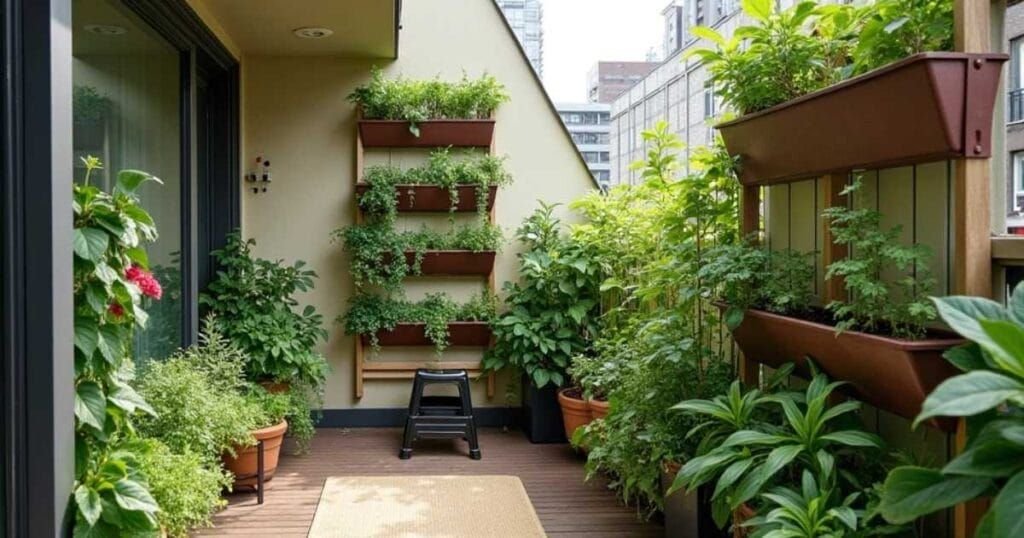
Finally, the fourth idea revolves around creative upcycling and space-saving hacks that turn everyday items into clever storage without spending much. This is where the fun really kicks in for budget-conscious apartment dwellers. I started salvaging an old wooden ladder from a curbside pickup and leaned it against the wall as a tiered pot display. Smaller tools hang from the rungs with carabiners, and larger pots sit on the steps. It’s rustic, charming, and uses zero floor space beyond the base. Another hack: over-the-door organizers from the closet section, repurposed for balcony doors or railings. They hold spray bottles, fertilizers, and even rolled-up shade cloth.
Upcycling keeps things eco-friendly, which matters when you’re trying to garden sustainably. I cleaned out plastic yogurt containers for seed starters and stored them in a hanging shoe rack on the fence. For bulkier items, I built a simple shelf from two cinder blocks and a scrap board – instant pot storage that elevates them off damp concrete. The key is thinking outside the box. Old suitcases become sealed storage for dormant bulbs; wire baskets from dollar stores hang under shelves for gloves and shears. I even turned a discarded bike wheel into a vertical tool spinner with hooks welded on – it spins for easy selection and looks artsy.
This method encourages experimentation. One winter I tested PVC pipe sections cut to size as tool holders mounted horizontally; they keep long-handled items upright and organized. Maintenance involves checking for wear since upcycled pieces aren’t always treated for outdoors – a coat of exterior sealant works wonders. It’s inexpensive, often free if you scavenge, and adds personality to your garden. The downside is aesthetics can feel mismatched if you’re not careful, so I paint or stain pieces to tie into my overall decor. In rentals, these are reversible and won’t leave marks.
What ties all these ideas together is how they address the core apartment challenges: limited space, weather exposure, and the need for quick access. I’ve combined elements from each – vertical grids on the wall, a mobile cart underneath, hidden bench storage, and upcycled accents – and my balcony now supports a thriving mix of veggies, flowers, and herbs without feeling cramped. Tools stay sharp longer, pots don’t crack from neglect, and I actually look forward to tending the garden instead of dreading the setup time.
If you’re just dipping your toes in, pick one idea and run with it. Measure your space, list your must-have tools and pots, then scale up gradually. Over the last five years, these four strategies have saved me countless hours and prevented more than a few arguments with roommates about clutter. Gardening in apartments is about working smarter, not harder, and these storage solutions prove that a little creativity goes a long way. Whether you’re growing microgreens on a windowsill or full tomatoes on a balcony, organized tools and pots make the difference between a hobby that fizzles and one that flourishes season after season. Give them a try, tweak as you go, and watch your small-space garden transform into something efficient, beautiful, and truly yours.