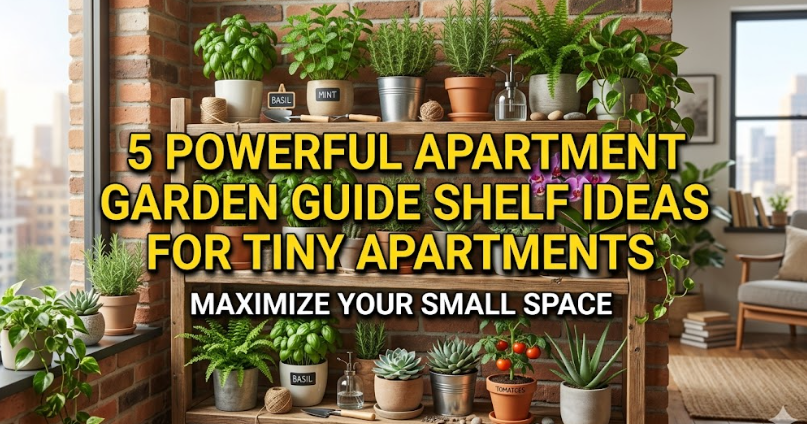
Ideas for Using Apartment Garden Guide on Your Shelf
5 Colorful, Compact Shelf Setups Ideal for a Studio
Do you live in a tiny apartment and dream of having a garden? You’re not alone. Hundreds of millions of people living in urban areas around the globe want to grow plants but feel trapped by lack of space.
The good news is, you don’t need a backyard to have a gorgeous garden. You just need the right shelf setup.
A well-researched and planned apartment garden guide shelf can create a green oasis out of a blank wall, narrow balcony, or even simply a corner in your kitchen. Whether you’d like to have fresh herbs on hand for cooking, colorful flowers for decorating your room, or air-purifying plants for a healthier living space — shelves can make it happen.
You will find 5 shelf ideas in this guide that are practical, budget-friendly, and great for small apartments. Each idea includes pointers, plant recommendations, and all you need to get going.
Let’s dive in.
Why Shelves Are the Secret Weapon of Apartment Gardening
Before we get to the ideas, let’s talk about why shelves are so effective in small spaces.
The common thread with most small apartments? Not much floor space. But they nearly always have walls. Shelves allow you to leverage vertical space — the space that goes up — rather than extending outward across the floor.
This simple shift changes everything.
By using vertical space, you can grow multiple plants in the same horizontal area, group plants by their sunlight requirements, and create a visually attractive focal point in your apartment.
Research suggests that plants in the home reduce stress, increase air quality, and elevate mood. So an apartment garden shelf can be more than just aesthetically pleasing — it’s about making a healthier, happier home.
What to Consider Before Choosing a Shelf
Not every shelf is right for every apartment. Here are some things to keep in mind before you decide:
Sunlight: Where does light enter your apartment? South-facing windows get the most sun; north-facing ones, the least. Your plants need to be placed where their light requirements are met.
Weight: Soil and pots can be heavy. Make sure your shelf — and wall, if it’s mounted — can support the weight.
Water access: Are all the plants easily reachable to water? Hard-to-reach plants often get neglected.
Humidity and airflow: Shelves that are too enclosed can trap moisture and encourage mold. Ensure proper air circulation around your plants.
Budget: Shelves range from cheap DIY builds to pricier store-bought units. Know what you’re working with.
Concept #1 — The Floating Wall Shelf Garden
What It Is
Floating shelves have no visible legs or supports and are mounted directly to the wall. They look clean, modern, and minimal — ideal for tiny apartments where clutter is the enemy.
A floating wall shelf garden involves installing two to four shelves at varying heights near a window, with each shelf holding one row of small to medium pots.
Why It Works So Well
Floating shelves make use of dead wall space that would otherwise go to waste. A blank wall by a sunny window becomes a living sculpture.
They’re also incredibly versatile. You can line them up in a straight row, arrange them in a staircase pattern, or set them out in a zigzag layout depending on your taste.
Best Plants for This Setup
| Plant | Light Need | Watering | Why It’s Great |
|---|---|---|---|
| Pothos | Low to Medium | Weekly | Trails nicely off shelves |
| Snake Plant | Low | Every 2 weeks | Nearly impossible to kill |
| Herbs (Basil, Mint) | High | Every 2–3 days | Great for cooking |
| Succulents | High | Every 10–14 days | Small and low-maintenance |
| Spider Plant | Medium | Weekly | Grows “babies” that trail down |
Setup Tips
Set your lowest shelf at least 12 inches above a table or countertop to give plants room to breathe. Space shelves vertically 12–16 inches apart so taller plants aren’t cramped.
Use lightweight pots — plastic or thin ceramic — to reduce wall stress. Add small hooks beneath each shelf for trailing plants such as pothos or string of pearls, for extra visual depth.
If your shelves are mounted, paint the wall behind them a deep color such as forest green or charcoal. It makes the greenery pop dramatically.
Cost Estimate
Basic floating shelf kits start at approximately $15–$30 per shelf. A simple three-shelf system placed near a window can run as low as $50–$80 total, including basic pots and soil.
Concept #2 — The Ladder Shelf Plant Stand
What It Is
A ladder shelf is a freestanding shelving unit that leans against the wall at an angle, much like a ladder. It typically has four to five horizontal rungs or shelves, with a few plants on every level.
Ladder shelves are a top choice among apartment garden shelf types because they require no drilling or wall mounting. You simply prop them against the wall and decorate.
Why It’s Perfect for Renters
If you rent your apartment, you won’t want to put holes in the walls. Ladder shelves entirely solve that problem.
They’re also portable. When you rearrange your furniture or move to a different apartment, your entire garden setup goes with you.
Arranging Plants for Maximum Impact
Use height variation to create a great ladder shelf garden. Place your tallest and most dramatic plants — such as a mini fiddle-leaf fig or large snake plant — on the lowest rungs. Use medium plants in the middle and small trailing plants or succulents at the top.
This creates a pyramid effect that appears intentional and polished, rather than haphazard.
Light Placement Strategy
Position your ladder shelf so the top rungs receive the most direct sunlight. Plants that require lots of light should go on the upper rungs. Plants tolerant of low light, such as peace lilies or ferns, can sit on the lower, shadier rungs.
Bonus Tip — Double Your Space
Some ladder shelves feature hooks on the sides. Use these for hanging small macramé plant holders or clip-on pot holders. This essentially doubles your planting space without occupying any additional floor area.
A plain wooden ladder shelf costs $40–$80 at most furniture or home stores. Metal versions cost a little more but tend to last longer.
Concept #3 — The Window Sill Tiered Shelf System
What It Is
Most apartments have at least a modest window sill. A tiered shelf system fills that space right inside the window frame, taking full advantage of that sunny spot.
These shelves, often made of thin wood or metal, provide a few levels of growing space where once there was only one flat ledge.
Why the Window Is So Valuable
Light is the most important limiting factor in apartment gardening. Your window lets in the most light your home has to offer. Placing a tiered shelf right there gives your plants maximum sun exposure throughout the day.
South-facing windows with tiered shelves can accommodate a surprisingly wide variety of plants — even ones that typically require outdoor sun levels.
Top Plant Combos for Window Ledges
Tier 1 (Top — Most Light):
- Cherry tomatoes (in small containers)
- Basil and cilantro
- Succulents and cacti
Tier 2 (Middle — Moderate Light):
- Rosemary
- Mint
- Aloe vera
Tier 3 (Bottom — Indirect Light):
- Pothos
- Peace lily
- African violets
This setup automatically organizes plants according to their light needs — no guesswork involved.
Things to Watch Out For
In summer, window sills can become very hot, particularly if your window faces south or west. Soil near glass dries out faster, so check moisture levels more often during warm months.
In winter, the spot right next to cold glass can be too chilly for tropical species. During the coldest months, consider pushing sensitive plants back a few inches from the pane.
Tiered window shelf kits are available online starting around $25–$50.
Idea #4 — The Pegboard Wall Garden
What It Is
A pegboard is a flat panel with many small holes arranged in a grid. Metal hooks and brackets slide into the holes to hold shelves, pots, tools, and accessories. Once reserved for garages and workshops, pegboards have become very popular among apartment gardeners.
The beauty of a pegboard is total customization. No tools needed — everything rearranges in minutes.
Why This Is the Most Versatile Apartment Garden Shelf Choice
No two apartments are exactly alike. Your windows, wall space, and plant collection will evolve over time.
A pegboard is versatile enough to handle all of that. Add a shelf here, shift a hook there, hang pots in new locations — the adjustments take seconds.
How to Set It Up
Mount one large pegboard panel on a wall close to your light source. A 2×4 foot panel can hold 10–15 plants depending on pot sizes. Aim for a healthy mix of flat shelves (for pots), individual hooks (for hanging planters), and small bins (for tools, misting bottles, and soil scoops).
Paint your pegboard before attaching it to the wall. White gives a light and airy feel. Black looks ultra-modern. Soft sage green has major garden-shed vibes.
What to Grow in a Pegboard Garden
Pegboard gardens are made for herbs. They’re small, love light, and do well planted close together. Try this combination:
- Basil
- Oregano
- Thyme
- Parsley
- Chives
- Mint (keep in its own pot — it spreads aggressively)
Tuck in a few small succulents or air plants to fill negative space and add variety.
Cost Breakdown
| Item | Estimated Cost |
|---|---|
| Pegboard panel (2×4 ft) | $15–$25 |
| Hook and bracket set | $10–$20 |
| Small pots (set of 6) | $10–$20 |
| Paint (optional) | $5–$10 |
| Total | $40–$75 |
Concept #5 — The Corner Étagère Tower Garden
What It Is
An étagère (pronounced: “ay-ta-ZHAIR”) is a tall, open-frame shelving unit with multiple tiers. Corner étagères are designed to fit neatly into a corner, making use of that often-overlooked space.
Most corner étagères come with three to five vertically stacked shelves. They are freestanding and require no wall mounting, occupying almost no floor footprint as they tuck neatly into the corner.
Why Corners Are Underrated in Small Apartments
Corners are the most underutilized spaces in any apartment. Most people put a lamp there, maybe a fake plant, and move on. But corner areas near windows — especially rooms where two walls meet close to a natural light source — are actually excellent spots for plants.
A corner étagère tower can house 12–20 plants on a footprint of no more than two square feet of floor space.
The Cascading Plant Design Trick
The best way to fill a corner étagère is with a cascading design. Place the tallest, most upright plants at the bottom. Transition to medium-height bushy plants in the middle. Finish with small and trailing plants at the top.
Trailing plants such as pothos, string of hearts, or ivy will cascade downward and fill the gaps between shelves with hanging greenery — creating a lush, layered effect that looks like something out of an interior design magazine.
Pairing with a Grow Light
Corner positions usually receive less natural light than window sills or wall shelves. If your corner is a bit dim, add a small clip-on or shelf-mounted grow light. Modern LED grow lights are inexpensive, energy efficient, and do a great job supplementing natural light.
A simple grow light bar for one or two shelves starts around $20–$40 and can be a game changer for light-loving plants such as herbs or flowers.
Great Plant Picks for Corner Towers
- Lower shelf: Monstera deliciosa, ZZ plant, or cast iron plant
- Middle shelves: Ferns, prayer plants, or philodendrons
- Top shelf: Pothos, string of hearts, or Boston fern (to trail)
Corner étagère units average $50–$120 depending on material (bamboo, metal, or wood) and number of shelves.
Side by Side: All 5 Apartment Garden Shelf Ideas
| Shelf Type | Space Required | Setup Difficulty | Best For | Avg. Cost |
|---|---|---|---|---|
| Floating Wall Shelves | Minimal (wall space) | Medium (drilling) | Owners, modern aesthetics | $50–$80 |
| Ladder Shelf Stand | Small floor footprint | Easy (no drilling) | Beginners, renters | $40–$80 |
| Window Sill Tiered Shelf | Just the window | Easy | Sun-lovers, herbs | $25–$50 |
| Pegboard Wall Garden | One wall panel | Medium | Customizers, herb gardens | $40–$75 |
| Corner Étagère Tower | One corner | Easy | Dim rooms, large collections | $50–$120 |
Quick Maintenance Tips for Thriving Shelf Gardens
Regardless of which setup you choose, these habits will keep your apartment garden healthy and growing:
Water smartly. Avoid watering on a fixed schedule. Insert your finger about one inch into the soil. If it’s dry, water. If it’s still moist, wait.
Rotate your plants. Give pots a quarter turn each week so all sides receive equal light. This prevents lopsided, leaning growth.
Clean your leaves. Dust accumulates on plant leaves and blocks sunlight. Wipe them down every couple of weeks with a damp cloth.
Check for pests regularly. Early signs include tiny white specks, sticky residue, or small bugs. They spread quickly — catch them early and treat with neem oil.
Feed during the growing season. In spring and summer, apply a diluted liquid fertilizer every two to four weeks. Skip it in fall and winter, when most plants go dormant.
FAQs
Q: Will vegetables really grow on an apartment shelf? Yes! Small varieties such as cherry tomatoes, lettuce, radishes, and peppers do well in containers on shelves — particularly when placed near sunny windows or under grow lights.
Q: What is the weight limit for floating shelves? Most standard floating shelf brackets support 20–50 lbs. per shelf. Always check the manufacturer’s weight limit and use wall anchors if you aren’t drilling into a stud.
Q: What is the best low-light plant for a shelf that gets very little sun? Snake plants, pothos, ZZ plants, and peace lilies are excellent low-light choices that thrive on shelves away from direct sunlight.
Q: Do I need special soil for shelf gardening? Not always. Most plants do well in a good-quality all-purpose potting mix. For cacti and succulents, use a fast-draining cactus mix. For herbs, a blend with added perlite improves drainage.
Q: How can I avoid water damage to my shelves? Always use pots with drainage holes and place a saucer underneath. Water your plants in the sink when possible. Install waterproof liners on wooden shelves to protect against moisture damage.
Q: Does a grow light use a lot of electricity? Not really. A standard LED grow light bar uses about as much electricity as a regular light bulb. Running it 12–14 hours a day may increase your monthly power bill by roughly $1–$3.
Q: How many plants can I fit on a standard ladder shelf? A five-rung ladder shelf can comfortably accommodate approximately 10–15 plants, depending on pot sizes. Combine larger pots on the bottom rung with smaller 4-inch pots on upper rungs.
Wrapping It Up
A small apartment with no backyard is no barrier to growing a beautiful garden. No matter how compact your city apartment is, it can look lush, alive, and full of nature with the right shelf setup.
Here’s a quick recap of the 5 ideas covered in this guide:
- Floating Wall Shelves — Clean, modern look; great for walls near a window
- Ladder Shelf Stand — Affordable, portable, and easy to set up
- Window Sill Tiered Shelf — Makes the most of your best light source
- Pegboard Wall Garden — Highly customizable; perfect for herb enthusiasts
- Corner Étagère Tower — Puts forgotten corners to work
Start with one system that matches your budget and space. Add plants gradually as you learn what thrives in your particular apartment. In time, you’ll have the indoor garden you’ve always dreamed of — one shelf at a time.
Your apartment walls are waiting. Start growing.