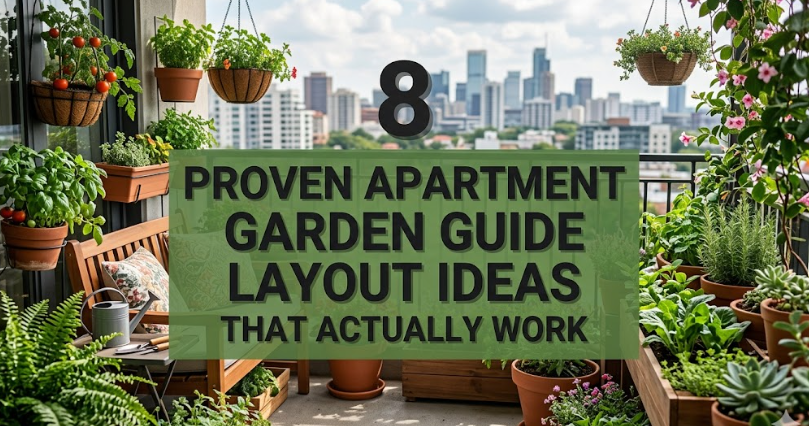
8 Real Apartment Garden Guide Layout Ideas That Work
Meta description: Apartment garden guide layout ideas that can turn your tiniest balcony and windowsill into a lush space of greenery. Learn 8 designs that work in the real world.
If you live in an apartment, you might assume that gardening isn’t possible. No backyard. No garden beds. No space to dig.
But here’s the thing — you don’t need a yard to grow a beautiful, productive garden.
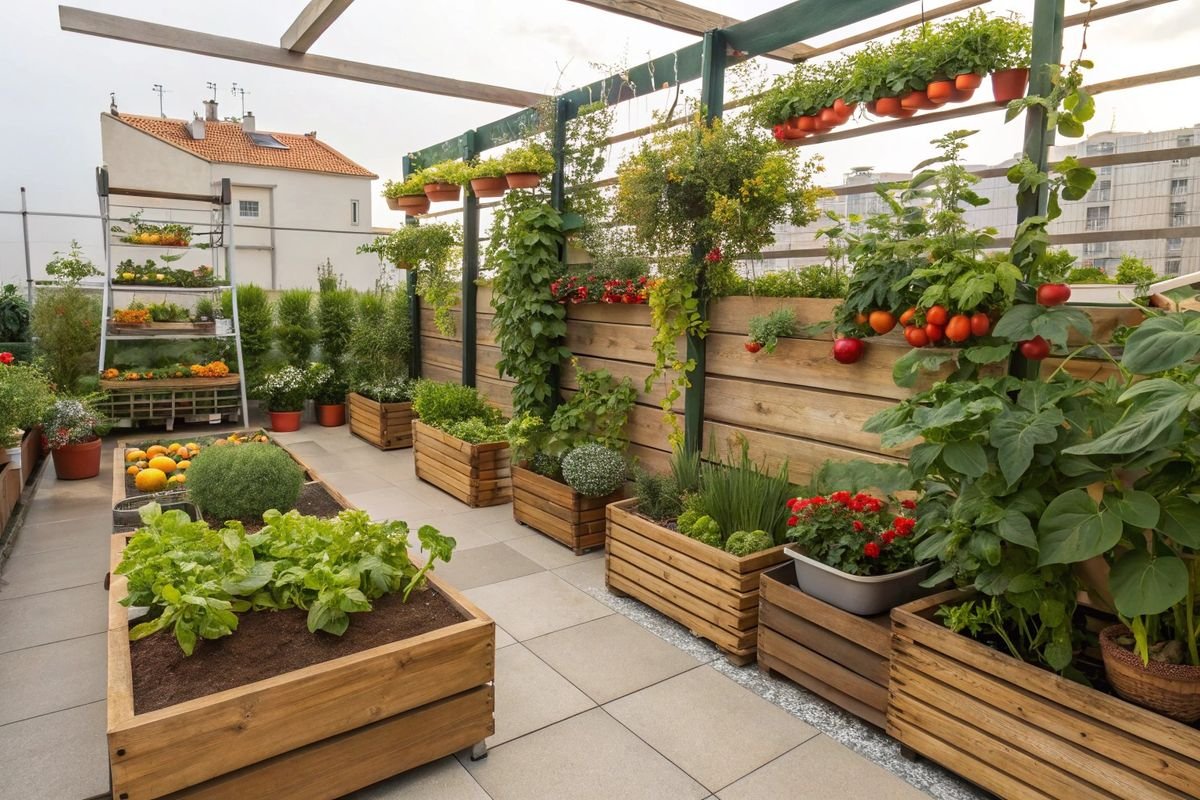
The right apartment garden guide layout can transform even the tiniest balcony, sun-soaked windowsill, or blank wall into a verdant growing space. It’s something millions of people around the world are doing right now.
This guide takes you through 8 practical, affordable, and field-tested layout solutions. Whether you want fresh herbs to cook with, colorful flowers, or even small vegetables, there’s an arrangement here that will suit your space and your lifestyle.
Let’s dig in.
Why Choosing Your Apartment Layout Is More Important Than You Realized
Before diving into the ideas, let’s discuss something that most people don’t even consider — the layout decision itself.
The wrong layout for your apartment can mean:
- Not enough light for your plants
- Pots that impede doorways or create hazards
- Containers that restrict your plants’ growth
- Money wasted on setups not designed for your space
Your layout is the foundation. Get it right and everything else gets easier. Get it wrong and you’ll be battling your garden every week.
That’s exactly what these 8 ideas are designed to help you avoid — so you can set up your apartment garden with confidence from day one.
Which Layout Is Right for You?
Use this as a starting point. Choose the layout that suits your space, budget, and comfort level — then read its full section below.
Layout Idea 1 — The Vertical Wall Garden
What It Is
A vertical wall garden grows plants up rather than out. You build a living “plant wall” using wall-mounted pockets, planters, or a freestanding grid panel.
This layout is a top favorite in any apartment garden guide because it transforms wasted wall space into something functional and beautiful.
How to Set It Up
You have a few options:
- Fabric pocket panels — hang on a wall or fence; each pocket holds one plant
- PVC pipe sections — drill holes and add soil; mount horizontally on the wall
- Pallet gardens — prop a wooden pallet against the wall and tuck small plants between the slats
- Modular plastic systems — stackable plastic units available at most garden stores
The trick is to select plants that don’t require deep roots. Shallow-rooted herbs and flowers thrive here.
Top Plants for a Vertical Wall Garden
Herbs such as basil, mint, parsley, and chives do well in a vertical setup. Greens like lettuce and spinach work too. For flowers, consider pansies, petunias, and nasturtiums.
Things to Watch Out For
Watering can be uneven. The pockets at the top dry out more quickly than those at the bottom. Use a watering can with a long spout to reach every row, or invest in a basic drip irrigation line.
Also, make sure your wall or balcony railing can support the weight of soil-filled pockets when wet.
Pro tip: Line fabric pockets with a thin sheet of plastic to reduce water leaking onto your floor or wall.
Layout Idea 2 — The Windowsill Herb Strip
Why It Works So Well
This is the most accessible layout in any apartment garden guide. It requires almost no investment to get started, and the payoff is instant.
Your kitchen windowsill is warm and gets light — making it perfect for growing the herbs you actually use when cooking.
Setting Up Your Herb Strip
You’ll need just a row of small pots or a long rectangular planter box. Position it on the windowsill so every pot receives at least 4–6 hours of direct sunlight each day.
In a standard windowsill, 3–5 small pots fit comfortably.
The Best Herb Combinations
| Window Direction | Light Level | Best Herbs |
|---|---|---|
| South-facing | Full sun | Basil, rosemary, thyme, oregano |
| East-facing | Morning sun | Parsley, chives, cilantro |
| West-facing | Afternoon sun | Mint, sage, lemon balm |
| North-facing | Low light | Chives, parsley (grow slowly) |
Maintenance Tips
Herbs grow fast. Pinch them back regularly to prevent leggy growth. Clipping the tops frequently actually promotes bushier, healthier growth.
Only water when the top inch of soil is dry. The biggest mistake people make with windowsill herbs is overwatering.
Layout Idea 3 — The Tiered Shelf Garden
The Logic Behind This Layout
Think of it as a bookshelf — but for plants.
A tiered shelf garden makes efficient use of vertical height. Each shelf level supports a row of pots, and since light filters down from above, sun-loving plants go on the upper shelves while shade-tolerant ones sit below.
This is an especially strong layout for a small balcony or a corner of a room near a window.
Choosing the Right Shelf
Look for:
- Metal or treated wood construction if it’s going on a balcony
- At least 3 tiers for maximum impact
- A depth of 8–12 inches to securely hold standard pots
- A jutted rim to keep pots from falling
A freestanding plant stand works well for this. Some are even specifically designed with this layout in mind.
What to Grow on Each Tier
The tiered system is effective because it mimics the way light naturally behaves — most intense at the top, diffused lower down. Place your most light-hungry plants up high and shade-tolerant varieties closer to the ground.
Layout Idea 4 — The Hanging Basket Cluster
Taking Advantage of Overhead Space
Most apartment gardeners think only about floor space and wall space. They forget the ceiling.
Hanging baskets let you use overhead space — meaning you’re not sacrificing any floor or shelf space at all. On a balcony, you can suspend baskets from the ceiling, a beam, or even a heavy-duty curtain rod.
Indoors, ceiling hooks do the job — but they should be drilled into a stud or ceiling joist.
Creating a Cluster Effect
Rather than a single hanging basket, create a group of 3–5 baskets hung at varying heights. The result is a layered effect that feels intentional and lush, not haphazard.
Vary the heights enough to allow airflow between the baskets, but keep them close enough to feel cohesive. Use coordinating pot colors, or natural materials like coir or wicker for a seamless look.
What to Plant in Hanging Baskets
Trailing plants are natural fits:
- Strawberries — edible and beautiful
- Nasturtiums — trailing flowers that are also edible
- Sweet potato vine
- Trailing petunias
- Herbs such as creeping thyme or cascading rosemary
Weight and Safety
A hanging basket with wet soil and a healthy plant can weigh 5–15 pounds. Always use ceiling hooks rated for that weight, and check them regularly — hooks can loosen over time.
Layout Idea 5 — The Elevated Container Garden
A Garden Bed for Your Apartment
You can’t sink a raised bed into an apartment balcony floor — but you can place a raised container bed on top of it.
These large, deep containers — typically rectangular — sit directly on the balcony floor. They function just like a traditional garden bed, but they’re portable and self-contained.
This layout is ideal for apartment gardeners who are serious about growing vegetables.
Choosing Your Container Bed
Look for these features:
- At least 12 inches deep (deeper for root vegetables like carrots)
- Food-safe materials if you’re growing edibles
- Drainage holes or a self-watering reservoir at the bottom
- A manageable weight — large containers filled with soil can get very heavy
Fabric grow bags are a great lightweight alternative. They’re inexpensive, breathable (which helps prevent root rot), and fold flat when not in use.
Best Plants for Container Beds
If you’re a beginner, start with shallow-rooted crops such as lettuce and radishes. They’re forgiving, fast-growing, and rewarding.
Layout Idea 6 — The Trellis Climbing Garden
Growing Up, Not Out
Some plants want to climb. Work with that instinct and you’ll end up with a garden that’s lush, green, and productive — without taking up much floor space at all.
A trellis garden uses a vertical support structure attached to your balcony railing or a freestanding stand, training climbing plants to grow upward.
How to Set Up a Trellis on Your Balcony
A simple trellis is nothing more than a grid of wire or wood. You can:
- Attach it to your balcony railing using zip ties or wire
- Use a freestanding A-frame trellis that sits on the floor
- Mount it to the wall with hooks
Position the trellis where it will receive the most light — typically facing outward or upward.
Plants That Love to Climb
- Cucumbers — fast growers, prolific producers
- Pole beans — remarkably easy to grow
- Peas — cool-weather plants, perfect for spring and fall
- Morning glory — a flowering vine for aesthetics
- Passionfruit — ideal if you’re in a warm climate and have patience
- Small-fruited squash — use mesh netting to support the fruit
Use soft plant ties or strips of old fabric to loosely secure young stems to the trellis. Never use wire directly against a plant stem.
Layout Idea 7 — The Indoor Grow Light Station
Gardening Without Sunlight
Not every apartment has a south-facing balcony or a sunny kitchen window. If natural light is limited in your space, don’t give up on your apartment garden goals.
A grow light station lets you garden in any room, any season — no window placement required.
What You Need
The basic setup is simple:
- A shelf (metal wire shelves work best)
- LED grow lights — one strip per shelf, mounted underneath the shelf above
- A timer — set for 14–16 hours of light per day
- Shallow trays or pots sized to fit your shelves
The cost of LED grow lights has dropped significantly. A full-spectrum LED strip for one shelf now costs around $20–$40 and uses very little electricity.
How Close Should Lights Be to Plants?
This varies by light intensity, but as a general guideline:
- Seedlings: 2–4 inches from the light
- Established herbs and greens: 4–8 inches from the light
- Fruiting plants: 8–12 inches from the light
Raise the lights as your plants grow.
What to Grow Under Lights
Grow lights work especially well for herbs, microgreens, and leafy greens. These don’t require the high light intensity that fruiting plants need.
Tomatoes and peppers can work, but they’ll need a more powerful light and will require hand pollination indoors since there are no insects to do the job.
Layout Idea 8 — The Hydroponic Tower
Growing Without Soil
Hydroponic gardening may sound complex, but the core concept is simple: instead of soil, plants grow in nutrient-rich water.
A hydroponic tower is a vertical column — usually 3–5 feet tall — with planting holes along its sides. Water flows from a reservoir at the bottom, up through the column, and drips past each plant’s roots.
This is the most technical of the eight layouts, but also one of the most rewarding.
Why Hydroponics Is a Perfect Fit for Apartments
- Reduces water consumption by up to 90%
- Plants grow 2–3 times faster than in soil
- No dirt, no mud, no ground-borne pests
- Compact footprint — one tower occupies less than 1 sq. ft. of floor space
- Works indoors year-round
What You Can Grow
Hydroponic towers excel with fast-growing leafy crops:
- Lettuce (multiple varieties)
- Spinach and kale
- Basil and other herbs
- Strawberries
- Swiss chard
Fruiting plants like tomatoes are possible but require larger systems and more light.
Getting Started With Hydroponics
You have two options — buy a pre-built tower kit or build your own from PVC pipe.
Pre-packaged kits from brands like AeroGarden or Tower Garden cost more upfront but include everything you need, lights included. DIY versions made from PVC pipe and a small aquarium pump can cost as little as $30–$50 in materials.
How to Pick the Best Layout for Your Apartment
Not sure which layout is right for you? Ask yourself these four questions:
- How much natural light do you have? If you have a bright, sunny balcony or south-facing windows, you have plenty of options. If light is limited, look at the indoor grow light station or hydroponic tower.
- How much floor space do you have? If floor space is tight, go vertical. The wall garden, windowsill strip, and hanging basket cluster all take up zero floor space.
- How much time can you commit? Herbs and greens are low-maintenance. Tomatoes, cucumbers, and hydroponic systems need more regular attention.
- What’s your budget? Start with the windowsill herb strip or a vertical pocket panel — both cost under $30 and deliver quick results. Once you’re hooked, upgrade from there.
Combining Layouts for Maximum Impact
The best apartment gardens don’t stick to a single layout. They blend two or three approaches that complement each other.
Here are three popular combinations:
- Starter combo: Windowsill herb strip + 1 hanging basket on the balcony — cheap, low-maintenance, and easy to set up.
- Full balcony transformation: Tiered shelf garden + railing trellis + hanging baskets — turns an empty patio into a lush retreat.
- Indoor all-season setup: Grow light station for herbs + hydroponic tower for leafy greens — no balcony needed, grows year-round.
Common Mistakes to Avoid
Even with the best layout, these common mistakes can derail your garden:
- Overwatering. This is the number one cause of death for potted plants. Always check whether the soil is dry before watering. If the top inch is still moist, wait another day.
- Wrong pot size. A pot that’s too small restricts growth. A pot that’s too large can cause soggy soil and root rot. Match pot size to plant size.
- Ignoring light requirements. Every plant has a light requirement — take it seriously. A sun-loving plant in shade will struggle; a shade plant in full sun will scorch.
- Skipping drainage. Every container needs drainage holes. Without them, water collects at the bottom and roots rot. If you have a decorative pot without holes, use it as a sleeve over an inner pot that does have them.
- Overcrowding. More plants in a small space doesn’t mean more harvest. Crowding leads to competition for nutrients, poor air circulation, and disease.
FAQs About Apartment Garden Layouts
Q: Can I grow vegetables in an apartment without a balcony? Yes. An indoor grow light station or hydroponic tower both work in any room with a wall outlet. Leafy greens and herbs are the best place to start.
Q: How do I stop drainage water from wetting my balcony floor? Place saucers under every pot to catch drainage. Use self-watering pots with built-in reservoirs. For larger containers, a wide tray underneath works well.
Q: What apartment garden layout is best for absolute beginners? The windowsill herb strip is the most approachable starting point. It requires minimal investment, relies on natural light, and you’ll see results within 2–4 weeks.
Q: What do I do about pests in an apartment garden? Start with prevention — inspect new plants carefully before bringing them inside. For soft-bodied insects like aphids and spider mites, use neem oil spray. For fungus gnats, yellow sticky traps are effective.
Q: Do I need special soil for container gardens? Yes. Regular garden soil is too heavy for containers. Use a quality potting mix, which is lighter and drains better. For herbs, a blend with added perlite or coarse sand improves drainage further.
Q: Will an apartment garden survive winter? For outdoor setups, bring frost-sensitive plants indoors as temperatures drop. Herbs on a windowsill or under a grow light will thrive year-round regardless of outdoor conditions.
Q: How much weight can a balcony garden support? Residential balconies typically hold 40–60 pounds per square foot. Wet soil is the heaviest element, so reduce weight by using lightweight potting mixes and fabric grow bags. If you’re unsure about your balcony’s limits, consult your building manager or a structural engineer.
Q: Is a hydroponic tower worth the money? For regular lettuce and herb growers, yes — especially over time. The faster growth and reduced water use typically offset the upfront cost within a single growing season.
Conclusion — Your Apartment Garden Guide Layout Starts Here
You now have 8 real, actionable, and proven layout ideas for your apartment garden. None of them require a yard. All of them can be started without a large budget.
The best layout is always the one you’ll actually use.
Start simple. A row of herb pots on your windowsill costs less than a bottle of wine and can be set up in an afternoon. Once those herbs are thriving and you’re snipping fresh basil over your dinner, you’ll want to grow more.
Then you add a shelf. Then a trellis along the railing. Before long, your apartment becomes a living, breathing space — something more than four walls and a view.
That’s how every great garden begins: with one plant in a pot. Yours can start today.
Happy growing.