7 Apartment Garden Guide Tips to Know For Newbies
Meta Description: An apartment garden guide if there ever was one — 7 tips to help you succeed in growing your thriving plants, from containers to light and watering routines.
You might think you can’t garden if you live in an apartment. No backyard? No problem. Millions of people worldwide grow gorgeous plants, fresh herbs and even vegetables right in their apartments — on balconies, windowsills and countertops.
This guide to apartment gardening is designed specifically for beginners. Whether you live on a shoestring balcony or have only a sunny window, this guide will equip you with the tools to launch your garden. You don’t need a green thumb. You just need to know the right things.
Let’s dig in.
Why You Should Consider Apartment Gardening
Gardening in your apartment is not just a hobby. It’s an opportunity to inject some life into your home, let go of stress and even cut down on groceries. In fact, studies have shown that caring for plants can help decrease anxiety and increase concentration. And there’s something very gratifying about eating what you grew yourself — even if it sprouted in a 6-inch pot on your kitchen windowsill.
The key is starting smart. Beginners learn by errors that could have been avoided — the wrong plants, too much water, not enough light. This guide will help you avoid those early struggles and get right to the rewarding part.
Tip 1: Choose the Right Plants for Your Space
This is the most important decision you will make as an apartment gardener. Plant the wrong plant in the wrong space and you can feel frustrated very quickly.
Match Plants to Your Light Levels
Spend a day observing where sunlight falls in your apartment before making any purchases. This is literally more important than anything else.
Here’s a simple breakdown:
| Light Level | Hours of Direct Sun | Best Plants |
|---|---|---|
| Full sun | 6+ hours | Tomatoes, peppers, herbs, succulents |
| Partial sun | 3–6 hours | Lettuce, spinach, pothos, ferns |
| Low light | Less than 3 hours | Snake plant, ZZ plant, peace lily |
Don’t attempt to grow tomatoes if your apartment faces north and receives little sunlight. You’ll just feel defeated. Instead, choose low-light champions like snake plants or pothos. They flourish in low light and are nearly indestructible.
Best Beginner Plants for Apartments
If you’re a complete beginner, try forgiving plants that can tolerate your mistakes. Great options include:
- Fast-growing culinary herbs like basil, mint and chives
- Succulents and cacti — they endure neglect and require minimal watering
- Pothos and spider plants — tolerant of low light and inconsistent watering
- Cherry tomatoes and lettuce — do well on sunny balconies
Begin with two or three plants. From there, you can build up.
Tip 2: Select Containers That Work
Not all pots are made the same. The container you select makes a big difference for drainage, root health and plant growth.
Drainage Is Non-Negotiable
Every container must have drainage holes at the bottom. Without them, water sits at root level and leads to root rot — one of the most common reasons beginner plants die.
If you fall for a decorative pot without holes, don’t despair: use it as a sleeve. Put a container with holes inside it. Simple fix.
Match Your Container Size to Your Plant
One common mistake beginners make is using a container that’s far too large for a small plant. Too much soil holds too much water, and that rots the roots. One general rule: choose a container about 1–2 inches larger than the plant’s root ball.
Here’s a quick size guide:
| Plant Type | Minimum Container Size |
|---|---|
| Herbs (single) | 4–6 inches |
| Lettuce / Greens | 6–8 inches wide |
| Cherry Tomatoes | 12–14 inches wide, 12 inches deep |
| Peppers | 12 inches minimum |
| Succulents | 3–5 inches |
Best Container Materials for Apartments
- Plastic pots are lightweight and hold moisture longer — great for thirsty plants
- Terracotta pots dry out more quickly, which is good for succulents and herbs that prefer drier soil
- Fabric grow bags are a great option for vegetables, promoting healthy root growth
If you’re on a balcony with weight restrictions, avoid very heavy ceramic pots.
Tip 3: Start With the Right Soil
Garden soil from the ground is not suitable for containers. It packs down, drains poorly and can bring pests and diseases into your home. Use a high-quality potting mix designed for containers.
How to Choose a Potting Mix
Potting mix should be light and fluffy. It must include materials such as perlite or vermiculite that improve drainage and aeration. Look for mixes labelled “container mix” or “potting mix” — not “garden soil” or “topsoil.”
For succulents and cacti, purchase a mix made specially for them. It’s much coarser and drains very fast, which these plants need.
For vegetables and herbs, a general potting mix works well. You can enrich it by mixing in some compost.
Refreshing Your Soil Each Season
Nutrients deplete over time in potting mix. If you’re reusing old soil, work slow-release fertilizer or fresh compost into it before planting. Replanting completely every one to two years will help keep your plants thriving.
Tip 4: Get Your Watering Just Right
Overwatering is the number one killer of houseplants. It is the most common beginner mistake — and it’s 100 percent avoidable.
Your Best Watering Tool: The Finger Test
Before you water, insert your finger about one inch into the soil. If it feels moist, wait. If it feels dry, it’s time for a drink. This simple test works for most plants and doesn’t cost a thing.
Signs You’re Watering Wrong
| Problem | Possible Cause |
|---|---|
| Yellow leaves | Too much water |
| Brown, crispy leaf tips | Not enough water or humidity |
| Wilting but soil is wet | Root rot from overwatering |
| Wilting in dry soil | Needs more water |
| Mold on surface of soil | Too much water, poor drainage |
Watering Frequency by Plant Type
Different plants require drastically different amounts of water. Here’s a rough guide:
- Succulents and cacti: Water once every 2–3 weeks in spring and summer, less during fall and winter
- Basil and other herbs: Check daily; water when the top inch of soil is dry
- Leafy vegetables: Keep soil consistently moist but not soggy
- Tropical houseplants: Most prefer to dry out a bit between waterings
Always water at the base of the plant, not on the leaves. Water until it runs freely from the bottom of the pot, then allow it to dry before watering again.
Tip 5: Give Your Plants the Nutrients They Crave
Potting mix has a starter charge of fertilizer in it, but that gets depleted. Your plants require supplemental feeding after approximately four to six weeks for continued strong growth.
What Fertilizers Apartment Gardeners Can Use
- Liquid fertilizers are fast-acting and simple to use. You combine them with water and apply at watering time. They’re ideal for vegetables and herbs that require regular feeding
- Slow-release granules are incorporated into the soil and slowly release nutrients over several months. They’re low-maintenance and good for houseplants
- Organic options such as fish emulsion or compost tea are gentler and perfect for edible plants
How Often to Fertilize
- Most edible plants (herbs and vegetables) benefit from feeding every one to two weeks during the growing season
- Houseplants typically require feeding once a month in spring and summer
- Cut back or stop feeding in fall and winter when most plants slow their growth
A balanced all-purpose liquid fertilizer (10-10-10: nitrogen, phosphorus, potassium) works for most plants in an apartment garden.
Tip 6: Optimize Your Light Sources
Light is the number one hurdle in apartment gardening. Most apartments, even those with windows on two or three sides, don’t receive as much light as an outdoor garden.
Maximize Natural Light
- Position your highest light-requirement plants nearest to south-facing windows
- Wash your windows regularly — dust and grime can block a surprising amount of light
- Place reflective surfaces such as white walls or mirrors near plants to bounce light back onto them
- Rotate your plants every few days so all sides receive equal exposure. Plants lean toward light sources, and rotating them keeps growth upright and even
When to Add Grow Lights
If your apartment is genuinely dark, or if you want to grow sun-loving plants in a low-light space, grow lights are a game-changer. Newer LED grow lights use little energy, are reasonably priced and produce very little heat.
A full-spectrum LED grow light positioned 6–12 inches above your plants for 12–16 hours per day can substitute for natural sunlight for most herbs and leafy greens.
Tip 7: Build a Simple Routine and Stick With It
Consistency is what separates thriving apartment gardens from neglected ones. Plants don’t require perfection — they want consistent attention.
Build a Weekly Garden Check-In
Spend 10 minutes, twice a week, checking on your plants. Here’s a simple checklist:
- Check the moisture of the soil in each pot
- Check the leaves for yellowing, pests or damage
- Turn pots a quarter turn for even light exposure
- Remove dying or yellowing leaves to keep disease away
- Inspect for pests such as fungus gnats, spider mites or aphids
Managing Pests in Apartment Gardens
Indoors, bugs may seem less common — but they aren’t. Common pests on apartment plants include:
- Fungus gnats — tiny flies that appear when soil is kept too wet. Allow soil to dry out more between waterings
- Spider mites — leave fine webbing on leaves and thrive in dry air. Maintain humidity and mist leaves regularly
- Aphids — congregate on new growth. Wipe them off with a damp cloth or spray with diluted neem oil
Detecting pests early makes them much easier to manage. Weekly check-ins are your best defence.
Seasonal Adjustments to Your Routine
Your plants shift with the seasons — even indoors. Most plants grow more actively in spring and summer, requiring more water and fertilizer. Adjust your watering and feeding routine accordingly. Pay attention to your plants — they will tell you when something is off.
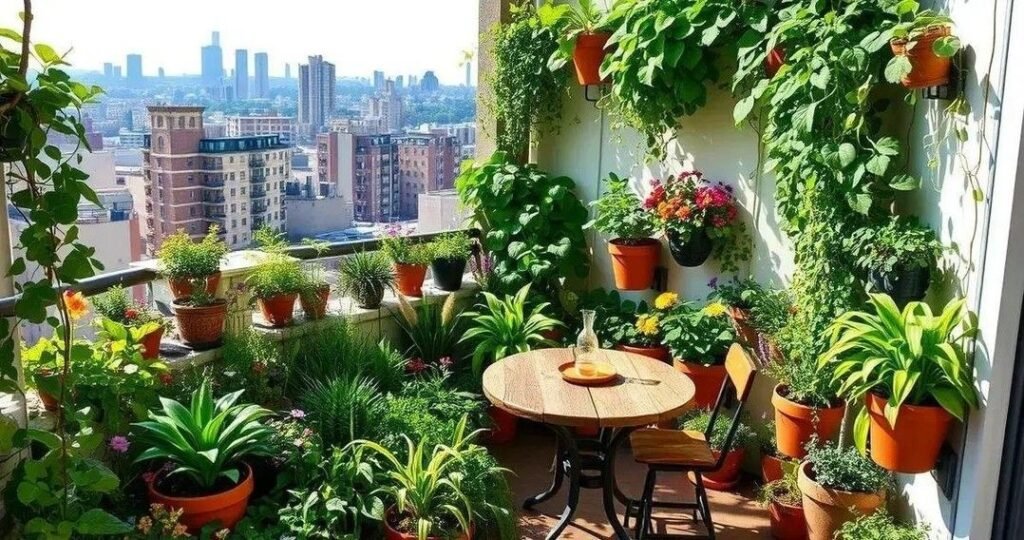
Bonus: How to Set Up Your First Apartment Garden
If you’re ready to begin, here’s a basic beginner setup that will work in virtually any apartment:
Start with three to five easy plants. A snake plant in a low-light area, a small pot of basil near your sunniest window and a cherry tomato on a south-facing balcony or bright windowsill are great options.
Invest in a quality potting mix, containers with drainage holes and a watering can with a narrow spout for better control. Place your plants near your best light source. Schedule watering days in your phone’s calendar so you don’t forget.
That’s really all you need to get started. Keep it simple. As you get more comfortable, add more plants.
For more in-depth tips, plant guides and inspiration, visit Apartment Garden Guide — a dedicated resource built for apartment gardeners at every level.
Frequently Asked Questions
Q: Is it really possible to grow vegetables in an apartment? Yes, absolutely. Tomatoes, peppers, lettuce, spinach, radishes and green onions all have compact varieties that thrive in containers. The key is providing enough light — ideally a south-facing window or balcony that receives at least 6 hours of direct sun.
Q: How can I tell how much light my apartment gets? Spend one day noting where sunlight falls and for how long. A south-facing window usually receives the most sun; east-facing windows get soft morning sun; west-facing windows receive afternoon light; north-facing windows get minimal light.
Q: What’s the easiest plant for a complete beginner to start with? The snake plant is often considered the most beginner-friendly houseplant. It tolerates low light, irregular watering and a broad range of temperatures. For edibles, mint or chives are virtually foolproof.
Q: How often do I water my apartment plants? There’s no one-size-fits-all answer. Use the finger test — poke your finger into the soil about an inch deep. If it’s dry, water. If it’s still moist, wait. Most beginners overwater rather than underwater.
Q: Do I need grow lights? Not necessarily. Many plants do just fine with natural light alone. But if your apartment is genuinely dark or you want to grow sun-loving plants like tomatoes indoors, even a basic LED grow light can make a world of difference.
Q: What soil should be used for container plants? Potting mix is always preferable to garden soil. Garden soil compacts in containers and does not drain well. A good potting mix should be light and well-draining, formulated specifically for container growing.
Q: The leaves on my plant are turning yellow. What’s wrong? Yellow leaves usually indicate overwatering. Allow the soil to dry out a little more between waterings. It can also signal a nutrient deficiency — in that case, try applying a balanced liquid fertilizer. Check for pests as well.
Q: I live on a small balcony with weight limits. Can I still garden? Yes. Choose lightweight plastic pots or fabric grow bags instead of heavy ceramic or terracotta. A few well-chosen containers can make a significant difference without overburdening your balcony structure. If you’re unsure, consult your building management for weight limits.
In Conclusion: Your Apartment Garden Starts Today
An apartment garden doesn’t need to cost much money, or take a lot of space or experience. It just takes the right mindset. This apartment garden guide has equipped you with seven essential tips that truly matter — how to choose plants suited to your light, use proper containers and drainage, pick a quality potting mix, water smartly, feed your plants regularly, maximise whatever light sources you have and establish a consistent routine.
What better time to start than right now? Choose one or two plants that suit your space, set them up properly and pay attention to what they tell you. Every good gardener started right where you are now.
Your apartment will be greener, fresher and more alive than you ever thought possible. One pot at a time.