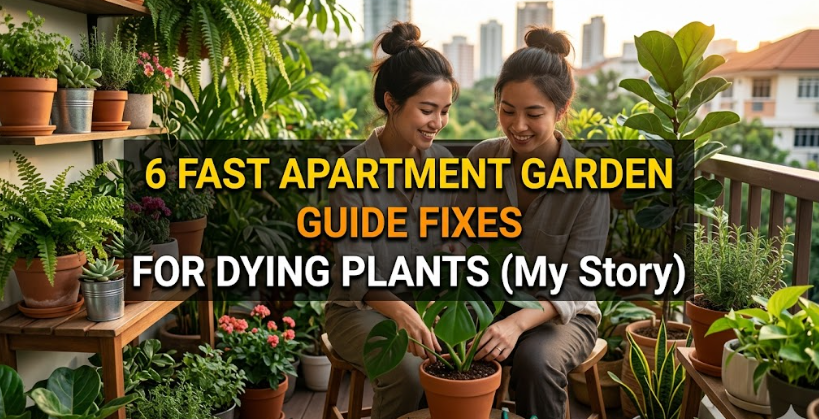
Dying Plants? 6 Quick Fixes from My Evolving Apartment Garden
Meta description: What Actually Works Apartment Garden Guide Fixes — 6 tricks that saved my dying plants, from lighting hacks to watering: a personal story.
I nearly murdered every plant I had.
It was a Tuesday morning. I entered my small apartment living room, coffee in hand, when I saw something that made my stomach drop. My pothos was yellow. My snake plant had mushy stems. My little basil pot? Gone. Completely brown and crispy.
I had purchased these plants to bring life into my apartment. Instead, they were dying — and I did not know why.
If you’re reading this, you probably understand that feeling. You follow basic care instructions. You water them. You set them near a window. And still, something goes wrong.
This apartment garden guide is my real and true story about what I did wrong, the things I corrected, and the six changes that helped me immensely. These aren’t complicated tips. They’re practical, fast fixes that work for a novice with no outdoor space and a whole lot of trial and error.
Let’s get into it.
My Apartment Garden Fell Apart (But It Wasn’t Completely My Fault)
Before I dive into the solutions, let me set the stage.
I live in an apartment on the second floor. One window faces north. The other receives perhaps two hours of afternoon sun. Air-conditioning is running nearly all the time in summer; and, in winter, heating desiccates everything.
It’s not exactly a greenhouse.
When I began creating my small indoor garden, I purchased plants for how they looked in the store. Big, full, bright green. I wasn’t considering light needs, pot size, or humidity levels. I literally just brought them home and crossed my fingers.
Three months later, the majority were suffering.
I started researching — obsessively. I read forums, watched videos, experimented. Some worked. Some didn’t. Finally, I stumbled on a combination of fixes that finally worked.
Here they are.
Fix #1 — I Finally Solved My Light Problem
Light was the single biggest game changer for my apartment garden.
Most people take “near a window” to mean “adequate light.” It doesn’t. There’s a big difference between a south-facing window getting five hours of bright indirect light and a north-facing window that gets two hours of dim, filtered light.
I had the second kind.
What I Changed
I bought a simple grow light. Nothing fancy — a clip-on LED panel from an online retailer for less than $25. I placed it on a timer for 12 hours each day and hung it about a foot over my plants.
Within two weeks, the difference was palpable. New leaves began to appear on my pothos. My herbs no longer seemed sad and stretched out.
Here’s a quick reference based on what I found:
| Plant | Minimum Light Required | Grow Light Necessary? |
|---|---|---|
| Snake plant | Low (2–4 hrs indirect) | Usually not |
| Pothos | Med (4–6 hrs indirect) | Maybe |
| Basil / herbs | High (6–8 hrs direct) | Yes, in most apartments |
| Peace lily | Low to medium | Sometimes |
| Succulents | High (6+ hrs bright) | Yes, if no south window |
Symptoms Your Plant Is Not Getting Enough Light
- Leaves turning pale or yellow
- Stems stretching long and “leggy” toward the window
- Slow growth during spring and summer
- Leaves dropping without obvious reason
If your apartment receives little natural light, a grow light is a must-have investment for your indoor garden. It doesn’t have to be fancy. It just has to be consistent.
Fix #2 — I Was Watering Wrong
Here is something no one told me when I started: most houseplants die from overwatering, not underwatering.
I had a schedule for watering my plants. On Sundays I went around giving everyone a drink. It didn’t seem to matter whether the soil was wet or dry. It was Sunday. Water time.
This was a huge mistake.
The Finger Test That Changed Everything
The fix was embarrassingly simple. Now, before I water anything, I poke my finger about an inch into the soil. If it’s still wet, or even just damp, I leave it. If it’s dry, I water it.
That’s it.
Different plants require water at vastly different rates. A cactus in a terracotta pot may only need watering every 14 days. A fern in a plastic pot may require watering every two days. I had been treating all of them the same, which was causing root rot in some and drought stress in others.
My Customized Watering Schedule
| Plant | Soil Check | How Often I Water Now |
|---|---|---|
| Snake plant | Bone dry | Every 2–3 weeks |
| Pothos | Top inch dry | Every 7–10 days |
| Basil | Surface slightly dry | Every 2–3 days |
| Peace lily | Top 1–2 inches dry | Every 7 days |
| Spider plant | Top inch dry | Every 7–10 days |
Signs of Overwatering to Watch For
- Soft, mushy stems at the base
- Yellowing lower leaves
- White crust on soil or fuzzy mold
- Soil that never fully dries and stays soggy
Once I switched to checking before watering rather than following a strict calendar, my plants stopped developing root rot altogether.
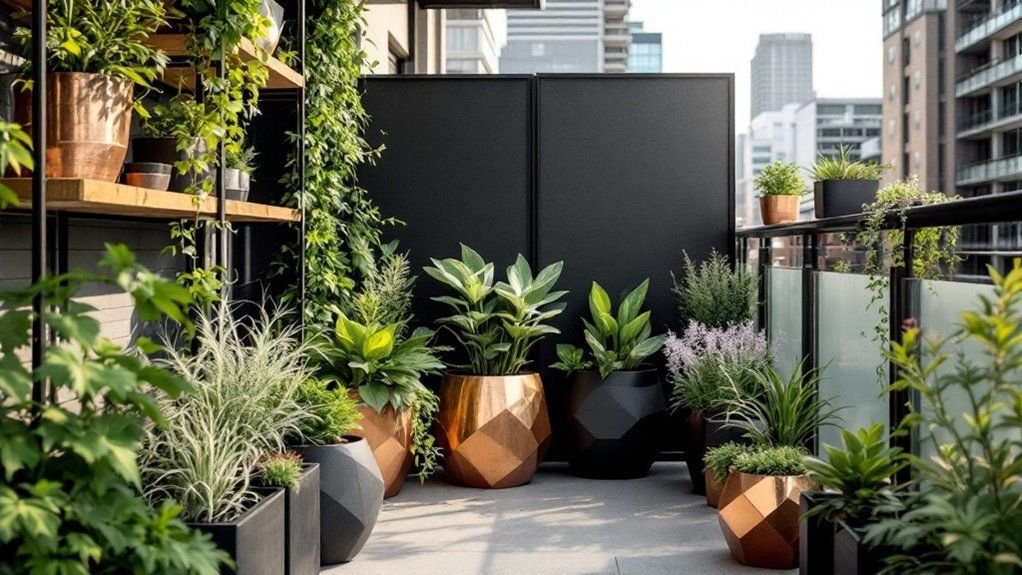
Fix #3 — The Pot Size Problem No One Talks About
I assumed pot size didn’t matter very much. I was wrong.
My snake plant was in a small nursery pot when I purchased it. I thought I was doing it a favor when I immediately repotted it into a big, beautiful ceramic pot I’d found at a thrift store. The pot was at least three times the size of the original.
A month later, the leaves were yellow and soft at the base.
Root rot. Again.
Why Too Much Pot Is a Problem
When a plant lives in a pot that’s too big, the soil retains far more water than the roots can absorb. That extra moisture has nowhere to go and keeps the roots wet until they rot.
The new rule I follow: go up only one pot size at a time. If a plant is in a 4-inch pot, the next pot should be 5 or 6 inches — not 10.
Also, drainage holes matter more than I had realized. That beautiful ceramic pot? No drainage hole. Classic mistake. Now I either drill a hole in decorative pots or use them as “cachepots” — outer covers for a plain nursery pot that has drainage.
Quick Repotting Guide
| Situation | What To Do |
|---|---|
| Roots poking out of drainage holes | Go up one pot size |
| Plant toppling over from being too top-heavy | Go up one pot size |
| Soil drying way too quickly | Go up one pot size |
| Just placed a plant in a decorative pot | Make sure it has drainage |
| Plant recently repotted and yellowing | You may have gone too large |
Getting pot size right made a quiet but significant difference in the health of my entire apartment garden.
Fix #4 — Apartment Air Is Basically a Desert (Here’s How I Fixed It)
Tropical plants suffer in a climate-controlled apartment.
Most popular houseplants — pothos, peace lilies, ferns, calatheas — are native to humid environments. They’re used to 50–70% humidity. My apartment in winter? Sometimes as low as 20–30%.
It started with my calathea. The tips of its leaves began to turn brown and crispy. Then the edges. Then it just looked miserable.
How I Increased Humidity Without a Humidifier
Grouping plants together. Plants transpire — meaning they release moisture through their leaves. When you cluster many plants closely together, they form a mini humid microclimate around one another. I moved my plants so most of them were grouped together on one shelf, and things improved noticeably.
A pebble tray. I filled a shallow tray with pebbles, added water just below the top of the pebbles, and placed my pots on top. Evaporation contributes humidity immediately around the plant. Easy and cheap.
A small humidifier. Eventually I purchased a small ultrasonic humidifier — a $20 model intended for a bedroom. I run it near my plant shelf for a few hours every day. No more brown tips.
If you keep ferns, calatheas, orchids, or any tropical plant in your apartment garden, humidity is worth paying attention to. It’s one of those invisible factors that makes a real difference.
Fix #5 — I Had Been Neglecting Soil Quality
All soil is not the same.
It took me a while to accept this. When one of my succulents began to droop and look miserable, I assumed it was a watering issue. I adjusted my schedule. Nothing changed. I checked the light. Seemed fine.
Then I looked more closely at the soil. It was dense. Heavy. Clumping. It held water like a sponge.
I had potted my succulent in regular potting mix because that’s what I had at home. But succulents require fast-draining, gritty soil. Regular potting mix stays too wet for them.
Matching Soil to Plant Type
| Plant Type | Best Soil Mix |
|---|---|
| Succulents & cacti | Cactus mix or potting mix + perlite (50/50) |
| Tropical plants | Well-draining potting mix + a little perlite |
| Herbs | General potting mix, slightly richer |
| Ferns | Moisture-retaining mix with peat or coco coir |
| Snake plant / ZZ | Very well-draining mix, lots of perlite |
Now I buy perlite in bulk and mix it into almost all my soil. Perlite is those little white chunks you see in potting soil — it improves drainage and prevents compaction.
After I transferred my succulent to the correct soil, it recovered within two weeks. Literally no other change.
Don’t Forget to Refresh Old Soil
Soil breaks down over time. After a year or two it compresses, loses structure, and no longer drains properly. Even if you stay in the same size pot, replacing the top couple of inches with fresh soil each year — or fully repotting every one to two years — makes a real difference.
Fix #6 — I Finally Started Feeding My Plants (and at the Right Time)
I spent the first year of my apartment garden without fertilizer. I thought plants got everything they needed from soil and water.
They don’t — not forever.
Soil nutrients get depleted. Especially in containers, where no natural ecosystem is replenishing nutrients the way outdoor soil does.
When and How I Fertilize Now
I keep things simple. Throughout the growing season — spring and summer — I use a balanced liquid fertilizer at half strength, once a month. That’s it.
For most houseplants, growth slows in fall and winter. I stop fertilizing almost entirely during those months. When a plant is dormant, fertilizing can burn its roots — the nutrients have nowhere to go and just sit in the soil.
A few things I learned the hard way:
- Do not fertilize a stressed or bone-dry plant. Water it first, then fertilize.
- More fertilizer is not better. Half strength, once a month is enough.
- Yellowing leaves alone don’t mean a plant needs food. It could be overwatering, root rot, or a light problem. Check those first.
According to the Royal Horticultural Society, feeding container plants regularly during the growing season is one of the most effective ways to maintain healthy growth — since nutrients in potting compost are typically exhausted within weeks of planting.
Introducing fertilizer into my routine — sensibly and seasonally — gave a visible boost in leaf color and growth rate each spring.
Before and After: The Honest Look at What Changed
| Issue | Before | After Fix |
|---|---|---|
| Lighting | North window only, no supplement | Grow light on 12-hr timer |
| Watering | Every Sunday, no soil check | Finger test every time |
| Pot size | Too large, no drainage | Correct size, always with drainage |
| Humidity | No awareness, ~25% in winter | Pebble tray + humidifier |
| Soil | Default potting mix for everything | Matched to plant type |
| Fertilizing | Never | Half-strength, once a month in spring/summer |
I went from killing plants every few months to having the same plants — thriving — a year and a half later. It didn’t require fancy equipment or a green thumb. It took paying attention and making small, focused changes.
Best Low-Maintenance Plants for Apartment Gardens
If you’re starting out or rebuilding after losing some plants, these are genuinely forgiving options:
- Pothos — Practically indestructible. Does well in low light and with uneven watering.
- Snake plant — Loves neglect. Only water when bone dry.
- Spider plant — Grows quickly, produces offshoots, does well in lower humidity.
- ZZ plant — Stores water in its roots. Very drought-tolerant.
- Peace lily — Thrives in low light. Dramatically droops when thirsty, so you’ll know right away when it needs water.
These plants gave me early wins while I was still learning. Every beginner apartment gardener needs at least one or two of them.
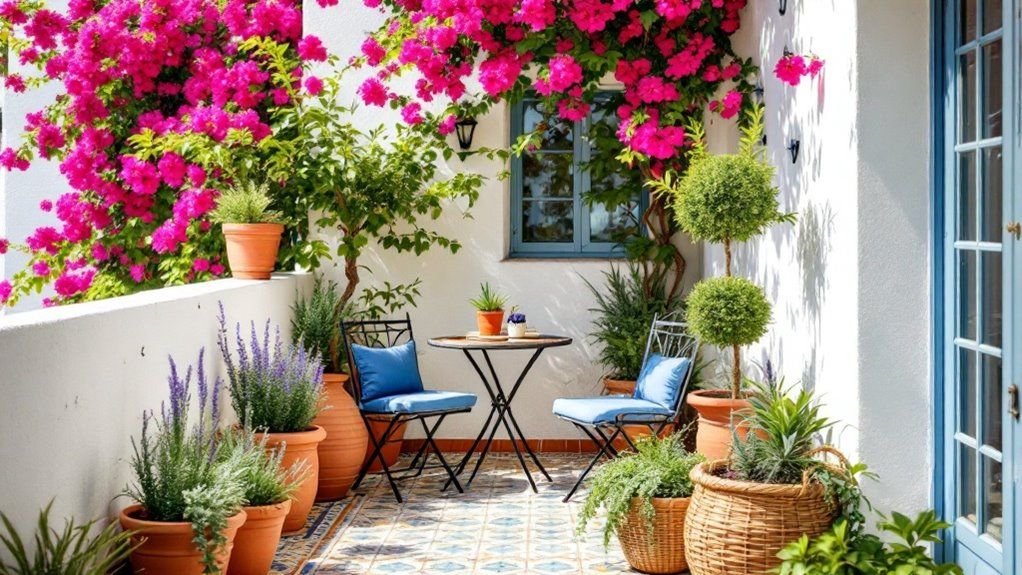
Common Mistakes to Avoid When Gardening in an Apartment
- Buying plants for beauty, not light needs. Always check what light level a plant requires before buying.
- Using pots without drainage holes. Decorative pots are great as outer covers, but make sure your plant can drain.
- Watering on a calendar instead of checking the soil. The soil will tell you what it needs.
- Placing plants near drafts. Air vents, drafty windows, and AC units stress plants out. Avoid direct airflow on your plants.
- Giving up too quickly. Some plants go through a rough transition period when moved to a new environment. Wait 4–6 weeks before assuming something is seriously wrong.
FAQs About Apartment Garden Fixes
Why do my apartment plants keep dying, even when I follow care instructions? Care instructions on plant tags are typically very general. Your apartment’s specific conditions — light levels, humidity, airflow — may be quite different from what that plant actually needs. Start by checking light and watering habits first.
How can I tell if my plant is getting enough light? If a plant is growing slowly, producing pale or small leaves, or stretching toward the window, it probably needs more light. A cheap light meter can help confirm it, or simply add a grow light and see what changes.
Is it safe to use tap water for my plants? Yes, in most cases. If your tap water is heavily chlorinated, try letting it sit out overnight before using it. Certain delicate species, such as calatheas, respond well to filtered or rainwater.
What’s the quickest way to revive a struggling plant? Check for root rot first. Remove it from the pot, inspect the roots, trim away any black or mushy ones, and repot in clean, dry soil. Then address whatever caused the problem — which is usually overwatering or poor drainage.
Are grow lights worth buying for a small apartment? Absolutely. The right grow light for under $30 can take herbs from dying to thriving. If your apartment gets fewer than 4–6 hours of bright light per day, a grow light is one of the best additions you can make to your indoor garden.
How often should I repot houseplants? Most houseplants should be repotted every 1–2 years, or when roots are growing out of the drainage holes. Never go more than one pot size larger at a time.
Do I actually need to fertilize indoor plants? Yes, eventually. Potting soil loses its nutrients over time. A light, balanced fertilizer once a month in spring and summer is enough to keep most plants growing well.
And That’s a Wrap — Your Apartment Garden Can Survive and Thrive
My apartment garden nearly didn’t make it.
But here I am, a year and a half later, with a shelf full of healthy, thriving plants that I genuinely enjoy taking care of. No outdoor space. No fancy equipment. Just six practical fixes applied consistently.
The biggest lesson? Plants don’t need perfection. They need the right conditions — light, water, soil, humidity, space, and an occasional meal — in just the right amounts.
If your plants are struggling right now, don’t give up. Pick one problem from this guide and fix it. Just one. See what changes. Then tackle the next one.
That’s how I turned things around — one small fix at a time.
Do you have a plant that continues to challenge you? Leave your question in the comments. I’ve likely killed that plant at least once, so I may have a tip that works.