Apartment Garden Guide: What Are Vertical Gardening Ideas?
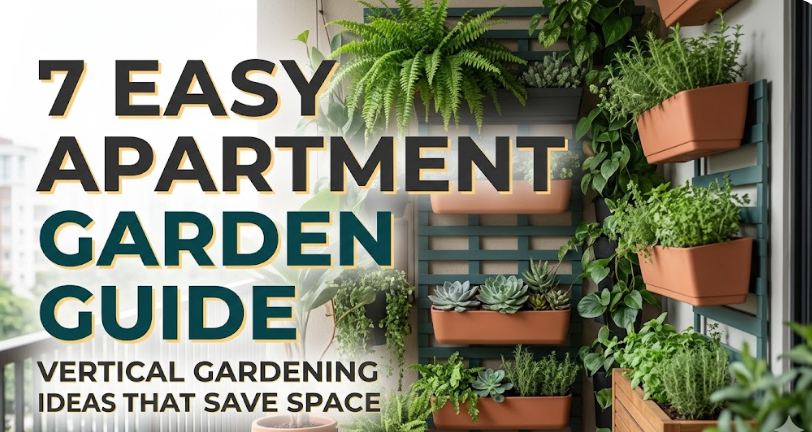
Here are 7 easy, space-saving methods suitable for any small balcony or indoor wall.
7 Space-Saving Apartment Garden Vertical Gardening Ideas
Do you imagine growing your own plants but live in an apartment? You are not alone. Millions of people would like their own fresh herbs, vegetables or flowers — but believe they lack space.
Here’s the best part: you don’t need a large backyard. All you need are your walls, windows and some imagination.
This apartment garden guide takes you through 7 small space vertical gardening ideas that actually work. If you have a tiny balcony, a sunny window, or only one free wall — there’s something here for you.
Let’s dig in.
The Benefits of Vertical Gardening for Apartment Dwellers
Rented dwellings usually offer meager floor space. A conventional garden just isn’t going to work. But walls? Most apartments have more than enough of those.
Vertical gardening is growing plants up instead of out. You vertically stack your garden by using shelves, hanging pots, wall panels or tall structures. This creates floor space and converts empty walls into green, livable areas.
Here’s why apartment residents love it:
- Freed-up floor space: your garden grows up, not out
- Beautiful: green walls bring life to every room
- Grows real food: herbs, greens and even small vegetables do well growing vertically
- Enhances air quality: plants naturally purify indoor air
- Stress reliever: tending to plants is soothing and fulfilling
Vertical gardening is simple to begin even if you are a total novice. You don’t need special skills or expensive tools.
What to Consider Before You Begin Your Apartment Garden
Before getting into particular ideas, it’s good to know a few basics. These will help ensure that your vertical garden survives — and flourishes.
How Many Hours of Sunlight Does Your Space Get?
Light is a key component for any plant. Go around your apartment and see where the sun is hitting. South-facing windows receive the most light. North-facing spots get the least.
The majority of herbs and leafy greens require 4–6 hours of sunlight a day. If your location is darker, don’t worry — certain plants thrive in low light, including pothos, ferns and mint.
What’s Your Watering Situation?
Vertical gardens dry out more quickly than ground-level pots. Smaller containers lose moisture faster. Check on your plants regularly — especially when it’s hot outside.
Self-watering planters are a great choice. They store water in a reservoir at the bottom and feed the roots gradually. This saves time and avoids overwatering.
What Can Your Ceiling and Walls Support?
Read your lease first if you’re renting — some prohibit drilling into walls. Most vertical garden systems tie into tension rods, over-the-door hooks or freestanding shelves — damage-free.
Always account for the weight of your setup. Wet soil is heavy. Secure wall-mounted items properly and safely.
Vertical Garden Guide for Apartments: 7 Space-Saving Ideas
1. Pocket Wall Planters — The Simplest Solution to Get Started
Pocket planters are panels of fabric or felt with a series of small pockets. Each pocket holds a plant. You mount the entire panel to a wall like a picture frame.
They are lightweight, affordable and extremely quick to assemble. You can buy them online for less than $20.
Best plants for pocket planters:
- Herbs: basil, cilantro, parsley, thyme
- Greens: lettuce, spinach, arugula
- Flowers: pansies, petunias, nasturtiums
Tips for success:
- Use lightweight potting mix; heavy garden soil is too dense
- Water slowly so it absorbs evenly into each pocket
- For best results, hang near a window or under a grow light
Balconies also work well with pocket planters. You can hang them on a railing or fence wall to form a living curtain of foliage.
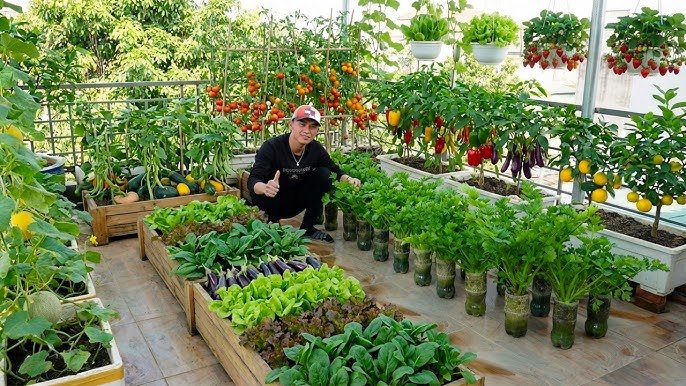
2. Staggered Pots With Floating Wall Shelves
This is a beautiful idea that also works exceptionally well. Put up floating shelves on one wall at varying heights. Then fill the shelves with potted plants of varying heights, colors and textures.
You end up with a layered, gallery-style garden that draws the eye upward and wonderfully fills vertical space.
What makes this work:
- Offset the shelves so that taller plants don’t shade shorter ones
- Combine trailing plants (like pothos or string of pearls) with upright varieties
- Use pots in the same color or natural materials such as terracotta for a clean look
This setup is a popular choice in living rooms and kitchens. A row of pots filled with herbs on kitchen shelves puts fresh flavor within arm’s reach while cooking.
Shelving tip: Include at least 12–15 inches between shelves so plants have space to grow upward without hitting the shelf above.
3. Pallet Garden for the Balcony
Wooden pallets are free or very cheap — and they work surprisingly well for vertical gardening. Prop a pallet up against your balcony wall, fill in the gaps with soil, and plant directly into each opening.
You get a rustic, natural appearance with no construction skills needed.
Step-by-step setup:
| Step | What to Do |
|---|---|
| 1 | Find a clean, untreated wood pallet |
| 2 | Sand down rough edges to remove splinter risk |
| 3 | Line the back and bottom with landscape fabric |
| 4 | Fill openings with potting mix |
| 5 | Plant each slot with herbs or small flowers |
| 6 | Water gently and place in a sunny spot |
After planting, leave the pallet flat for 1–2 weeks. This allows roots to develop and get established before you set it upright.
Best plants for pallet gardens:
- Strawberries
- Herbs (especially mint, oregano, sage)
- Succulents
- Small flowering annuals
When loaded with soil, pallets are heavier than they appear — ensure your balcony floor and wall can bear the load.
4. Hanging Planters and Macramé Holders
This trend in apartment gardening is among the most popular right now — and for good reason. Hanging planters make use of ceiling space that would otherwise go completely unused.
You can suspend them from curtain rods, ceiling hooks or tension poles set up in a corner. Macramé holders give a warm, bohemian feel. Simpler metal or plastic hanging pots read more contemporary.
Best plants for hanging planters:
- Pothos (nearly impossible to kill)
- Trailing succulents
- Spider plants
- English ivy
- Cherry tomatoes (if you have a sturdy hook)
You can create a “hanging garden corner” by placing several planters at various heights in one sunny corner. This adds depth and fills vertical space dramatically and beautifully.
Safety tip: Use ceiling hooks rated for at least 15–20 pounds. Wet soil is heavier than you’d imagine. If in doubt, opt for a tension rod system instead — no drilling required.
5. A Tiered Plant Stand — The Most Plants for the Least Room
A tiered plant stand is exactly what it sounds like: a tall stand with multiple levels, accommodating a lot of plants in a very small floor footprint.
A well-designed tiered stand might only be 18 inches wide but hold 6–8 plants stacked vertically. That’s an entire herb garden in the footprint of a small end table.
Choosing the right tiered stand:
| Stand Type | Good For | Price Range |
|---|---|---|
| Metal wire | Outdoor balconies, modern style | $30–$60 |
| Bamboo/wood | Indoor rooms, natural look | $40–$80 |
| Corner stands | Maximizing corner space | $35–$70 |
| Ladder shelf | Leaning against a wall | $25–$55 |
Ladder-style shelves are especially clever. No wall anchors required — they simply lean against the wall. Perfect for renters.
Pro tip: Place your tallest or most sunlight-hungry plants on the top tier. Allow trailing or shade-tolerant plants to drape or rest at the bottom.
6. Hydroponic Tower for Growing Food Indoors
Looking to grow real food indoors — year-round — without soil? A hydroponic tower might become your new best friend.
Hydroponic towers are vertical systems where plants grow in nutrient-rich water. No soil required, no mess and no outdoor space needed. The water automatically flows through the tower.
Benefits of hydroponics in apartments:
- No dirt — no mess on your floor
- Integrated grow lights handle low-light conditions
- Plants grow faster than in soil
- Minimal floor space required — roughly the footprint of a small trash can
Popular hydroponic towers for apartments:
- AeroGarden Bounty (countertop size)
- Tower Garden by Juice Plus+
- Gardyn Kit (app-controlled)
These aren’t cheap — they range from $100 to $600 — but they yield a staggering amount of food in a small space. If you’re a fan of fresh salads and herbs, the investment pays for itself fairly quickly.
Best plants for hydroponic towers:
- Lettuce varieties
- Basil, mint, dill
- Kale and spinach
- Strawberries
- Cherry tomatoes (in larger towers)
7. Trellis Systems for Climbing Plants
A trellis is a grid or frame that you train plants to climb as they grow. A trellis propped against a wall or on a balcony produces both depth and height — just one pot can yield a tall, lush green wall.
One pot + one trellis = a vertical garden that grows 4–6 feet tall.
This is especially effective on balconies, but small tabletop trellises stationed near a sunny window work equally well for compact upward growers.
Great climbing plants for apartments:
- Peas — quick-growing, edible, enjoy cool temperatures
- Cucumbers — love the sun, do well in containers
- Scarlet runner beans — beautiful flowers + edible beans
- Passionflower — stunning, vigorous climber
- Jasmine — fragrant and lovely, excellent at trailing
Trellis setup tips:
- Choose a deep pot (at least 12 inches) so roots have space
- Anchor the trellis to a wall or railing so it doesn’t topple over
- Use the trellis to gently train young vines as they develop
- Water more frequently in summer; potted climbers dry out quickly
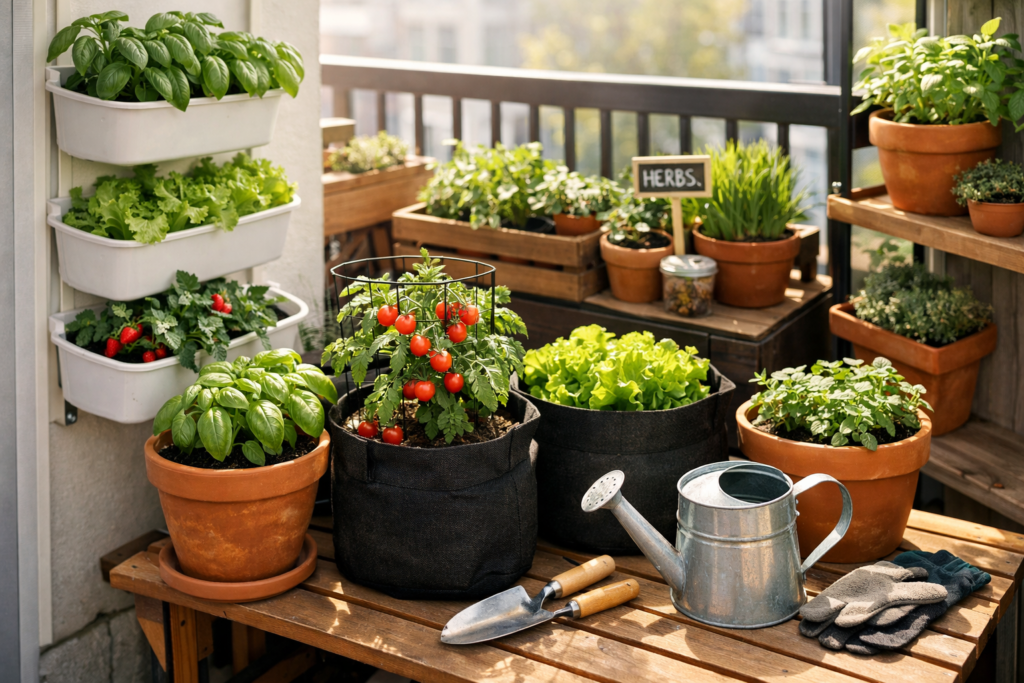
Vertical Garden Ideas: A Side-by-Side Comparison
| Idea | Difficulty | Cost | Best Location | Edible? |
|---|---|---|---|---|
| Pocket wall planters | Easy | $ | Wall/balcony | Yes |
| Floating shelves | Easy | $$ | Indoor wall | Yes (herbs) |
| Pallet garden | Medium | $ | Balcony | Yes |
| Hanging planters | Easy | $ | Indoor/balcony | Some |
| Tiered plant stand | Easy | $$ | Indoor/balcony | Yes |
| Hydroponic tower | Medium | $$$ | Indoor | Yes |
| Trellis system | Medium | $ | Balcony | Yes |
Best Plants for Vertical Gardens in Apartments
Vertical setups don’t work for all plants. These are the ones that consistently perform best:
Herbs (The Apartment Gardener’s Best Friend)
Vertical gardens are great for herbs. They’re compact, fast-growing and give you something useful every week. Basil, mint, parsley, chives, rosemary and thyme all thrive in small vertical setups.
One thing to note: mint tends to spread aggressively. Keep it in its own pot.
Leafy Greens
Lettuce, spinach, kale and arugula sprout quickly and don’t require deep containers. They are perfectly suited for pocket planters, tiered stands and hydroponic towers. You can harvest the outer leaves without killing the plant.
Trailing and Climbing Plants
Plants like pothos, ivy and string of pearls vine beautifully from hanging pots or upper shelves. Climbing varieties such as peas and beans take the idea further, growing upward with support.
Compact Fruiting Plants
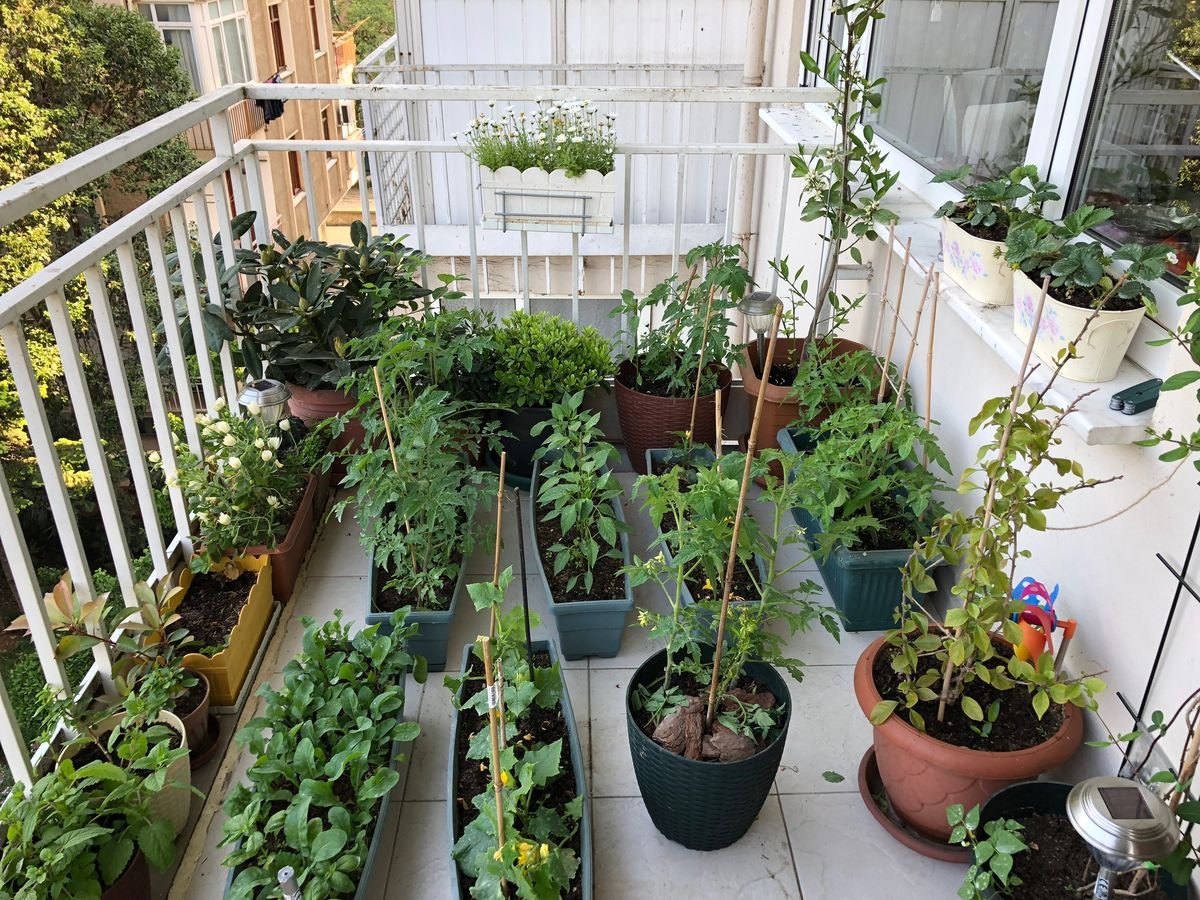
Tomatoes, strawberries and peppers can all grow in containers. They require more sun and deeper pots, but they yield real food on a balcony or in a sunny window.
Avoid These Common Apartment Vertical Garden Mistakes
Even experienced gardeners make these mistakes. Learn them upfront to save yourself frustration.
- Using the wrong soil. Regular garden soil is too heavy and dense for containers. Always use a lightweight potting mix made for container gardening.
- Overwatering. This is the biggest killer of potted plants. Most plants enjoy drying out a bit between waterings. Check soil moisture with your finger before watering again.
- Ignoring drainage. All pots need drainage holes. Roots rot quickly when sitting in pooled water.
- Too many plants too soon. Start small. Get comfortable with 4–6 plants, then expand as your confidence grows.
- Putting plants in the wrong light. Pay close attention to each plant’s care tag. Sun-loving plants struggle in shade, and shade plants will scorch in full sun.
Quick-Start Checklist for Your First Apartment Vertical Garden
Here’s everything you need to hit the ground running:
- [ ] Pick one vertical gardening idea from this list
- [ ] Identify where your apartment or balcony gets the most sunlight
- [ ] Choose 3–5 easy plants (herbs are ideal for beginners)
- [ ] Purchase lightweight potting mix
- [ ] Get containers with drainage holes
- [ ] Set up your vertical system (shelves, pockets, stand, etc.)
- [ ] Water lightly on planting day
- [ ] Check for moisture every day for the first 2 weeks
- [ ] Enjoy watching things grow!
FAQs About Apartment Vertical Gardening
Q: Can I actually grow vegetables in an apartment? Yes, absolutely. Herbs, leafy greens (like kale, baby bok choy and arugula), cherry tomatoes, peppers and strawberries all grow well in containers. You will need good light — either natural sunlight or a grow light — and containers with adequate drainage.
Q: What if my apartment gets very little sunlight? Plants that thrive in lower-light conditions — such as pothos, ferns, peace lilies and mint — can prosper in darker spaces. An indoor grow light is a worthwhile investment for food gardening in low-light apartments.
Q: How can I water a vertical pocket planter without making a mess? Try a watering can with a narrow spout. Water slowly and gently from the top of each pocket. Place a waterproof tray or mat underneath to catch any drips.
Q: Will my landlord have a problem with wall-mounted planters? It depends on your lease. There are many vertical garden systems that require no drilling whatsoever — they use tension rods, railing hooks or freestanding shelves. Always check your rental agreement first.
Q: How frequently should I fertilize plants in a vertical garden? Plants in containers need more fertilizer than those in the ground because nutrients wash out with watering. Apply a balanced liquid fertilizer every 2–4 weeks throughout the growing season.
Q: What is the least expensive way to start a vertical apartment garden? A DIY pallet garden or basic pocket planter costs very little. Tin cans, plastic bottles or old wooden crates can also be repurposed as containers. Save money by starting with herb seeds rather than seedlings.
Q: Are plants in a bedroom a good idea? Yes! Most bedroom plants are perfectly safe and can actually purify the air. Great options include peace lilies, snake plants, pothos and lavender.
Your Apartment Can Be a Garden
You don’t need a backyard. You don’t need a huge budget. And you don’t need to have a green thumb from day one.
All you need is a wall, a window and the willingness to get started.
This guide has walked you through 7 beautiful, practical vertical gardening ideas — from simple pocket planters to hydroponic towers — that work in any size space, for any budget and skill level. For more inspiration and in-depth growing guides, visit Apartment Garden Guide, your go-to resource for small-space gardening.
Start with just one idea. Choose the simplest one that fits your space. Plant a few herbs. Water them. Watch them grow.
Very soon you’ll have your own green, living space — full of food and joy.
Your apartment garden is waiting. All you have to do is start.