Let me tell you something embarrassing. When I moved into my 650-square-foot apartment three years ago, I killed a cactus. A cactus. The one plant literally designed to survive neglect. That was my rock bottom moment as a plant parent, and honestly, it was the best thing that ever happened to my apartment garden journey.
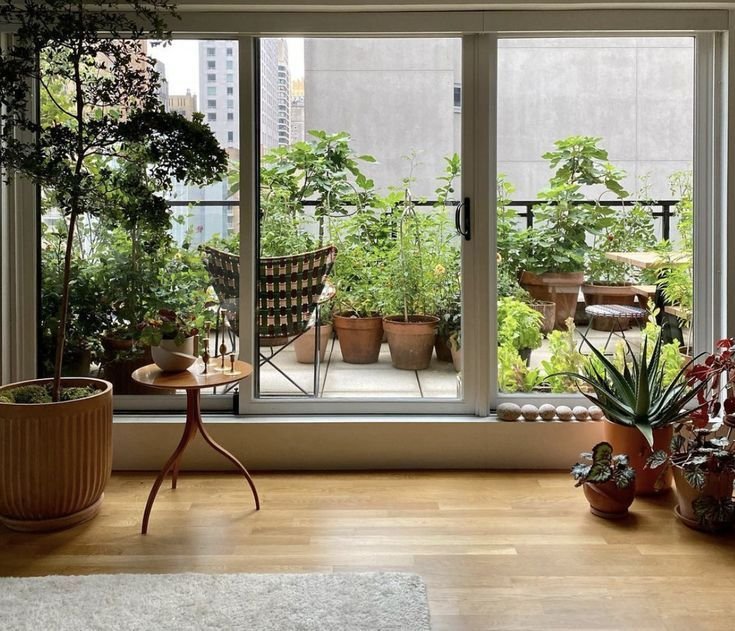
Fast forward to today — my balcony has herbs, tomatoes, trailing pothos, and a little seating nook surrounded by greenery. People walk in and genuinely ask if I hired someone. I didn’t. I just learned, slowly and painfully, how to work with my small space instead of against it.
So if you’re sitting in a tiny apartment right now, looking around at your 4×6 balcony or your one sunny window and thinking “there’s no way I can garden here” — this one’s for you.
1. Start With a Sun Audit (Before You Buy a Single Plant)
This is the mistake I made first. I bought six plants before I understood my apartment’s light situation. Half of them died within two weeks because I put sun-loving herbs in a north-facing corner.
Do a sun audit first. Spend one full day — morning to evening — watching where the light falls in your apartment. Note which windows get direct sun and for how long. Track it like this:
| Window/Spot | Morning Sun | Afternoon Sun | Direct or Indirect |
|---|---|---|---|
| South balcony | 6–10 AM | 12–4 PM | Direct |
| Kitchen window | None | 2–5 PM | Indirect |
| Living room corner | None | None | Low light |
Once you know your light zones, you can match plants to spots — not the other way around. This single habit changed everything for me.
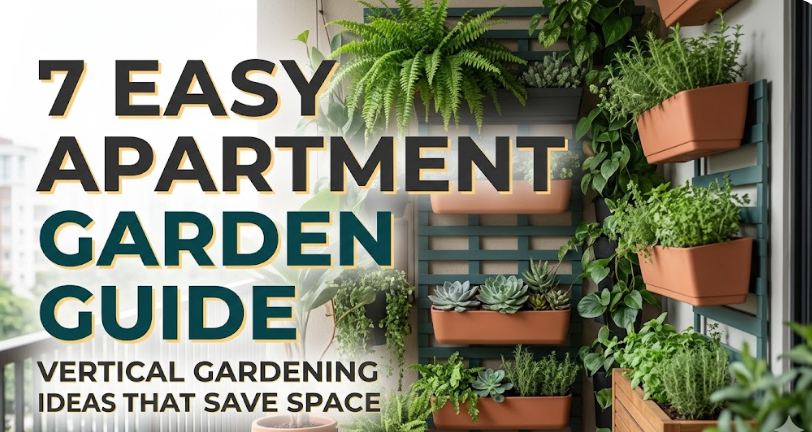
2. Go Vertical With Wall Planters
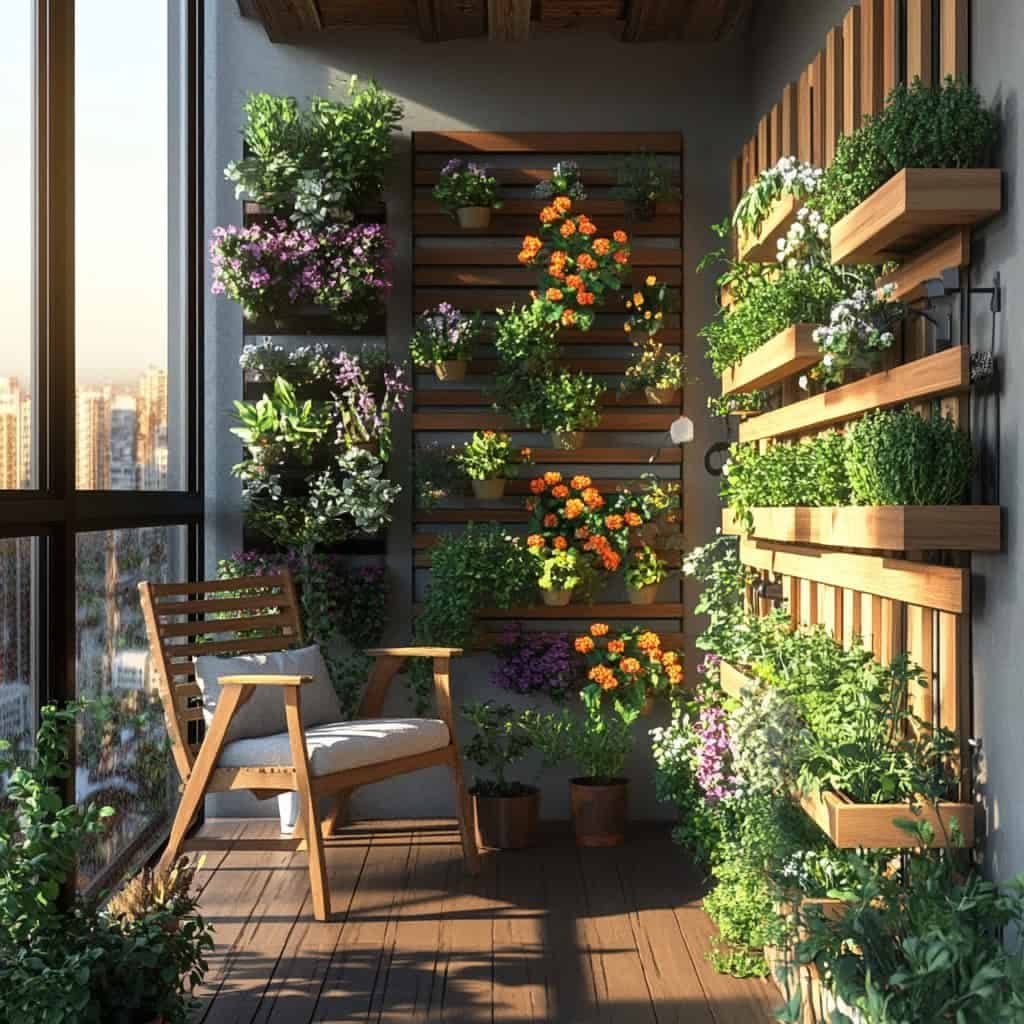
Floor space is precious in a small apartment. The moment I stopped thinking horizontally and started thinking vertically, my entire setup transformed.
Wall-mounted planters are genuinely one of the best investments you can make. I use a mix of:
- Pocket fabric planters for herbs (basil, mint, cilantro)
- Wooden slat wall panels with small pots clipped on
- Hanging macramé planters near windows for trailing plants
The trick is to stagger the heights. Don’t line everything up at the same level — it looks flat and boring. Go low, medium, high, and your wall becomes almost like living art.
If you’re renting and worried about walls, there are tension rod systems and freestanding ladder shelves that don’t require a single nail. Check out these vertical gardening ideas that actually save space — there are some genuinely clever options I wouldn’t have thought of on my own.
3. Use Tiered Shelving to Multiply Your Growing Space
A tiered plant shelf is basically a cheat code for small apartments.
I have a 3-tier bamboo shelf on my balcony that holds 11 pots in the footprint of a single large container. Each tier gets slightly less direct sun, so I actually use that to my advantage — sun-lovers on top, shade-tolerant plants toward the bottom.
What works well on tiered shelves:
- Top tier: Tomatoes, peppers, basil (need the most sun)
- Middle tier: Lettuce, parsley, marigolds
- Bottom tier: Ferns, peace lilies, mint (handles lower light)
One thing I learned the hard way — make sure your shelf is rated for weight. Wet soil is heavy. My first cheap shelf started bowing within a month. Get something sturdy, even if it costs a little more upfront.
4. Choose the Right Containers (Size Matters More Than You Think)
I used to think bigger pots = better plants. Not true.
Using a container that’s too large for a small plant can actually cause root rot because the extra soil stays wet for too long. On the flip side, a pot that’s too small stunts growth fast.
Here’s a rough guide I now follow:
| Plant Type | Minimum Pot Size |
|---|---|
| Herbs (basil, mint) | 6–8 inches |
| Lettuce, spinach | 8–12 inches |
| Tomatoes (cherry) | 5-gallon bucket |
| Peppers | 3–5 gallon |
| Flowers (marigolds) | 6 inches |
Also, material matters. Terracotta breathes well but dries out fast — great for succulents, not ideal for thirsty plants. Plastic retains moisture longer. In a hot climate (I’m in a warm city with brutal summers), I actually double-pot: plastic inside, terracotta outside for aesthetics.
5. Create Zones — Even in a Tiny Space
One design shift that made my apartment garden feel intentional instead of chaotic was creating zones.
Think of your space like a mini room. Even on a small balcony, you can have:
- A herb zone near the kitchen door for easy cooking access
- A flowering zone for color and visual interest
- A seating zone surrounded by taller plants for that cozy, enclosed feeling
Zoning also helps with care routines. Your herbs might need watering every day in summer, while your succulents want to be mostly ignored. Keeping them grouped means you’re not zigzagging around trying to remember who needs what.
I actually drew a rough sketch of my balcony on paper before rearranging anything. It took 10 minutes and saved me from moving 20 pots around twice.
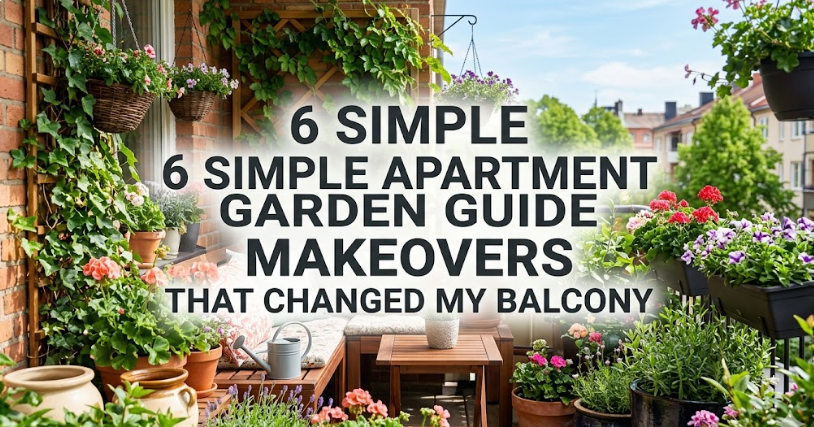
6. Use Railing Planters for Dead Space
If you have a balcony railing, you’re sitting on prime real estate you’re probably not using.
Railing planters — the kind that clip or hook over the rail — are perfect for trailing plants, flowers, or strawberries. I have three of them running along my balcony edge with cascading petunias and a couple of strawberry plants. They look beautiful from both inside and outside the apartment.
Just check your railing material and weight limits first. Most modern balcony railings handle railing planters just fine, but overloading them is a real concern. Keep heavier plants on the floor and use railing planters for lighter, trailing varieties.
These planters also solve a specific small-space problem: they’re out of the way. They don’t eat into your floor space or shelf space at all.
7. Mirror and Light Tricks to Make Green Spaces Feel Bigger
This one’s more design than gardening, but hear me out.
Placing a mirror near your plant corner does two things — it reflects light back onto your plants (which they love) and it makes the space feel almost double the size. I have a slim full-length mirror on the wall beside my plant shelf, and it genuinely looks like there are twice as many plants.
For spaces with limited natural light, grow lights have become my best friend. I was skeptical at first — felt a bit like I was running a science lab. But modern LED grow lights are slim, low-profile, and don’t look industrial at all. Some clip right onto shelves.
A timer-controlled grow light means I don’t even have to think about it. It turns on at 7 AM and off at 9 PM automatically. My herbs on the kitchen shelf (which gets almost no natural light) are absolutely thriving because of it.
For more inspiration on making limited light work for you, these lighting ideas for indoor plants are worth bookmarking.
8. Mix Edibles and Ornamentals — Don’t Keep Them Separate
A lot of beginners think you have to choose between a pretty garden and a productive one. That’s completely false.
Some of the most beautiful apartment gardens I’ve seen mix edibles and ornamentals together in the same containers or zones. It’s called companion planting, and it works both aesthetically and practically.
Some combos I love:
- Basil + marigolds — marigolds repel pests, basil adds fragrance, both look gorgeous
- Cherry tomatoes + trailing nasturtiums — nasturtiums are edible too, and the colors are stunning
- Lettuce + purple alyssum — the contrast in texture and color is beautiful in a single pot
Mixing plants also helps with pests. A monoculture (one type of plant everywhere) invites specific bugs. Diversity naturally confuses and deters them.
This approach also means your space looks like a curated garden, not just a row of utilitarian herb pots. There’s real joy in that.
9. Build a Simple Care Routine That You’ll Actually Stick To
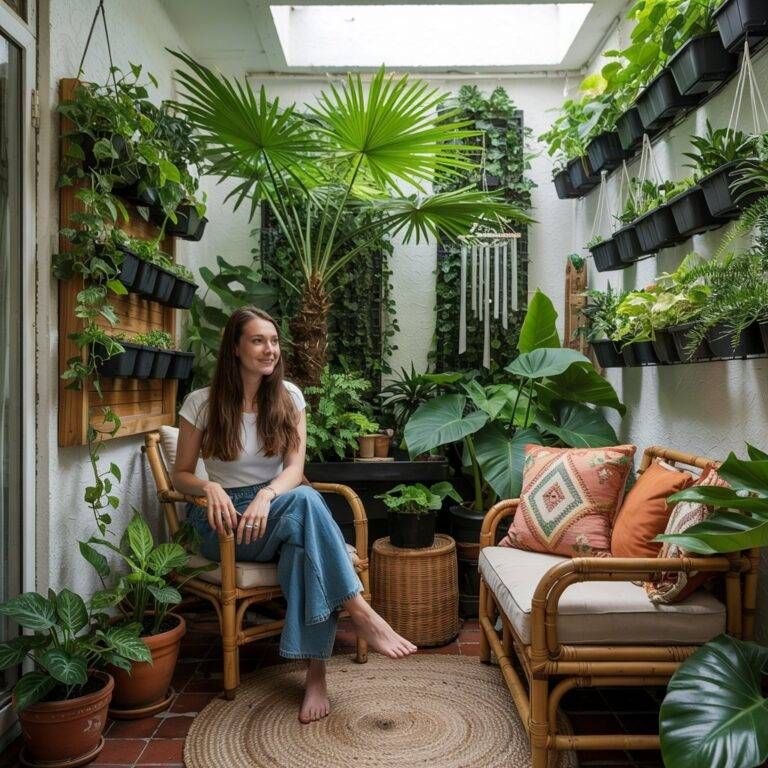
The most beautiful garden design in the world falls apart without consistent care. And I say that as someone who went through a phase of over-caring (watering every day like clockwork, even plants that hated it) and then under-caring (going on a trip and coming back to crispy sadness).
A simple weekly routine saved my garden:
Daily (takes 5 minutes):
- Quick visual check — does anything look droopy or yellowing?
- Water only what needs it (stick your finger 1–2 inches into soil — if dry, water)
Weekly (takes 15–20 minutes):
- Check for pests on undersides of leaves
- Pinch back herbs to encourage bushy growth
- Rotate pots so all sides get light
Monthly:
- Fertilize (I use a diluted liquid fertilizer — easier to control than granules)
- Repot anything that looks root-bound
- Reassess your layout — what’s thriving, what needs to move?
Honestly, these care tips for healthy plants helped me build this exact routine. Having a system means you don’t rely on remembering — you just follow the steps.
Common Mistakes I See Beginners Make (And I Made Too)
Overwatering. Hands down the number one plant killer. More plants die from love than neglect.
Buying plants that don’t suit your light. See Tip #1. Always match plant to environment, not the other way around.
Ignoring drainage. Every pot needs drainage holes. No exceptions. Sitting water = root rot = dead plant.
Cramming too many plants in too small a space. I know it’s tempting. I’ve done it. Plants need airflow to stay healthy and avoid fungal problems.
Giving up after one failure. Losing a plant doesn’t make you a bad gardener. It makes you an experienced one. Every dead plant taught me something.
What a Small Apartment Garden Really Gives You
I didn’t start this journey for aesthetics. I started it because I missed having something living and growing around me. What I got was more than I expected — fresh herbs for cooking, a genuinely beautiful balcony, and this quiet ritual every morning of checking on my plants with coffee in hand.
The design ideas in this article aren’t about making your apartment look like a magazine spread (though that’s a nice bonus). They’re about making your small space work harder and feel more like home.
You don’t need a lot of room. You need the right ideas and a little patience.
Start with one shelf. One vertical planter. One sunny window. The garden grows from there.
If you’re just getting started and want a solid foundation before diving into design, check out 10 Ultimate Apartment Garden Guide Starter Tips for Success — it covers the fundamentals in a way that actually makes sense for beginners.