Let me be honest with you — when I first started my apartment garden, I was a mess.
I had six pots crammed on a tiny balcony, half-dead basil drooping over the railing, and a watering schedule that basically meant “whenever I remember.” I killed two tomato plants, a mint (which is supposedly unkillable, by the way), and one very expensive succulent I bought just because it looked cool at the nursery.
But somewhere between the failures and the frustration, I figured out what actually works. Not what gardening blogs say works — what actually works when you’re juggling a job, a small space, limited sunlight, and approximately zero patience.
These 12 hacks changed the way I garden. Some of them are embarrassingly simple. Others took me months to discover. All of them saved me time, money, and mental energy.
1. Stop Winging Your Watering — Build a Dead-Simple Schedule
I used to water plants based on vibes. Dry soil? Maybe water. Looks sad? Definitely water. Plant is thriving? Also water, just in case.
That “just in case” mindset killed more plants than anything else.
What actually helped was creating a super basic watering calendar — not an app, not a spreadsheet, just a sticky note on my fridge with each plant’s name and watering frequency. Succulents once a week. Herbs every two days. Tomatoes daily in summer.
Once I made it visual and routine-based (like taking vitamins), I stopped overthinking it. My plant survival rate went from maybe 50% to close to 90%.
Quick cheat sheet:
| Plant Type | Watering Frequency | Notes |
|---|---|---|
| Succulents / Cacti | Once a week | Let soil dry completely |
| Herbs (basil, mint) | Every 2–3 days | Keep moist but not soggy |
| Tomatoes / Peppers | Daily in summer | More in heat, less in winter |
| Leafy greens | Every 2 days | Check top inch of soil |
| Indoor foliage plants | Every 5–7 days | Depends on pot size |
2. Use Self-Watering Pots — Seriously, Just Do It
I resisted self-watering pots for a long time because they looked expensive and I assumed they were for “serious” gardeners. Then a friend convinced me to try one for my herbs, and I nearly cried at how much easier my life became.
Self-watering pots have a reservoir at the bottom. The plant drinks from below, which means roots get water when they actually need it. Less guesswork. Less overwatering. Way less stress when you’re traveling for a few days.
You can find decent ones on Amazon or at IKEA (the VÄXER series is pretty solid) for under $20. It’s one of those purchases where you immediately wonder why you waited so long.
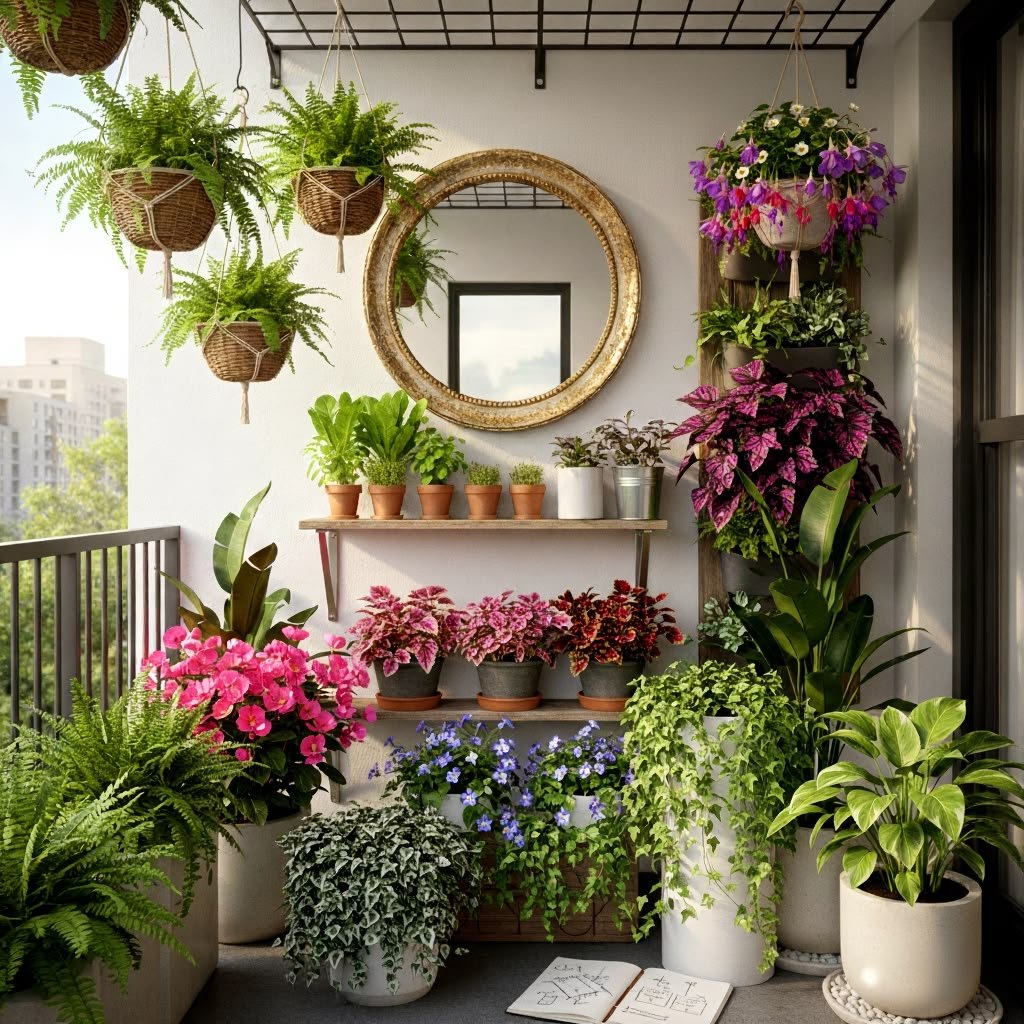
3. Group Plants by Their Needs, Not by How They Look
This one sounds obvious but took me embarrassingly long to figure out.
I used to arrange my balcony like a mood board — plants placed wherever they looked prettiest. A sun-loving pepper next to a shade-preferring fern. A moisture-loving mint beside a cactus that needed dry soil.
They all suffered.
Once I grouped plants by light requirements and watering needs, everything improved. Sun-lovers go on the sunny side. Shade plants get tucked into corners. High-water plants cluster together so watering is faster and more consistent.
It also makes your routine faster — you can water one section thoroughly without worrying about overwatering a nearby plant that hates moisture.
If you’re just starting out, check out these 7 Essential Apartment Garden Guide Tips for Beginners — it breaks down plant grouping and setup basics really well.
4. Label Everything (Even If You Think You’ll Remember)
You won’t remember.
I planted five herb seedlings once and told myself I knew exactly which was which. Two weeks later, I was genuinely unsure if I was harvesting oregano or thyme. Spoiler: it was thyme. In my pasta. It was fine. But still.
Buy a pack of cheap plastic plant labels or just use popsicle sticks and a marker. Write the plant name, the date you planted it, and the water frequency. Takes 30 seconds per plant and saves so much confusion later.
Bonus: it helps you track what’s growing well in your specific space so you can replant winners next season.
5. Vertical Space Is Your Best Friend — Stop Ignoring It
Most apartment gardeners think horizontally. You have a balcony or windowsill, so you line up pots in a row and run out of space immediately.
Going vertical changed everything for me.
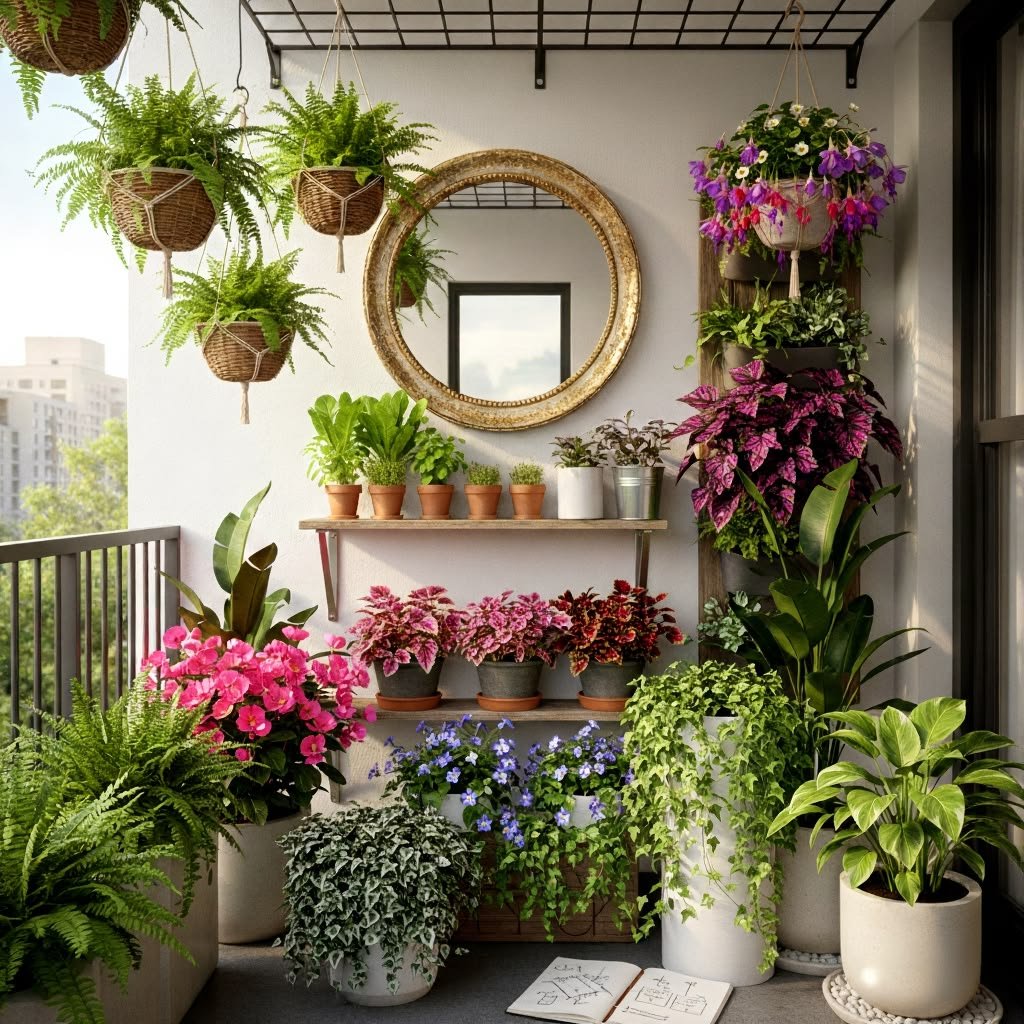
A simple wall-mounted shelf, a hanging planter, or even a repurposed shoe organizer on a balcony railing can triple your growing space without using a single extra square foot of floor space.
I started with a basic tiered bamboo shelf from a home goods store (cost me around Rs. 2,500 here in Karachi) and suddenly had space for 12 more pots. Herbs on top where they get morning sun. Bigger leafy plants on the lower shelves. It looked neat and organized instead of the chaotic pot pile I had before.
For more creative ideas on maximizing small spaces, these 5 Powerful Apartment Garden Guide Setup Ideas for Small Spaces are genuinely useful.
6. The “Touch Test” Beats Any Watering App
I downloaded three different plant care apps. Tried moisture meters. Watched countless videos about soil wetness indicators.
And then someone told me to just stick my finger an inch into the soil.
That’s it. If it’s dry an inch down, water it. If it’s still moist, leave it. No app. No gadget. No guessing.
I still use apps occasionally (Greg and Planta are decent ones), but the finger test is faster, always available, and weirdly satisfying.
7. Invest in Good Potting Mix — It’s Not the Same as Garden Soil
Early mistake I made: buying bags of regular soil from the hardware store thinking it was all the same. It’s not.
Regular garden soil compacts in pots, suffocates roots, and drains badly. Proper potting mix is lighter, has better aeration, and usually contains perlite or vermiculite to help drainage.
The difference in plant health is visible within weeks. My peppers grown in quality potting mix nearly doubled in size compared to ones I planted in basic soil the previous season.
Here in Pakistan, brands like Orgro or imported coco peat mixes work really well. If you can, mix in some compost and a small amount of perlite for even better results.
8. Batch Your Garden Tasks — Don’t Do a Little Every Day
This one was a game-changer for productivity specifically.
I used to do tiny garden tasks every day — a little watering here, a leaf trim there, some fertilizing whenever I thought of it. It felt like I was constantly doing garden work but nothing was getting done properly.
Then I switched to a batched system: one dedicated “garden day” per week (usually Sunday mornings) where I do everything at once.
- Water all plants
- Check for pests
- Trim dead leaves
- Fertilize (every two weeks)
- Repot anything that needs it
- Harvest herbs
The whole session takes about 45 minutes. My garden is healthier, and I spend less mental energy thinking about it the rest of the week.
Here’s roughly how I batch it:
| Task | Frequency | When |
|---|---|---|
| Watering | 2–3x per week | Morning (before sun is harsh) |
| Fertilizing | Every 2 weeks | Sunday batch session |
| Pest check | Weekly | Sunday batch session |
| Pruning/Trimming | Weekly | Sunday batch session |
| Deep clean pots | Monthly | First Sunday of month |
| Repotting | As needed | When roots escape drainage holes |
9. Morning Watering Is Not Just a Preference — It Matters
I used to water plants whenever I had time. Sometimes noon. Sometimes 9 PM. Didn’t think it made much difference.
It does.
Morning watering gives plants hydration before the day’s heat kicks in. It also allows any moisture on leaves to dry before nighttime, reducing fungal issues. Evening watering can leave plants sitting in moisture overnight, which encourages rot and mold — especially in humid climates like Karachi.
I shifted my watering to 7–8 AM and noticed fewer yellowing leaves and less stem rot within a month.
10. Grow What You Actually Eat or Use
This sounds obvious but it’s a trap many beginners fall into — including me.
I grew ornamental plants that looked gorgeous but served no practical purpose. Meanwhile I was buying herbs from the market every week when I could’ve been growing them at home.
Once I shifted my focus to growing things I genuinely use — mint for chai, coriander for cooking, green chilies, curry leaves — my garden suddenly felt purposeful. I was motivated to take care of it because it was saving me money and trips to the market.
Growing fast-growing herbs you can harvest quickly is one of the most satisfying ways to stay engaged with your garden long-term.
11. Keep a Simple Garden Journal (Even Voice Notes Work)
I started a little notebook where I jot down what I planted, when I planted it, what worked, and what didn’t. Nothing fancy — just a few lines after each garden session.
Six months in, it became one of the most useful tools I had. I could see patterns: which plants thrived in which season, which pests showed up in July every year, which fertilizer made my tomatoes go crazy.
If writing feels like too much, use voice notes on your phone. Speak a quick 30-second update after each garden session. Same information, less effort.
This kind of reflection is what separates beginner gardeners who keep repeating the same mistakes from those who actually improve year over year.
12. Don’t Try to Grow Everything at Once — Start Small, Scale Up
The most common mistake I see (and made myself) is trying to grow 15 different plants on the first attempt.
You get excited, buy everything, and then get overwhelmed managing them all. Some die. You feel like a failure. You quit.
Start with three plants max. Learn their rhythms. Understand how they respond to your specific space, your sunlight, your local climate. Once those are thriving, add three more.
Gardening productivity isn’t about doing more — it’s about doing less, but doing it well. A garden of five thriving plants is infinitely more satisfying than fifteen struggling ones.
Common Mistakes That Waste Your Time (and Money)
- Overwatering: Probably the number one killer of apartment plants. When in doubt, don’t water.
- Wrong pot size: Too big = root rot from excess moisture. Too small = stunted growth. Match pot size to plant size.
- Ignoring drainage holes: No drainage hole means waterlogged roots. Always, always ensure your pots drain.
- Buying plants that don’t suit your light conditions: A full-sun plant in a north-facing apartment will never be happy, no matter what you do.
- Neglecting pests until it’s too late: Check the underside of leaves weekly. Catching pests early is 10x easier than dealing with an infestation.
One Last Thing
If there’s any single piece of advice I’d give to apartment gardeners trying to be more productive, it’s this: simplify before you optimize.
You don’t need the fanciest soil, the most exotic plants, or a perfectly curated Instagram-worthy setup. You need a simple routine, the right plants for your space, and the patience to let things grow at their own pace.
The hacks above aren’t shortcuts — they’re just smarter ways to spend the time and energy you already have. Start with one or two and build from there.
Your plants will thank you. And honestly, so will your stress levels.
Also worth reading: If you’re looking to cut down even further on weekly effort, these 9 Smart Apartment Garden Guide Watering Tricks for Busy People are practical, tested, and genuinely save time.