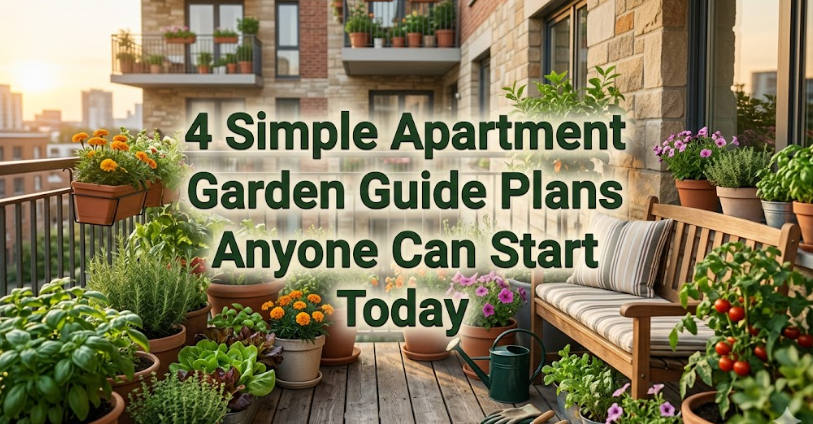
Meta Description: 4 Easy Apartment Garden Guide Plans Anyone Can Begin Right Now — convert your balcony or windowsill to a thriving green space with zero homemaking experience required.
4 Simplest Apartment Garden Guide Layouts Anyone Can Launch Right Now
You don’t need a backyard to grow your own food or flowers.
Millions live in apartments and believe gardening is not an option. But that’s simply not true. Whether you have a sunny balcony, a bright windowsill, or even just a corner with a grow light — you can start gardening today.
In this guide, we walk you through four functional apartment garden plans, suitable for beginners. Each plan is tailored to small spaces, tight budgets, and busy people who still want the joy of growing something real.
Let’s dig in.
Why Is Apartment Gardening More Popular Than Ever?
The share of people renting is at an all-time high. City populations are growing. And at the same time, more people are looking to eat fresh food, reduce stress, and reconnect with nature.
Apartment gardening fulfills all three of those needs.
Research indicates that looking after plants can reduce cortisol (that’s your stress hormone) levels. Even growing a little of your own food saves money on groceries. And plants in your home have been shown to improve air quality and mood.
The best part? You don’t have to be good at it. You don’t need expensive tools. You just need a plan — and that is what this article provides.
What to Make Sure of Before You Begin Your Apartment Garden
Here are three things to check for before choosing a plan. They’ll advise you on the best setup for your space.
What Kind of Light Does Your Space Receive?
Light is the single most important factor in apartment gardening.
Stroll around your apartment at different times of day. Pay attention to where the sun lands and for how long. Here’s a simple guide:
| Light Level | What It Means | Best For |
|---|---|---|
| Full Sun (6+ hours) | Direct sunlight for most of the day | Tomatoes, peppers, herbs |
| Partial Sun (3–6 hours) | Morning or afternoon light | Leafy greens, flowers |
| Low Light (under 3 hours) | Little to no direct sun | Pothos, ferns, snake plants |
Don’t panic if your apartment doesn’t receive a lot of natural sunlight. That’s what Plan #4 in this guide is all about.
How Much Space Do You Have?
Measure any balcony, windowsill, or unused floor space. Even a 2-foot-wide ledge can bear a fruitful herb garden. You can pack an incredibly full container garden into a 6×4 foot balcony.
You don’t need much. You have to make do with what you’ve got.
What’s Your Budget?
You can begin an apartment garden for about $20. Seeds are cheap. Reuse containers from your kitchen. The primary upfront investment is in soil.
As your plants grow (pun intended), you can spend on better pots, trellises, or grow lights. But you don’t require any of that on the first day.
Plan #1 — The Classic Windowsill Herb Garden
There is a reason that this apartment garden plan is by far the most popular one. It’s suitable for nearly any location, has a low cost of entry, and offers you something you can actively use in your cooking weekly.
What You’ll Grow
The following herbs are good for a windowsill setup:
- Basil — enjoys warmth and direct sun
- Mint — excellent for tea, grows abundantly
- Chives — easy and very forgiving
- Parsley — slow to bolt but long-lasting
- Cilantro — awesome in cooking; requires cool temps
Begin with two or three herbs. When first starting, don’t try to grow all five at once.
What You’ll Need
| Item | Estimated Cost |
|---|---|
| 3 small pots (4–6 inch) | $5–$10 |
| Potting mix (small bag) | $6–$8 |
| Seed packets or starter plants | $3–$6 each |
| A small tray or saucer | $2–$4 |
Total estimated cost: $20–$35
How to Set It Up
Step 1: If you can, select a south- or west-facing window. These see the most sun during the day.
Step 2: Add potting mix to your pots — not garden soil. Potting mix is relatively lighter and drains better.
Step 3: Plant your seeds or insert a starter plant. For seeds, plant to the depth as indicated on the seed packet.
Step 4: Water lightly. Herbs don’t like soggy roots. Stick your finger into the soil — if the top inch is dry, it’s time to water.
Step 5: Rotate your pots every few days to ensure that all sides of the plant receive even light.
Maintenance Tips
Harvest your herbs often. This actually encourages more growth. Snip from the top of basil. To propagate mint, cut the stem just above a leaf node. Don’t let herbs flower — when they bloom, flavor wanes.
Windowsill herb gardens are small, forgiving, and rewarding in just a few weeks — perfect for beginners.
Plan #2 — The Balcony Container Vegetable Garden
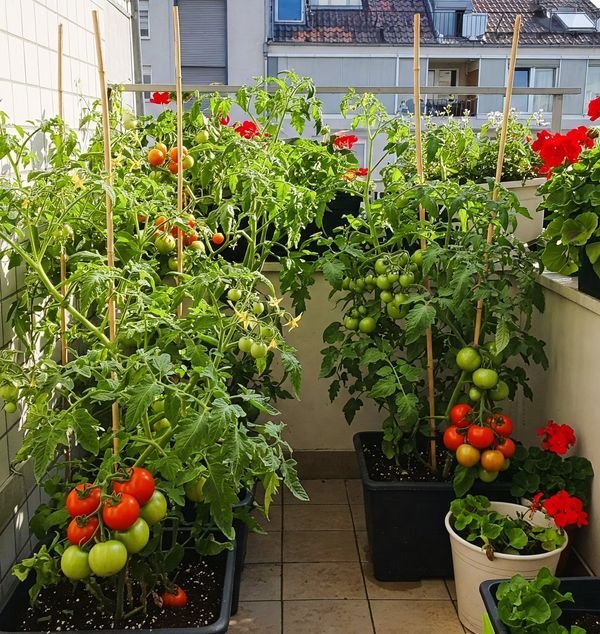
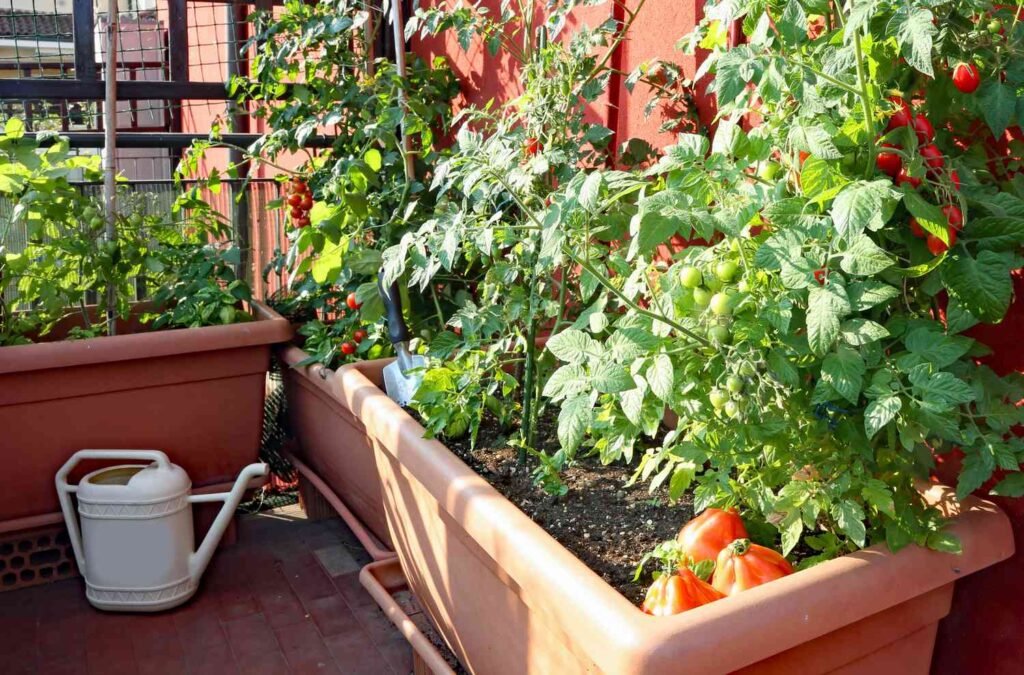
Got a balcony? Even a small one? Then you can grow real vegetables — tomatoes, peppers, lettuce, radishes, and more.
This plan features containers of all different sizes, strategically placed to gain as much growing area as possible.
Best Vegetables for Balcony Containers
Not all vegetables are suitable for a container. Choose compact varieties whenever possible. Seek out terms like “dwarf,” “patio,” or “bush” on seed packets.
| Vegetable | Minimum Pot Size | Sunlight Needed | Days to Harvest |
|---|---|---|---|
| Cherry Tomatoes | 5-gallon | Full sun | 60–70 days |
| Lettuce | 6-inch depth | Partial sun | 30–45 days |
| Radishes | 6-inch depth | Partial sun | 22–30 days |
| Bush Beans | 12-inch depth | Full sun | 50–60 days |
| Peppers | 3-gallon | Full sun | 70–90 days |
| Spinach | 6-inch depth | Partial sun | 40–50 days |
Setting Up Your Balcony Layout
Think vertically, not just horizontally.
The average person leaves pots sitting flat on the balcony floor and quickly runs out of room. Instead, use this layout strategy:
- Floor level: Large 5-gallon pots for tomatoes or peppers
- Railing hooks: Small pots for herbs or flowering plants
- Shelving unit: Stacked trays for lettuce and spinach
- Hanging baskets: Trailing plants, such as strawberries or herbs
A three-tier plant shelf from a hardware store costs around $25–$40 and can triple your growing space.
Watering on a Balcony
Balcony containers dry out more quickly than indoor pots. The wind and direct sun make moisture evaporate fast.
In warmer temperatures, check your plants daily. Water in the morning, not midday. Use a watering can with an extended spout to reach plants on shelves.
If you wish, top the soil with a layer of mulch (dried leaves or bark chips), which will help retain moisture.
One Pro Tip for Balcony Gardeners
Buy a bag of slow-release fertilizer pellets. Incorporate them into your soil at the time of planting. It nourishes your plants for up to three months with no additional work. It’s one of the simplest upgrades you can make to any container garden.
Plan #3 — The Vertical Wall Garden
Short on floor space? Go up.
Vertical gardens take advantage of wall space — the most underutilized real estate in many apartments. This plan works on balconies, in kitchens, or even in living rooms with access to the right amount of light.
The Power of Vertical Gardening in Apartments
When you stack them vertically, a single square foot of wall can support several plants. A 4-foot-tall vertical planter can contain 12 or more individual plant pockets — all occupying less than 2 square feet of floor space.
That’s a serious upgrade for a tiny apartment.
Types of Vertical Garden Setups
Pocket Planters: Fabric panels with individual pockets. You can hang them on a wall or balcony railing. Good for herbs, strawberries, and small flowers. Cost: $15–$40.
Pallet Gardens: A wooden pallet stood upright, lined with landscape fabric, and filled with soil. Can hold 20+ plants. Cost: Free, or $10–$20 for a used pallet.
Tower Planters: Stackable plastic towers designed for growing plants. Often include a self-watering reservoir. Ideal for lettuce, herbs, and strawberries. Cost: $30–$80.
DIY Bottle Garden: Cut plastic bottles in half, fill with soil, and hang them from a wooden dowel or curtain rod. Cost: Nearly free.
What to Plant in a Vertical Garden
Not all plants work vertically. Stick to lightweight, shallow-rooted plants:
- Lettuce varieties
- Spinach and kale
- Herbs (basil, cilantro, parsley)
- Strawberries
- Pansies and nasturtiums (edible flowers!)
- Succulents (for low-light walls)
Steer clear of heavy vegetables like squash, melons, or large tomatoes. The weight can pull pockets out of the wall.
Watering a Vertical Garden
Water runs downward. This is at once helpful and tricky.
Water the top pockets — it will filter down. But check the bottom pockets too, because sometimes water runs past them. A spray bottle works well for spot-watering individual pockets with no mess.
If you have a self-watering tower, just fill the reservoir every 3–5 days and let the system do its thing.
Plan #4 — The Indoor Grow Light Garden
No balcony. No sunny windows. No problem.
Grow lights have revolutionized indoor apartment gardening. Modern LED grow lights are energy-efficient, relatively inexpensive, and powerful enough to grow real food indoors — even in a dark room.
This plan is ideal for north-facing apartments, basement units, or those wishing to garden year-round no matter the external season.
How Grow Lights Work
Plants require light to undergo photosynthesis — that’s the process by which plants convert light into energy and food. Sunlight contains a full spectrum of colors and wavelengths, including red and blue, which are most used by plants.
Grow lights replicate those wavelengths. For most home gardeners, the best choice is a full-spectrum LED grow light. They’re efficient, don’t create a lot of heat, and last for years.
According to the University of Minnesota Extension, full-spectrum LED grow lights are among the most effective and energy-efficient options for growing herbs and vegetables indoors.
Setting Up Your Grow Light Garden
What you’ll need:
| Item | Cost Range |
|---|---|
| LED grow light (full spectrum) | $25–$80 |
| Adjustable stand or shelf | $20–$50 |
| Containers and trays | $10–$20 |
| Potting mix | $6–$10 |
| Seeds | $5–$15 |
| Timer plug | $8–$12 |
Total estimated cost: $75–$190
This is the biggest startup cost of any of the four plans, but it’s a one-time expense. You’re going to be replacing the seeds and the soil over and over — and those are inexpensive.
Light Schedule for Indoor Plants
Use a timer plug to automate your grow light. Plants require both light and darkness.
| Plant Type | Hours of Light Per Day |
|---|---|
| Leafy Greens (lettuce, spinach) | 12–14 hours |
| Herbs | 14–16 hours |
| Fruiting Plants (tomatoes, peppers) | 16–18 hours |
Set the timer and forget it. It’s that easy.
Best Plants for a Grow Light Setup
With a good LED light, almost anything can grow. But as a beginner, focus on fast-growing, easy plants:
- Microgreens (harvest in 7–14 days)
- Baby lettuce mix
- Basil
- Spinach
- Radishes
- Kale
Microgreens are particularly well-suited for beginners. You can grow a tray of sunflower, radish, or pea microgreens in under two weeks. They are nutritious, delicious, and so easy to grow under any light setup.
Choosing the Right Soil for Apartment Gardens
Soil is more important than most beginners think.
Never use regular outdoor garden soil inside containers. It’s too heavy, compacts easily, and doesn’t drain well. This causes root rot and unhappy plants.
Use potting mix — it’s made for containers. It’s lighter, fluffier, and drains well.
Here’s a quick comparison:
| Soil Type | Good For | Bad For |
|---|---|---|
| Potting Mix | All container plants | Nothing (it’s the go-to) |
| Garden Soil | In-ground beds | Containers (too heavy) |
| Seed Starting Mix | Germinating seeds | Mature plants (too light) |
| Cactus Mix | Succulents, herbs | Water-loving plants |
For herbs, blend 70% potting mix with 30% perlite for better drainage. For leafy greens, plain potting mix does the trick.
Things Beginners Often Get Wrong (And How to Avoid Them)
Even a simple apartment garden can go wrong if you fall into one of these common pitfalls. Here’s what to watch for:
Overwatering — The #1 killer of apartment plants. More plants die from overwatering than underwatering. Always check the soil before watering.
Incorrect pot size — A pot that’s too small retards growth. A pot that’s too big holds too much moisture. Match pot size to the plant.
Skipping drainage holes — Every container needs holes at the bottom. Without drainage, roots sit in water and rot.
Too little light — When plants appear tall and leggy, they are reaching for light. Move them closer to the window or install a grow light.
Planting too many things at once — Start with 2–3 plants. Find out what works in your space. Then expand.
A Month-by-Month Beginner Planting Timeline
Not sure when to start what? Here’s a general indoor apartment garden calendar:
| Month | What to Start |
|---|---|
| January–February | Microgreens, herbs under grow lights |
| March–April | Tomatoes, peppers (indoors), lettuce |
| May–June | Move plants to balcony, plant beans |
| July–August | Succession plant lettuce, grow basil |
| September–October | Kale, spinach, herbs (cool season comeback) |
| November–December | Microgreens, herbs under grow lights |
This timeline is appropriate for the majority of climates. If you’re growing outdoors on a balcony, modify based on your local weather.
FAQs About Apartment Gardening
Can I actually grow food in a small apartment? Yes, absolutely. Even one south-facing window can yield a productive herb garden. With a grow light, you can grow food in any apartment regardless of natural light.
How can I prevent pests from attacking indoor plants? Inspect your plants for pests once a week — yellowing leaves, tiny bugs, or sticky residue. A neem oil spray is a safe, natural option. The best prevention is keeping your plants healthy and not overwatered.
Do I need special pots for apartment gardening? Not necessarily. Any container with drainage holes will do. Reused yogurt containers, tin cans, or wooden crates — anything will do. If they don’t have drainage holes, just add your own.
How often do I need to water my apartment plants? It varies by plant and season. As a general rule, check the top inch of soil. If it’s dry, water. If it’s still moist, wait. Most herbs and vegetables need watering every 2–3 days.
Is apartment gardening expensive? You can pay as little or be as involved as you like. A basic windowsill herb garden costs $20–$35 to begin. A complete grow light setup may cost $150. You decide your budget.
What if I travel a lot? Can I still have a garden? Yes. Self-watering pots are a miracle if you travel often. You could also ask a neighbor to check in. If the soil is moist when you go, most houseplants can manage 1–2 weeks without attention.
Does having an apartment garden bring insects into the house? Sometimes, but it’s manageable. Over-watered soil tends to attract fungus gnats. Let the soil dry out between waterings and use sticky traps if needed. In general, indoor gardening presents far fewer pest problems than outdoor gardening.
Bringing It All Together
You’ve just leafed through four full apartment garden plans:
- The Windowsill Herb Garden — for beginners with a sunny window
- The Balcony Container Garden — if you have some outdoor space
- The Vertical Wall Garden — more plants, less space
- The Grow Light Garden — for homes with little or no natural light
Each one is doable. Each one is affordable. And they can all be started this week — or today, even.
The secret to a successful apartment garden is not a green thumb or farming experience. It’s simply starting. Choose one plan that suits your space and your budget. Purchase a few seeds or starter plants. Set up your containers. And give it a try.
You’ll make mistakes. Some plants will die. And that’s totally normal and part of the process. What you’ll get in return — fresh herbs in your cooking, the pleasure of nurturing something, and a little piece of green in your home — is well worth it.
For more tips, plans, and inspiration, visit Apartment Garden Guide — your go-to resource for small-space gardening ideas.
Your apartment garden journey begins with one pot, one plant, and one step in the right direction. Take that step today.