Lush, Healthy Plants in Small Spaces – Apartment Garden Guide
Learn the 9 tried-and-true care methods that will work for balconies, window ledges, and even small indoor arrangements.
You don’t need a backyard to grow healthy, beautiful plants. A small balcony, a sunny windowsill, or even a corner of your living room can transform into a green paradise — if you know what to do.
But apartment gardening challenges are different. Limited space and low light, along with dry indoor air and small containers, can make it challenging to keep plants healthy. With the best intentions, many beginners purchase plants only to see them slowly droop and die.
This is where this apartment garden guide comes in.
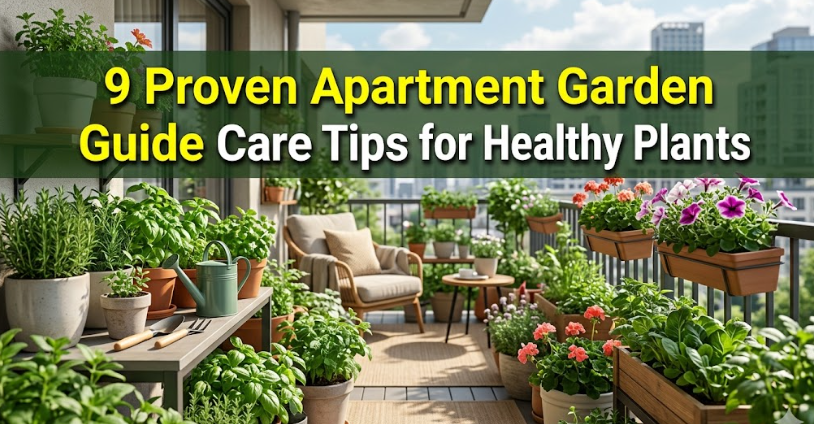
Whether you’re cultivating herbs in the kitchen, flowers on the balcony, or leafy greens on your windowsill, these 9 tried-and-true care strategies will make sure your plants not only survive — but actually thrive. Every bit of advice is practical, easy to implement, and based on actual gardening experience.
Let’s dig in.
1. Choose Your Plants by Space and Light
What do new apartment gardeners get wrong? Selecting plants that aren’t suited for their environment.
Before you purchase anything, step around your apartment. Do you have access to natural light? Does your balcony have sun or is it shaded? Do you have hot, dry air from heating systems in winter?
Every plant choice you make will be guided by your answers.
Best Plants for Low-Light Conditions
Not all apartments receive hours and hours of direct sunlight. If your space has little sun or is north-facing, don’t despair. Some plants actually thrive that way.
Great low-light options include:
- Pothos — almost indestructible
- Snake plant (Sansevieria) — thrives on neglect
- ZZ plant — prefers dry, low-light conditions
- Peace lily — grows well in shade and even flowers indoors
- Cast iron plant — lives up to its tough name
Plants for Bright, Sunny Spots
If your apartment receives direct sunlight 4–6+ hours during the day, you’re in luck! Sunny spots open up a broader world of plant options.
Best plants for sunny windows and balconies:
- Herbs — basil, rosemary, and thyme
- Succulents and cacti
- Cherry tomatoes
- Peppers
- Geraniums and marigolds
| Light Level | Hours of Sun | Best Plants |
|---|---|---|
| Low light | 0–2 hours | Pothos, snake plant, ZZ plant |
| Medium light | 2–4 hours | Spider plant, peace lily, ferns |
| Bright indirect | 4–6 hours | Monsteras, philodendrons, herbs |
| Full sun | 6+ hours | Tomatoes, succulents, cacti |
Finding the right plant for the right spot is step one of any solid apartment garden guide — and it makes everything else easier.
2. Pick Pots That Will Actually Boost Your Plants’ Growth
The pot you select is more important than most people realize.
Too small, and roots become crowded. Too big, and the soil retains too much water, leading to root rot. Get the material wrong, and your plant cooks or dries out too quickly.
Size Rules to Follow
General rule of thumb: the container should be about one to two inches wider in diameter than the plant’s root ball. When you repot, only go up one size — not five.
Overpotting can drown a plant’s roots in overly wet soil before they’ve had a chance to spread.
Material Matters
| Container Type | Benefits | Drawbacks |
|---|---|---|
| Terracotta | Breathable, inexpensive, traditional appearance | Dries out quickly, may crack in frost |
| Plastic | Lightweight, moisture-retentive | Less breathable, may look cheap |
| Ceramic/glazed | Beautiful, good moisture retention | Heavy and more expensive |
| Fabric grow bags | Great drainage and root health | Dries faster in summer, less durable |
| Self-watering pots | Good for busy people | Higher up-front cost |
Drainage Is Non-Negotiable
All containers must have drainage holes at the bottom. Without them, water gathers at the roots, oxygen is cut off, and your plant gradually chokes.
If you love a decorative pot without a drainage hole, use it as a cachepot — sit the smaller draining container inside and pour out any excess water from the outer pot after watering.
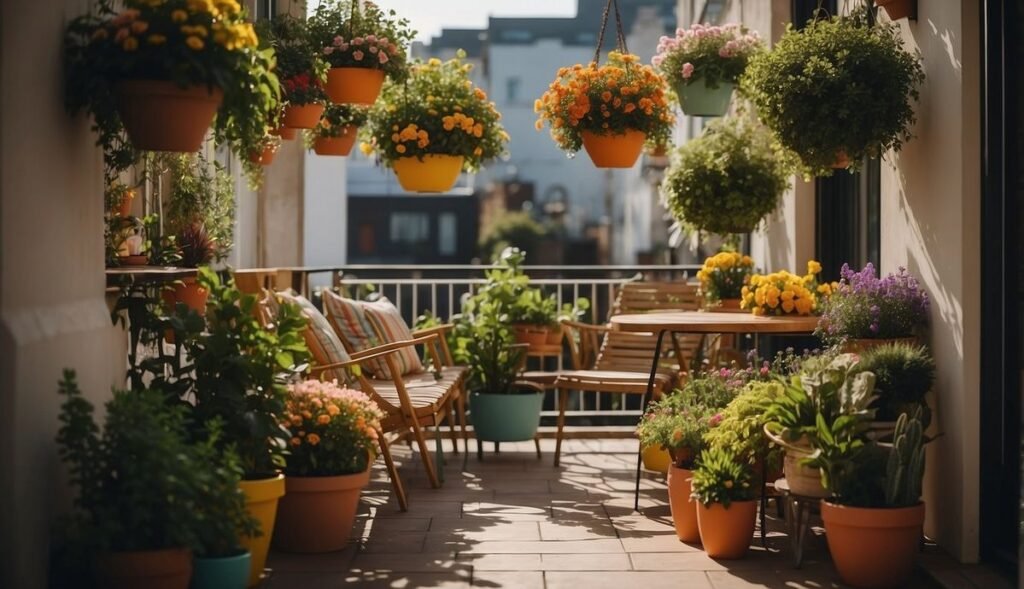
3. Mix Your Soil Correctly from the Beginning
Do not use outdoor garden soil for containers. It compacts over time, clogs drainage, and can bring pests and diseases into your home.
Instead, use a good potting mix.
The Best Soil Options for Your Apartment Plants
An all-purpose potting mix works for most houseplants. It’s light, well-draining, and rich in the nutrients young plants need.
But some plants require something more specific:
- Succulents and cacti — use a sandy, fast-draining cactus mix
- Orchids — use specialized bark-based mixes, not standard soil
- Herbs and vegetables — thrive in a blend enriched with compost
- Ferns and tropical plants — love moisture-retaining mixes with peat or coco coir
DIY Soil Boost
Want to improve any store-bought mix? Try this simple recipe:
- 2 parts quality potting mix
- 1 part perlite (helps with drainage and aeration)
- 1 part compost (adds nutrients and beneficial microbes)
This mix provides most plants with the drainage, airflow, and nourishment they need to thrive in containers.
It also helps to refresh your soil every 1–2 years, as nutrients in potting mixes break down over time.
4. Water Smarter, Not More
Overwatering kills more apartment plants than anything else. It’s the number one mistake — and it’s easy to see why. We water because we care. But too much of a good thing turns bad fast.
The Golden Rule of Watering
Water only when the top inch or so of soil feels dry.
Don’t water on a schedule. Water according to what the plant actually needs. Season, humidity, pot size, and light levels all affect how quickly soil dries.
How to Check Soil Moisture
- Finger test — stick your finger 1–2 inches into the soil. Dry? Time to water. Still moist? Wait.
- Lift the pot — a lightweight pot usually means the soil is dry. A heavy pot is still holding water.
- Moisture meter — an inexpensive tool that removes all the guesswork. Great for beginners.
Signs You’re Overwatering vs. Underwatering
| Symptom | Overwatered | Underwatered |
|---|---|---|
| Leaves | Yellow, mushy, drooping | Brown, crispy, curling |
| Soil | Constantly wet, possible smell | Bone dry, pulling away from edges |
| Roots | Brown and slimy | Dry and brittle |
| Overall appearance | Wilting despite moist soil | Wilting with lightweight pot |
If you’re unsure, wait another day before watering. Most plants tolerate a little drought far better than waterlogged roots.
5. Fertilize the Right Way
Soil nutrients run out — especially in pots, where there’s a finite amount of potting mix and no natural ecosystem to replenish it.
That’s why fertilizing is an essential part of any apartment garden guide.
When to Fertilize
Spring and summer are when plants actively grow and need the most nutrients. Most houseplants slow down or go dormant in fall and winter — fertilizing during this period can do more harm than good.
- Fertilize: March to September
- Hold off: October to February
Types of Fertilizers to Know
- Liquid fertilizers — fast-acting, easy to control, applied during watering
- Slow-release granules — mixed into soil, feed plants for months
- Worm castings — mild, organic, ideal for sensitive plants
- Fish emulsion — powerful and organic, but has a strong smell
NPK: What Those Numbers Mean
Every fertilizer label shows three numbers, such as 10-10-10 or 5-3-3. These represent:
- N (Nitrogen) — encourages leafy, green growth
- P (Phosphorus) — promotes root development and flowering
- K (Potassium) — supports plant hardiness and disease resistance
For leafy plants and herbs, aim higher in nitrogen. For flowering or fruiting plants, choose a balanced or slightly higher phosphorus ratio.
Don’t over-fertilize. More isn’t better. Too much fertilizer burns roots and causes brown leaf tips. Follow label instructions, and when in doubt, use half the recommended amount.
6. Get Lighting Right — Even Without a Great Window
Light is plant food. Without enough of it, plants can’t photosynthesize — they become leggy, pale, and weak.
In apartments, light is often the key limiting factor. But there are ways around it.
Maximize Natural Light First
- Clean your windows; dirty glass blocks more light than you’d expect
- Position plants as close to windows as possible
- Use light-colored walls and mirrors to reflect and distribute light further into the room
- Rotate your plants every week or two so all sides receive equal exposure
When to Use Grow Lights
If your apartment receives less than 2–3 hours of natural light daily, grow lights are a game-changer.
Modern LED grow lights are energy-efficient and effective — they mimic the full spectrum of sunlight and keep plants healthy through dark winters or in windowless rooms.
Basic grow light guidelines:
| Plant Type | Hours of Light Needed | Intensity |
|---|---|---|
| Succulents/cacti | 12–16 hours | High |
| Herbs and vegetables | 14–16 hours | Medium-high |
| Tropical houseplants | 10–12 hours | Medium |
| Low-light foliage plants | 8–10 hours | Low-medium |
Use a timer to automate your grow lights. Consistency matters — plants thrive on a regular light cycle.
7. Monitor Temperature and Humidity
Indoor apartments are typically drier than plants prefer. Winter heating systems and summer air conditioning both strip moisture from the air — and this is especially hard on tropical plants.
Signs of Low Humidity
- Brown, crispy leaf tips
- Leaves curling inward
- Flower buds dropping before opening
- Soil drying out very quickly
Simple Ways to Boost Humidity
- Group plants together — plants release moisture through their leaves (transpiration), and grouping them creates a shared humid microclimate
- Pebble tray method — fill a shallow tray with small pebbles, add water just below the top of the pebbles, and rest your pot on top. As the water evaporates, it humidifies the surrounding air
- Misting — lightly mist leaves with water a few times a week; works best in warm weather
- Humidifier — the most effective option. Even a small humidifier placed near your plants makes a significant difference, especially for tropicals like ferns, calatheas, and orchids
Temperature Tips
Most common houseplants prefer temperatures around 60–80°F (15–27°C). Keep them away from:
- Drafts from cold windows in winter
- Heat vents and radiators
- Air conditioning units blowing directly on them
Sudden temperature shifts also stress plants and slow their growth.
8. Get Ahead of Pests Before They Take Over
Even clean, well-kept indoor plants can attract pests. They hitch rides on new plants, potting soil, or even through open windows.
Catching them early makes all the difference.
Most Common Apartment Plant Pests
- Fungus gnats — small flies hovering over soil. Their larvae feed on roots. Usually a sign of overwatering.
- Spider mites — nearly invisible but leave silky webbing on leaves. Thrive in dry conditions.
- Mealybugs — white, fluffy clusters in leaf joints. Slowly suck plant sap.
- Scale insects — brown, waxy bumps along stems. Hard to spot early; damage builds up quietly.
- Aphids — tiny green or black bugs on new growth. Multiply fast.
How to Eliminate and Prevent Pests
| Pest | Signs | Organic Treatment |
|---|---|---|
| Fungus gnats | Small flies, stunted growth | Let soil dry thoroughly; use sticky traps |
| Spider mites | Fine webbing; yellow stippling | Neem oil spray; increase humidity |
| Mealybugs | White fluff; sticky residue | Rubbing alcohol on a cotton swab |
| Scale | Brown bumps; sticky leaves | Neem oil or horticultural soap |
| Aphids | Sticky residue; curled new growth | Water spray; insecticidal soap |
Prevention tips:
- Always inspect new plants before bringing them home
- Avoid overwatering (the number one cause of fungus gnats)
- Wipe leaves with a damp cloth monthly to remove dust and check for early pest signs
- Quarantine new plants for 1–2 weeks before placing them near others
9. Prune, Clean, and Repot for Long-Term Plant Health
Good plant care goes beyond watering and feeding. The maintenance most beginners overlook is what separates surviving plants from truly thriving ones.
Why Pruning Matters
Pruning encourages new growth. By removing dead, damaged, or leggy stems, you direct the plant’s energy toward healthy new development.
For herbs, regular harvesting (which is a form of pruning) promotes bushiness and productivity. For flowering plants, deadheading — removing spent blooms — encourages continued flowering.
Basic pruning tips:
- Always use clean, sharp scissors or pruning shears
- Cut just above a leaf node or joint
- Never remove more than 30% of the plant at one time
- Prune during active growth, ideally in spring or early summer
Why Cleaning Leaves Matters More Than You Think
Dust accumulates on leaves and reduces light absorption. Wiping leaves once a month with a damp cloth keeps them clean for better photosynthesis — and lets you spot pests early.
For large, waxy leaves (like on monsteras or rubber plants), a little diluted neem oil on a cloth adds a healthy sheen and helps repel insects.
Knowing When to Repot
| Sign | What It Means |
|---|---|
| Roots growing out of drainage holes | Plant needs more space |
| Soil dries out within a day of watering | Root-bound; pot too small |
| Plant looks top-heavy or tips over | Time to size up |
| Visible roots circling the surface | Repotting overdue |
Repot in spring during the active growth phase. Go up just one pot size, and give roots a fresh start with new potting mix.
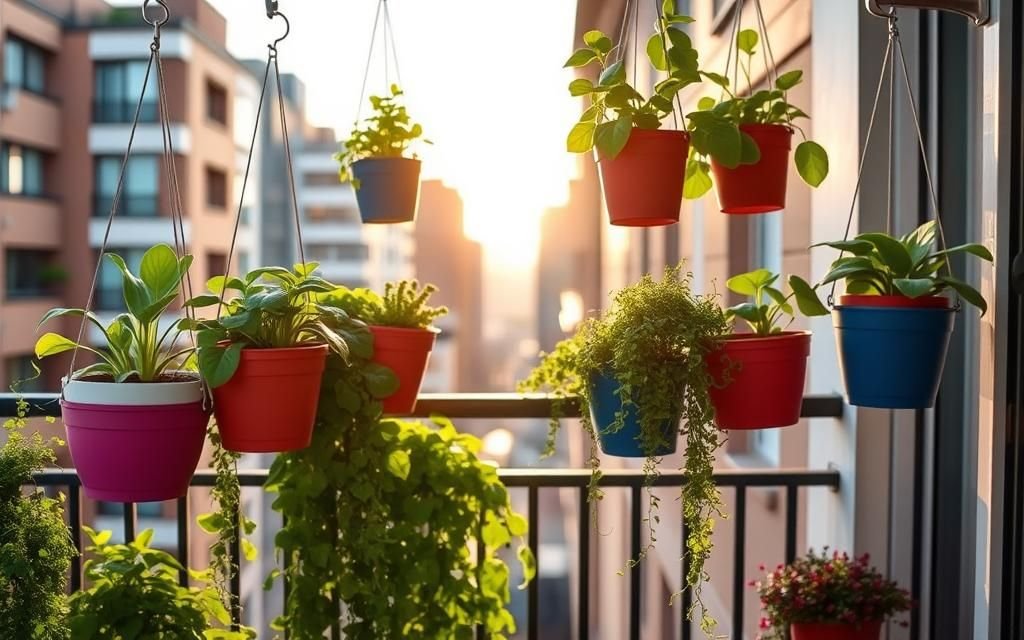
Quick-Reference Summary Chart
| Tip | Key Action | Common Mistake to Avoid |
|---|---|---|
| 1. Right Plants | Match plants to your light level | Buying plants before checking light |
| 2. Containers | Correct size + drainage holes | Pots without drainage |
| 3. Soil | Quality potting mix + perlite | Using outdoor garden soil |
| 4. Watering | Water only when top inch is dry | Watering on a fixed schedule |
| 5. Fertilizing | Feed in spring–summer only | Fertilizing in winter |
| 6. Lighting | Use grow lights in low-light rooms | Ignoring inadequate light |
| 7. Humidity | Group plants; use pebble trays | Placing plants near heat vents |
| 8. Pest Control | Inspect regularly; treat early | Ignoring early warning signs |
| 9. Pruning/Repotting | Prune in spring; repot when root-bound | Skipping pruning or soil refresh |
FAQs: Apartment Garden Guide
Q1: Which plants are best for beginners in an apartment? Pothos, snake plants, spider plants, and ZZ plants are excellent starter choices. They tolerate low light, uneven watering, and dry air — making them practically foolproof for new plant parents.
Q2: Can I grow vegetables in an apartment without a balcony? Yes! Herbs, lettuce, spinach, radishes, and microgreens all thrive indoors near a sunny window or under grow lights. Cherry tomatoes and peppers can also do well on a bright windowsill.
Q3: How do I know if my apartment has enough light for plants? Sit in the room at the sunniest time of day. If the light is bright enough to read comfortably without turning on a lamp, you have medium light. If the room still feels dim, stick to low-light species or invest in a grow light.
Q4: How often should I fertilize my apartment plants? During the growing season (spring and summer), feeding every 2–4 weeks with a liquid fertilizer is appropriate for most plants. In fall and winter, stop fertilizing or reduce to no more than every 6–8 weeks.
Q5: Why are my apartment plant’s leaves turning yellow? Yellow leaves most commonly indicate overwatering or drainage issues. Other causes include nutrient deficiency, insufficient light, or natural aging of lower leaves. Start by checking your soil moisture and drainage.
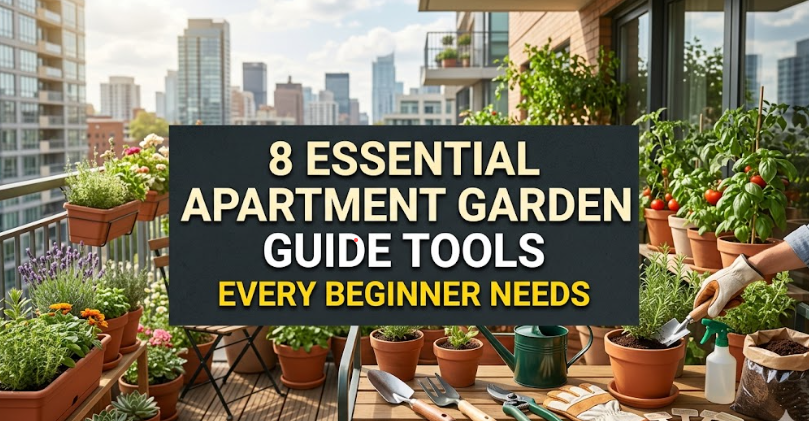
Q6: Do I need special tools to start apartment gardening? Not many. You’ll need a good potting mix, containers with drainage holes, a watering can with a narrow spout, and optionally a moisture meter. As your collection grows, clean pruning scissors and a small spray bottle become useful additions.
Q7: How do I prevent pests in an apartment garden? Quarantine new plants for 1–2 weeks before placing them near others. Avoid overwatering. Wipe leaves monthly. Check the undersides of leaves regularly. A preventative neem oil spray applied once a month is effective against most common indoor pests.
Bringing It All Together
Growing plants in an apartment isn’t just possible — it’s genuinely rewarding. There’s something deeply satisfying about walking into your home and being greeted by green, living things you’ve nurtured yourself.
This guide breaks apartment gardening down into manageable steps. You don’t have to get all nine things right from day one. Start with the basics — choosing the right plants, using suitable containers, learning how to water properly — and build from there.
With every small win, your confidence grows. And before long, you’ll be surrounded by lush greenery in a space others thought was too small, too dark, or simply not suitable for a garden.
The truth is, your apartment has more potential than you think. You just have to know how to unlock it.
Start with one plant. Then two. Then ten. Your green space is waiting.